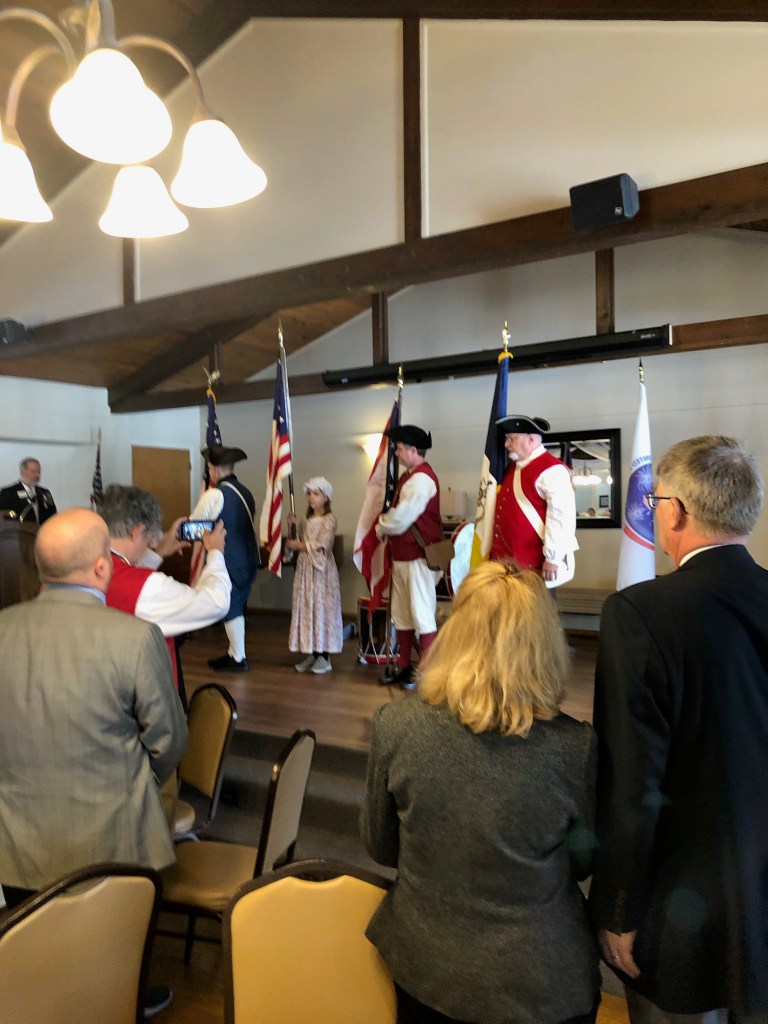
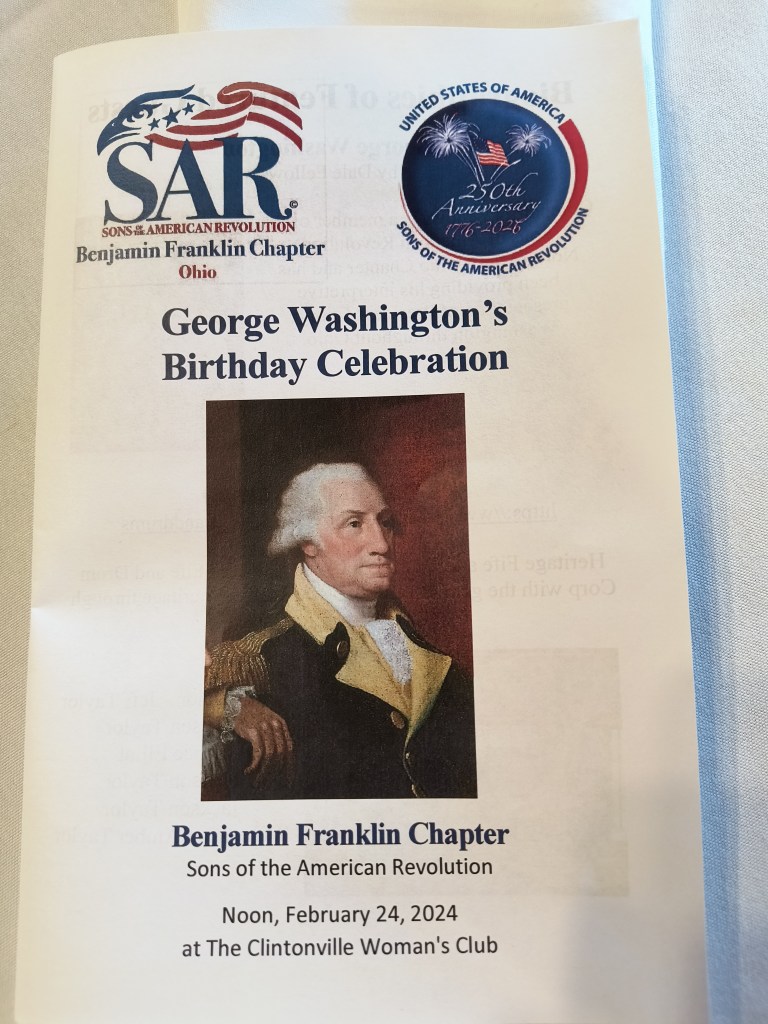
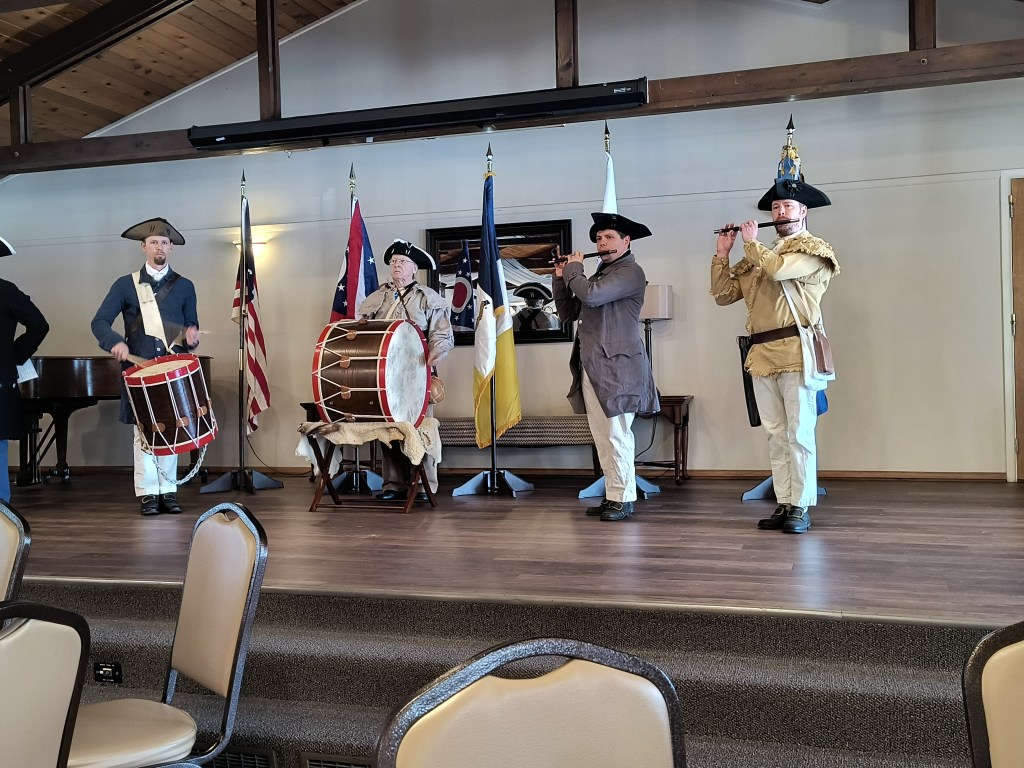
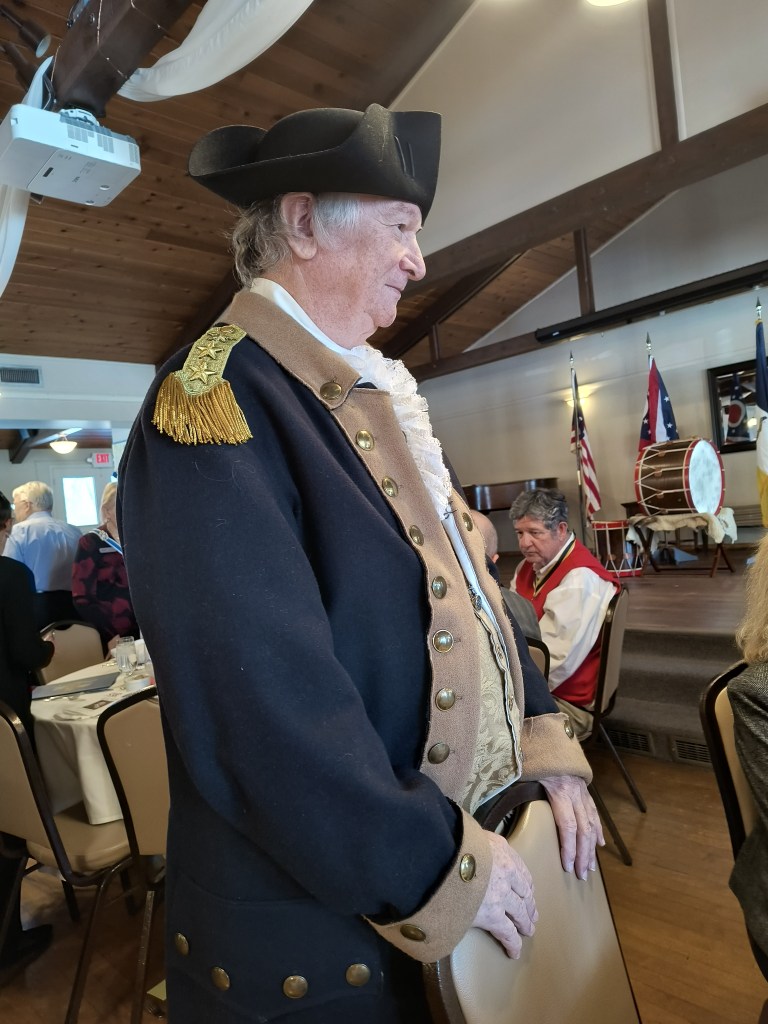
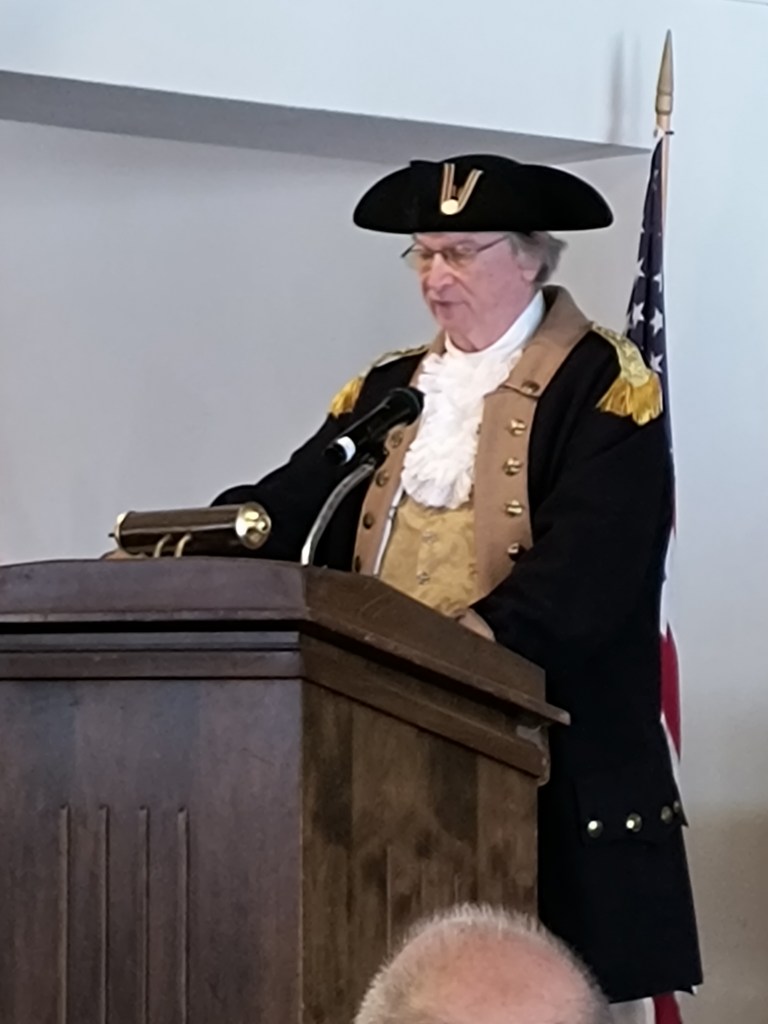
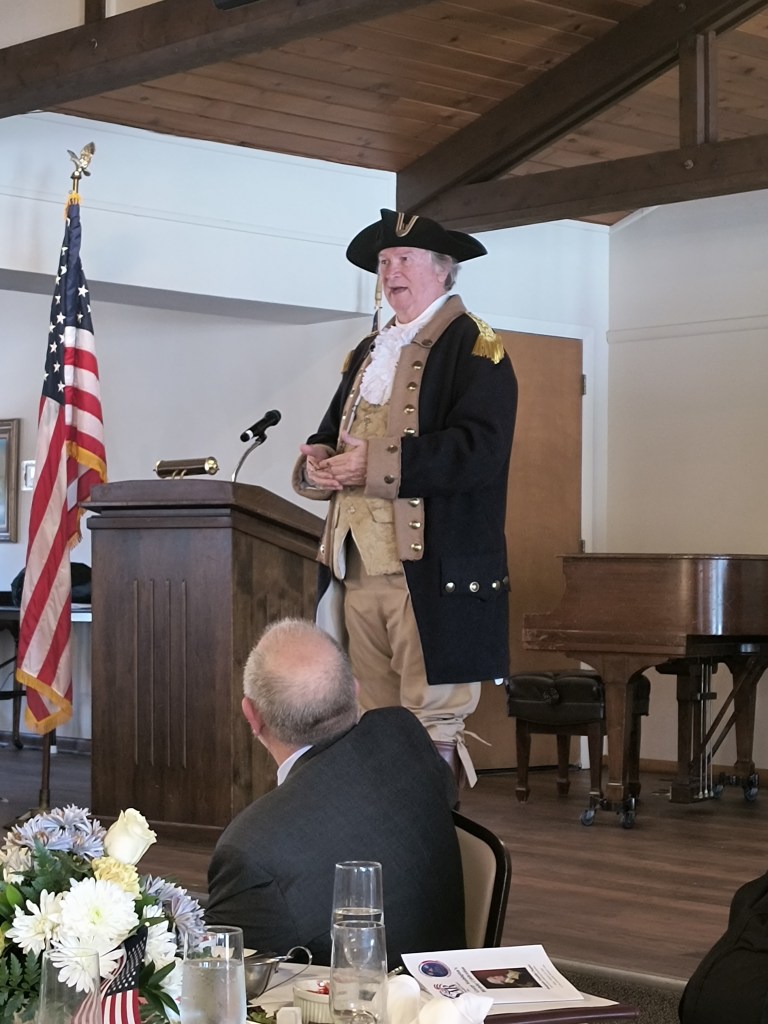
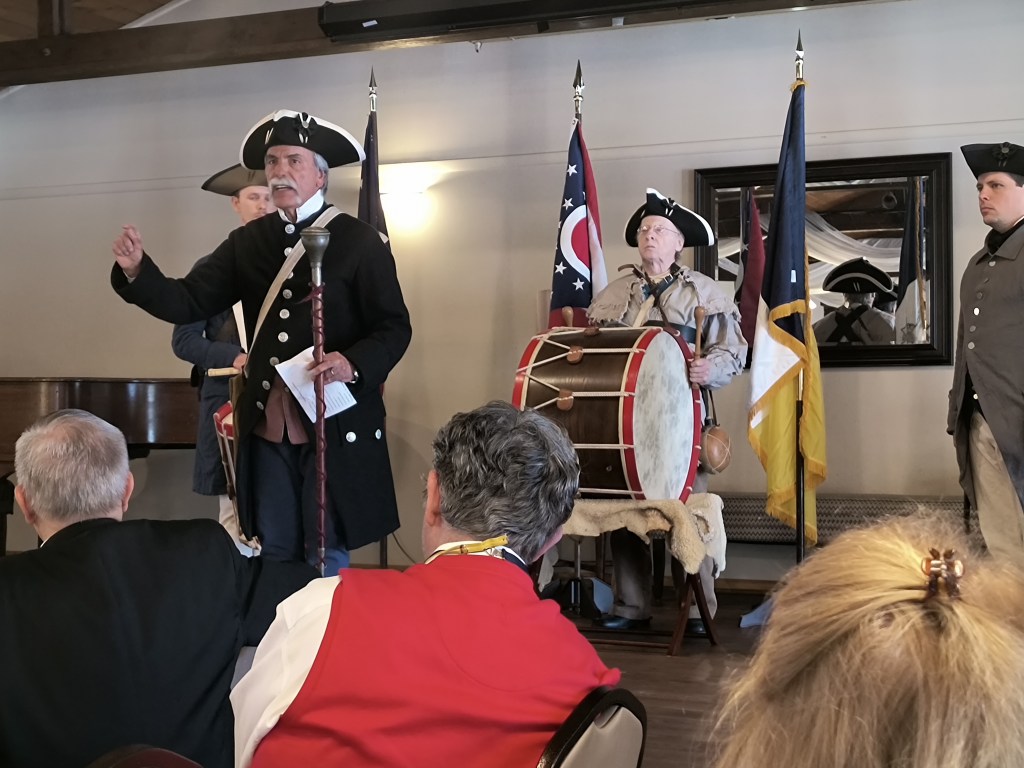
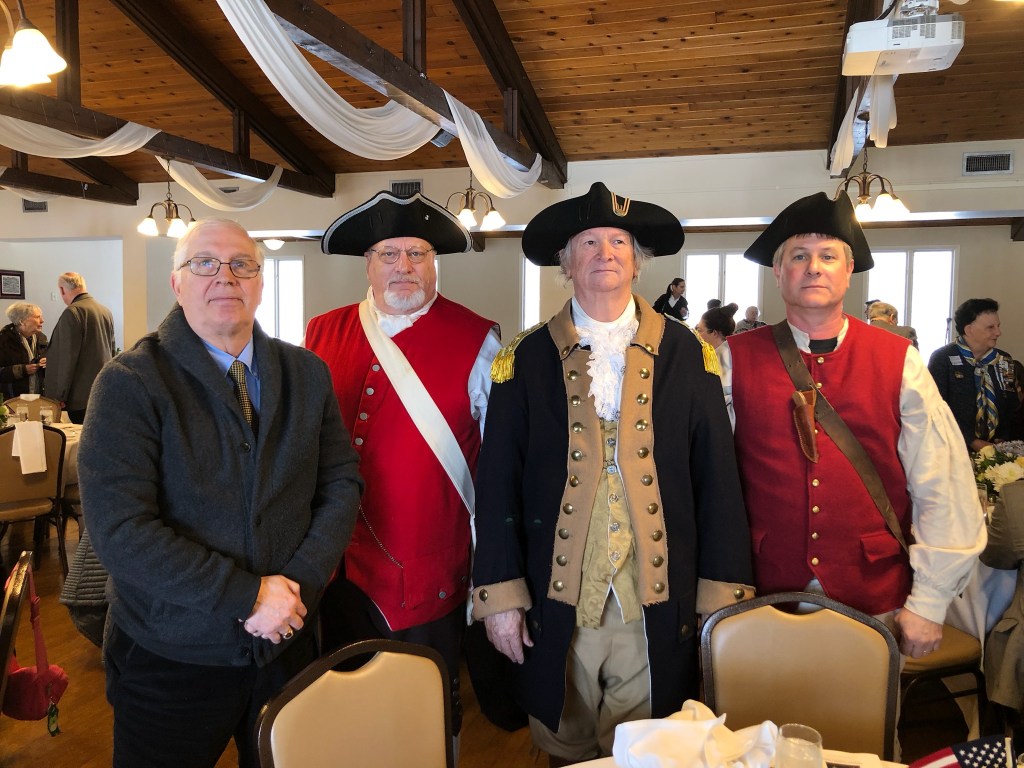
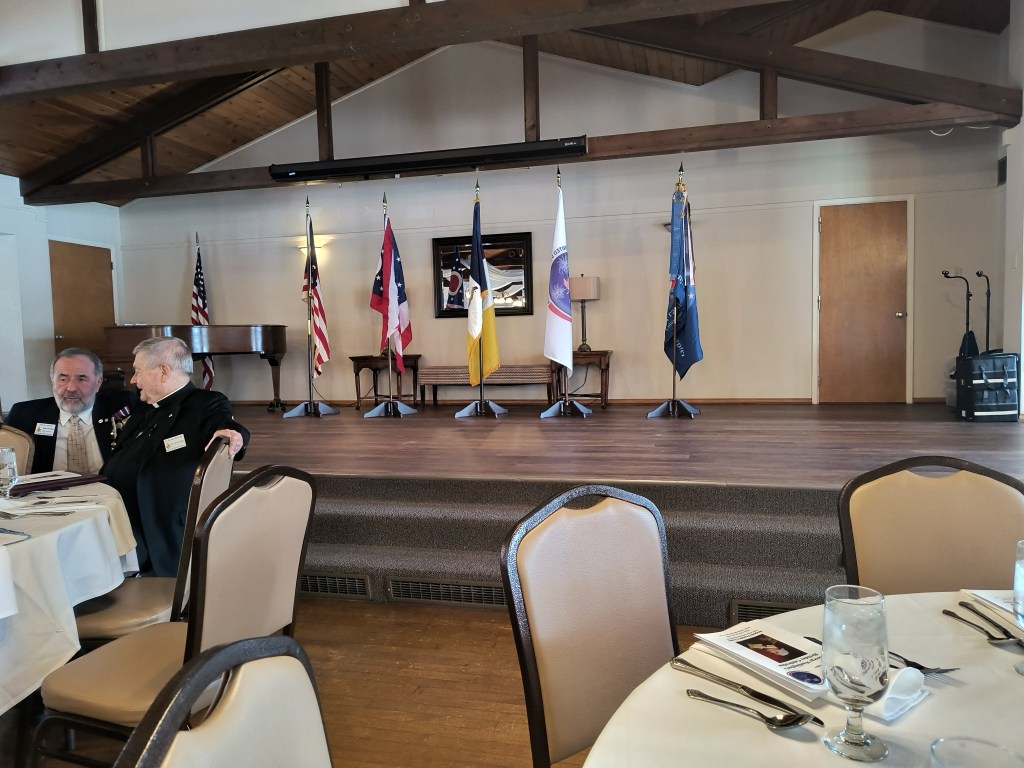
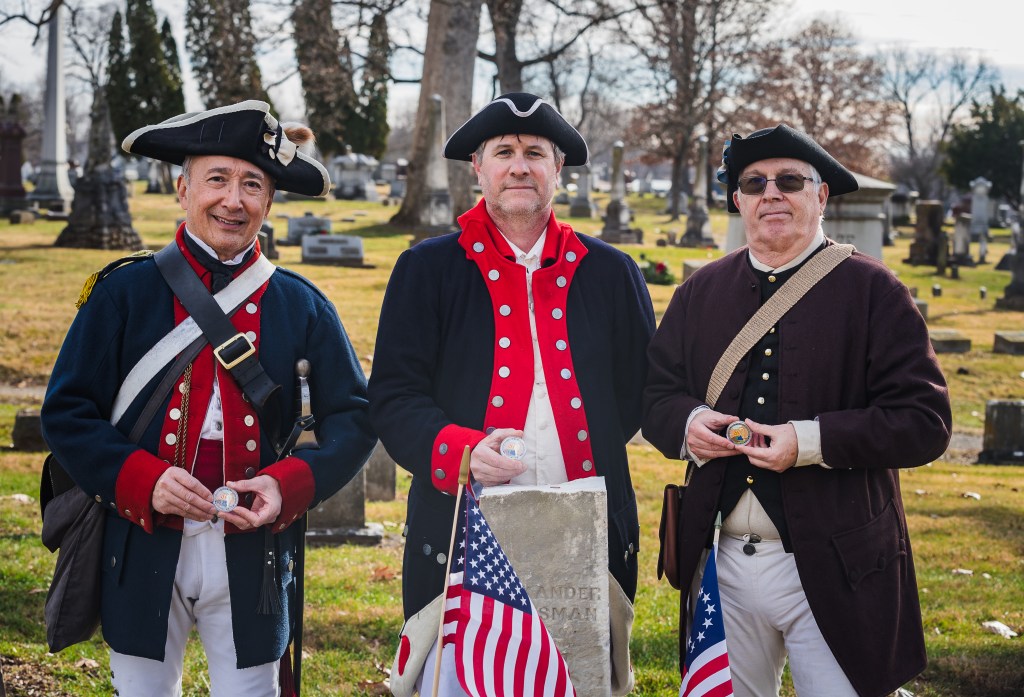
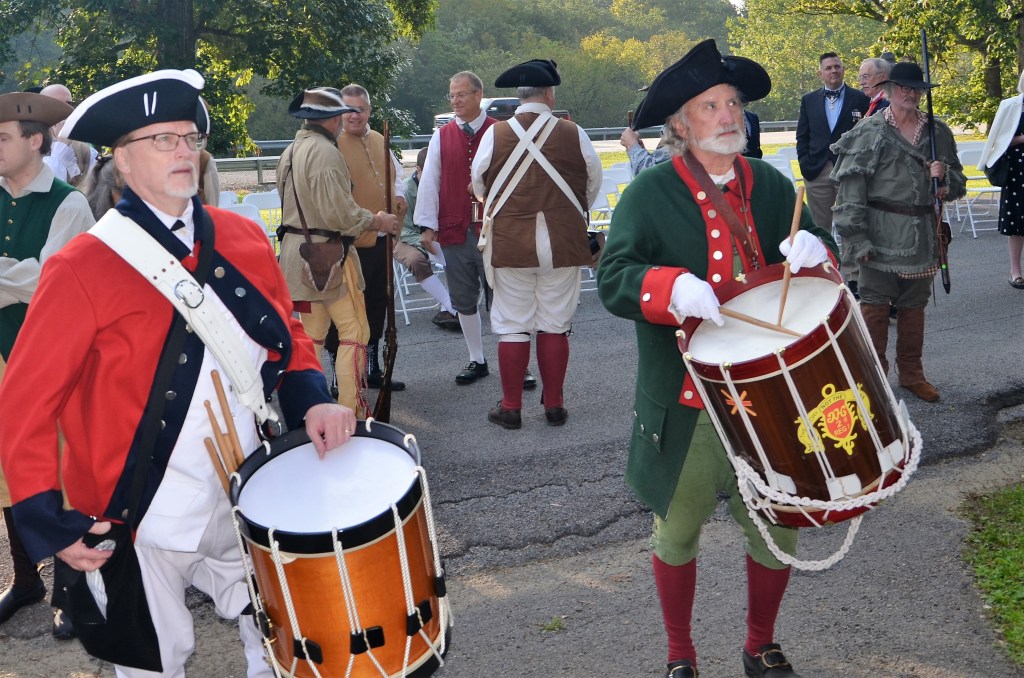
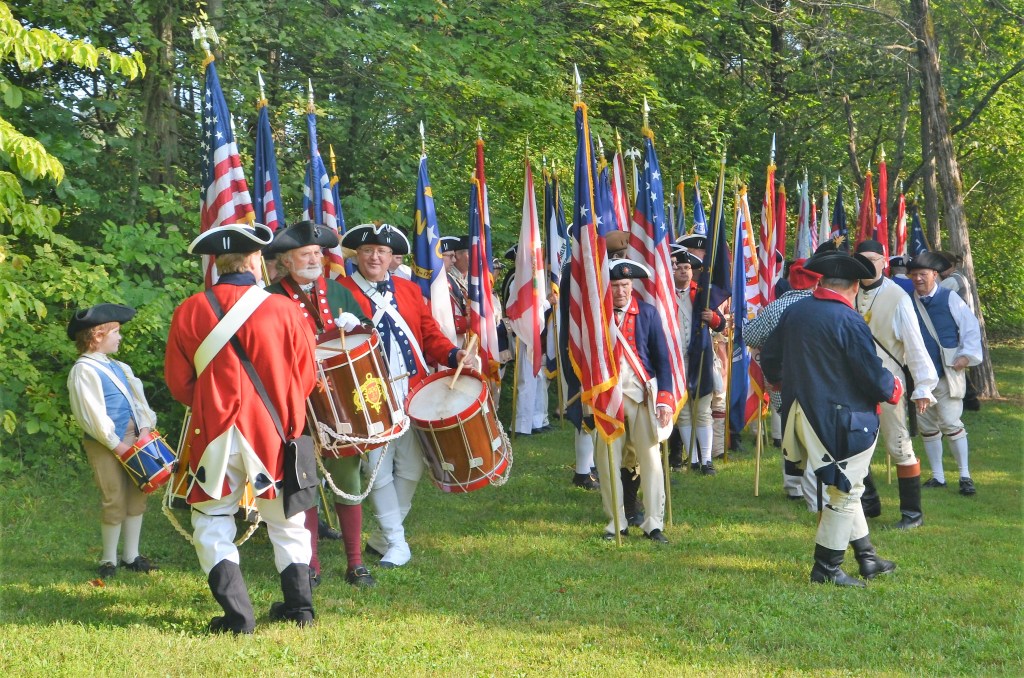
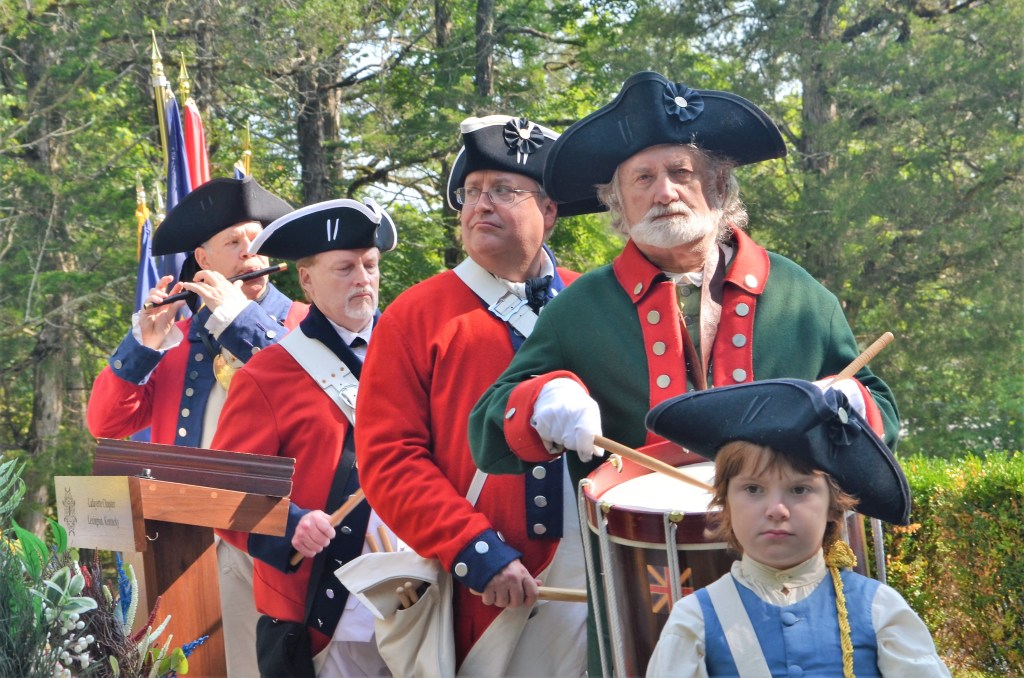
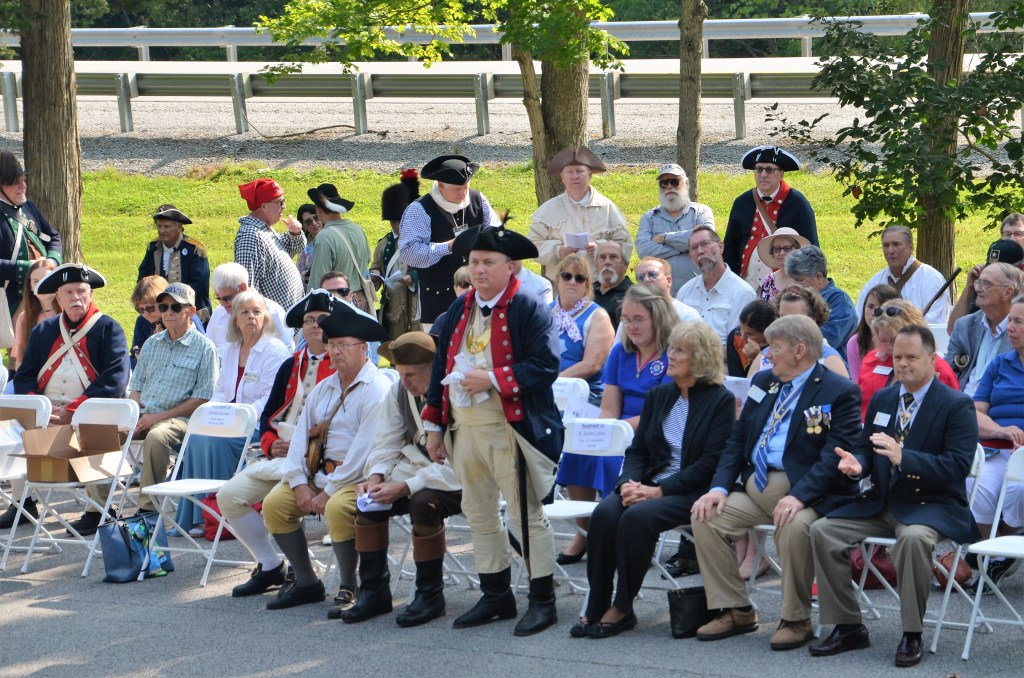
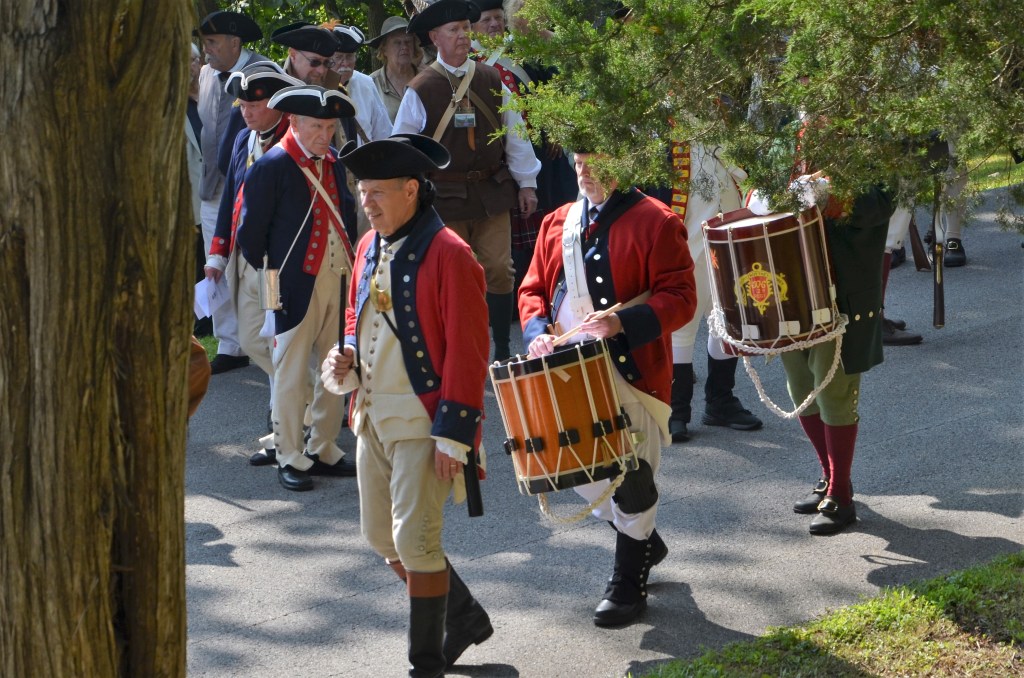
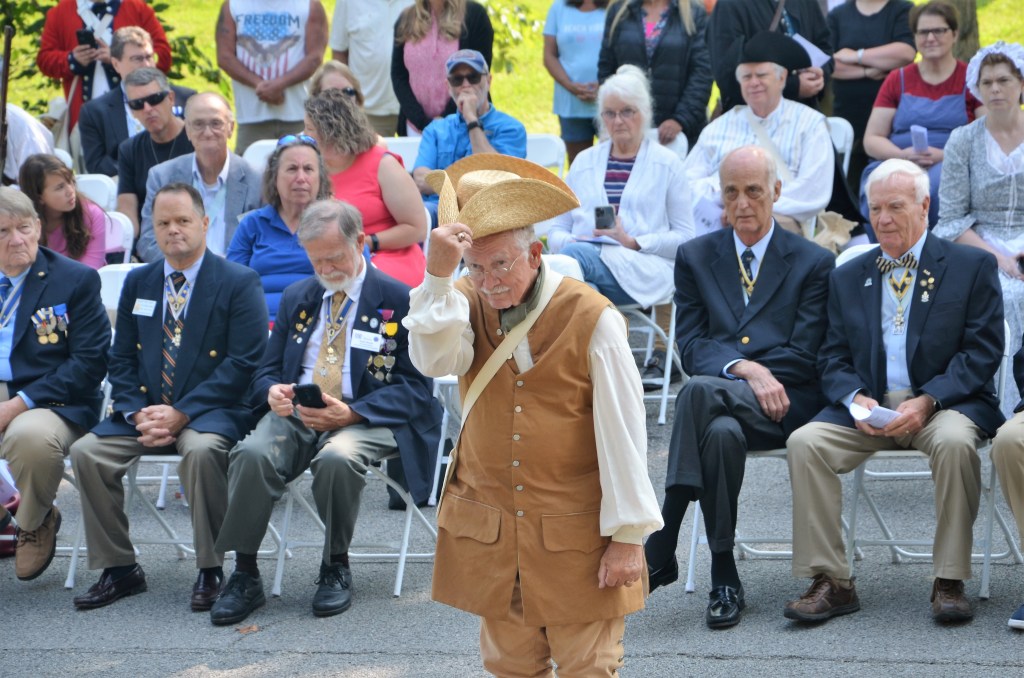
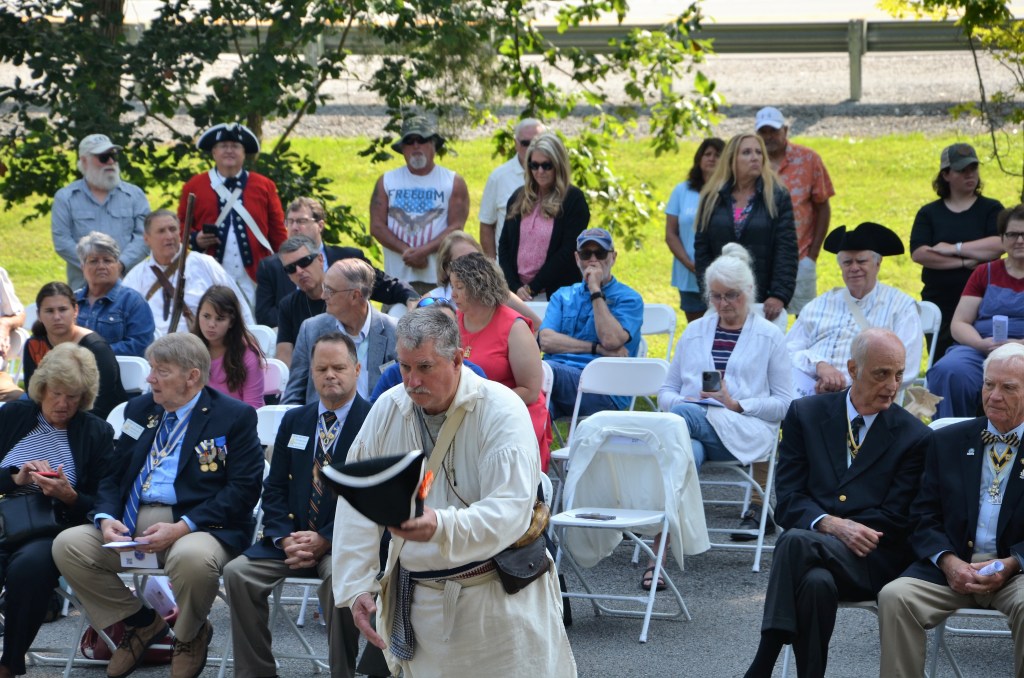
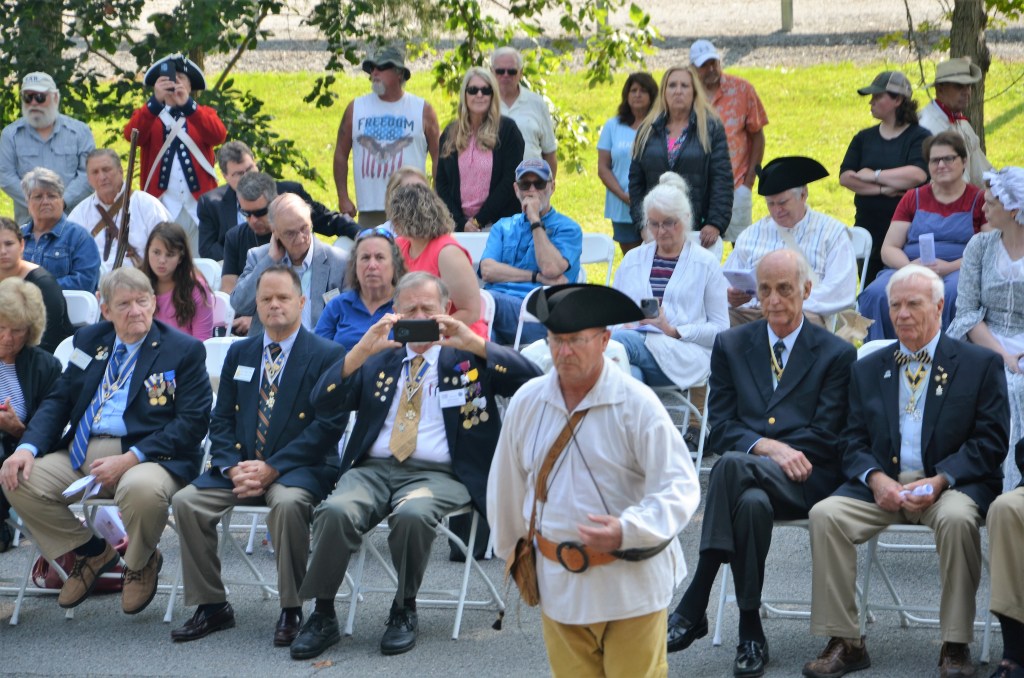
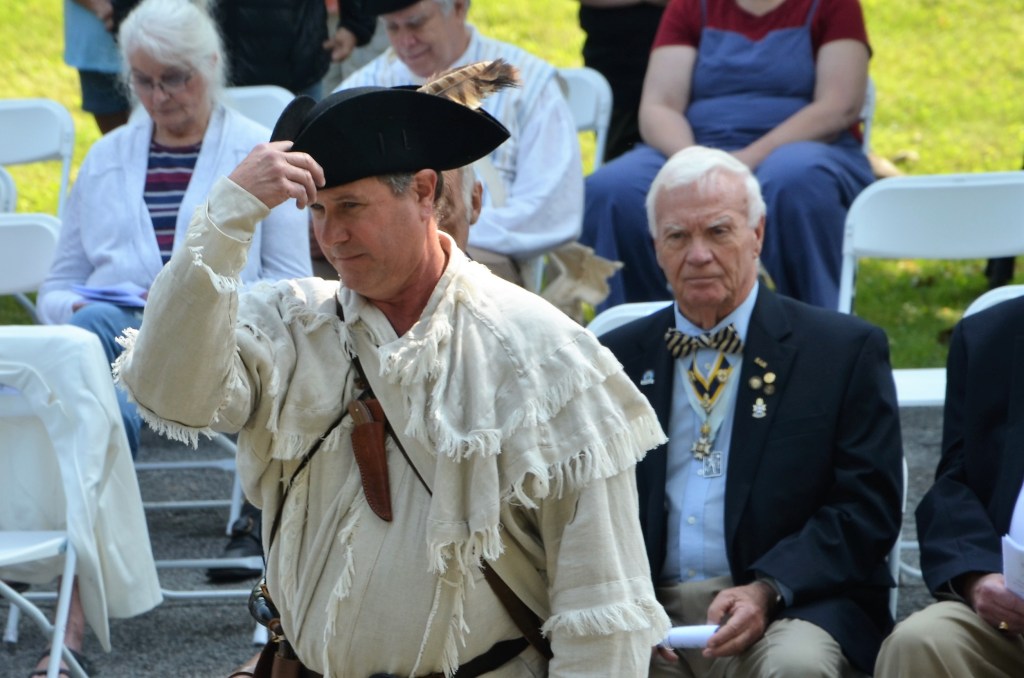
On 24 Feb. Camp Charlotte in attendance to celebrate with the Benjamin Franklin Chapter of the SAR. Dave Fellows of the Northeastern Ohio Chapter provided his interpretive presentation. Followed by the Heritage Fife and Drum Corps provided music of the period. The afternoon was enjoyable and quite entertaining.
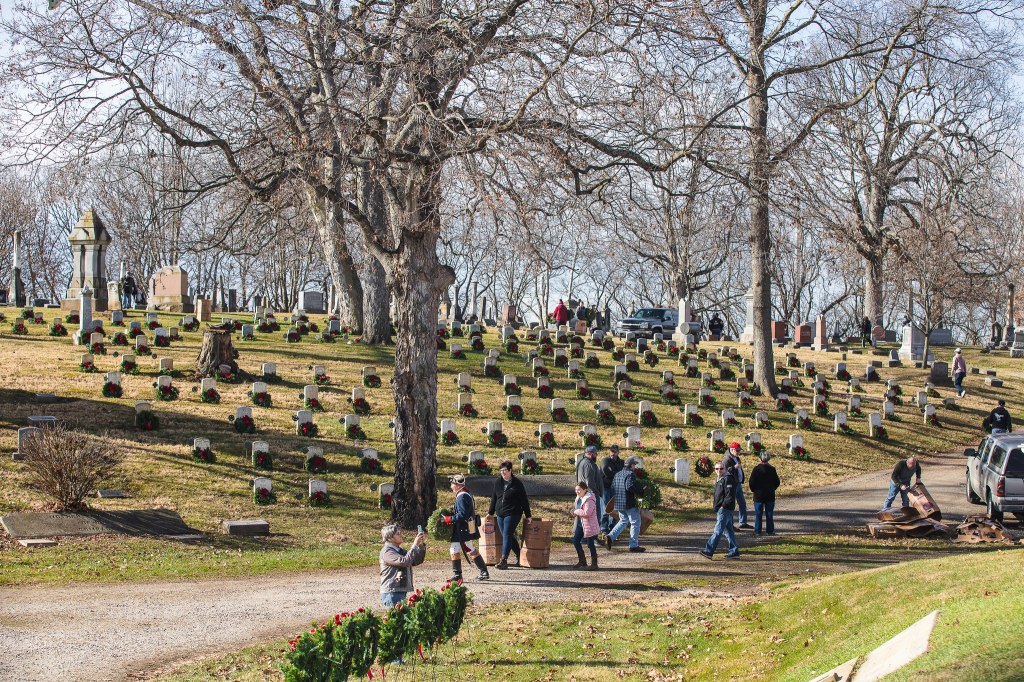
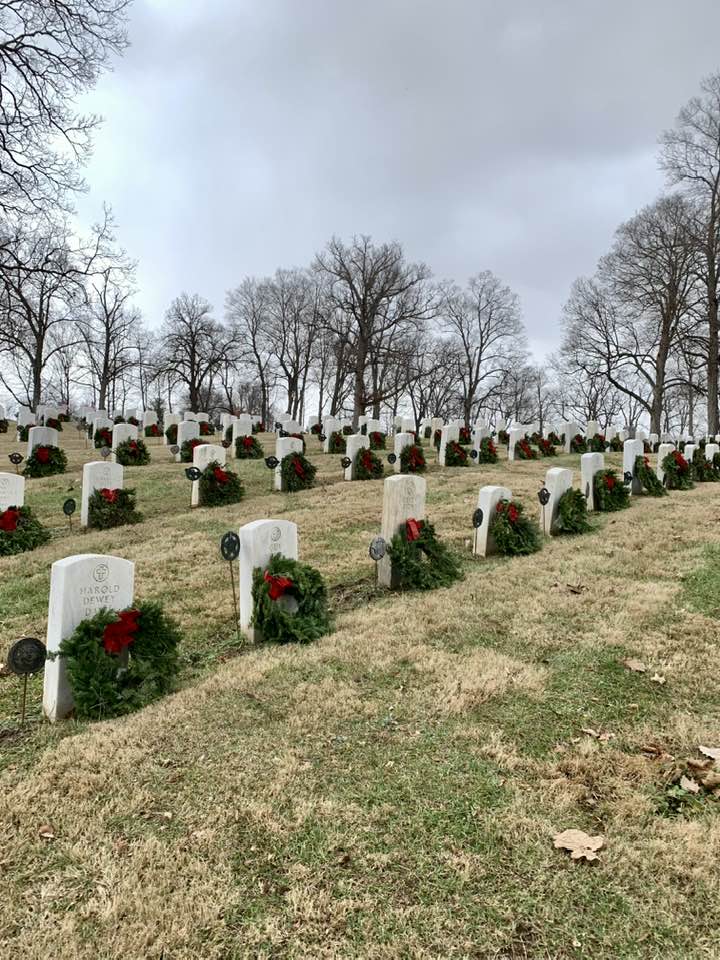
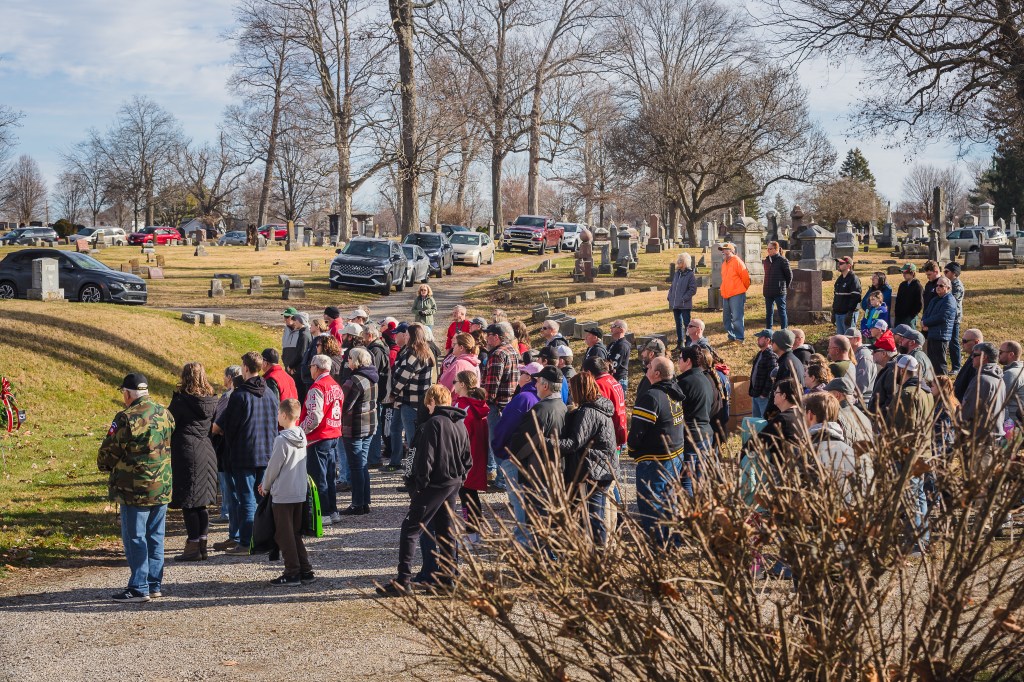
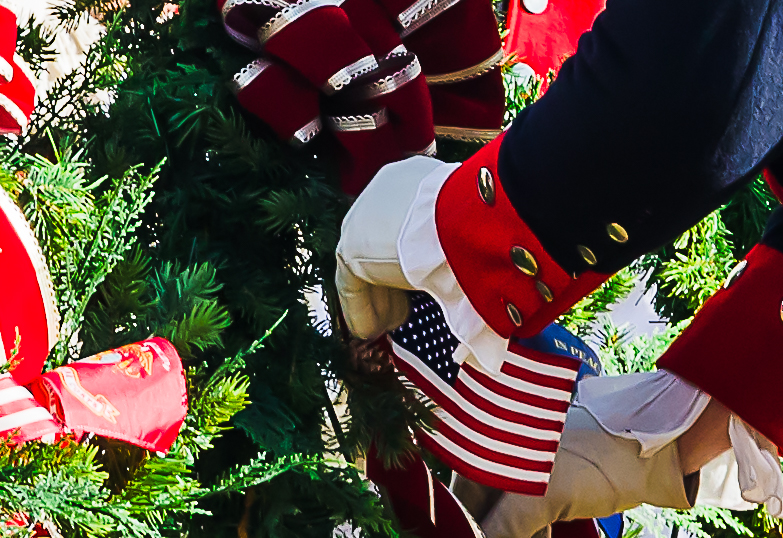
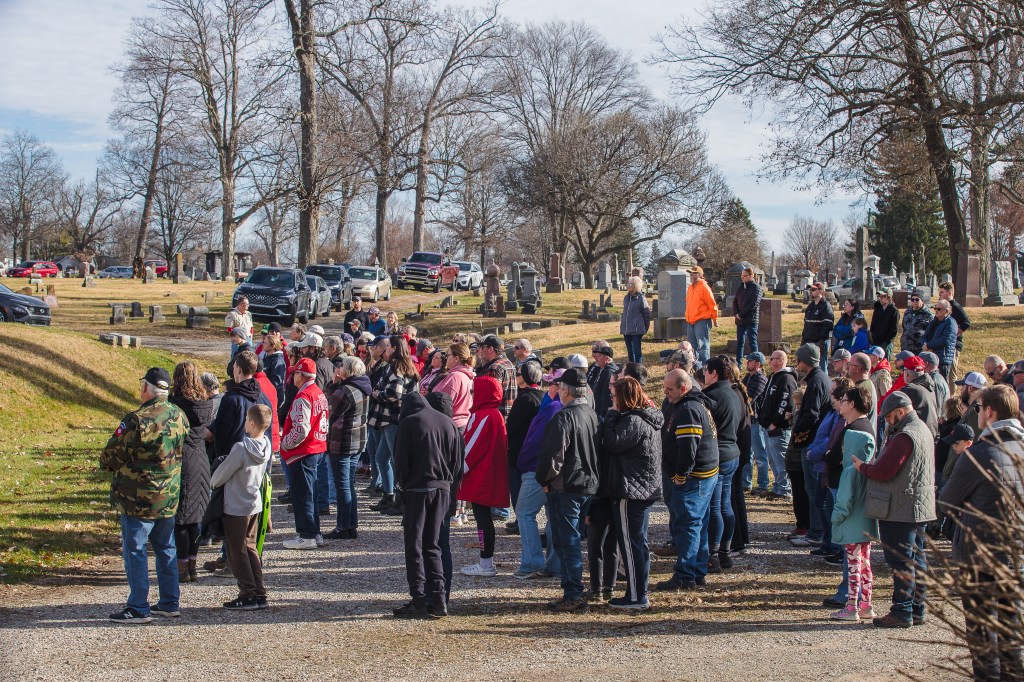
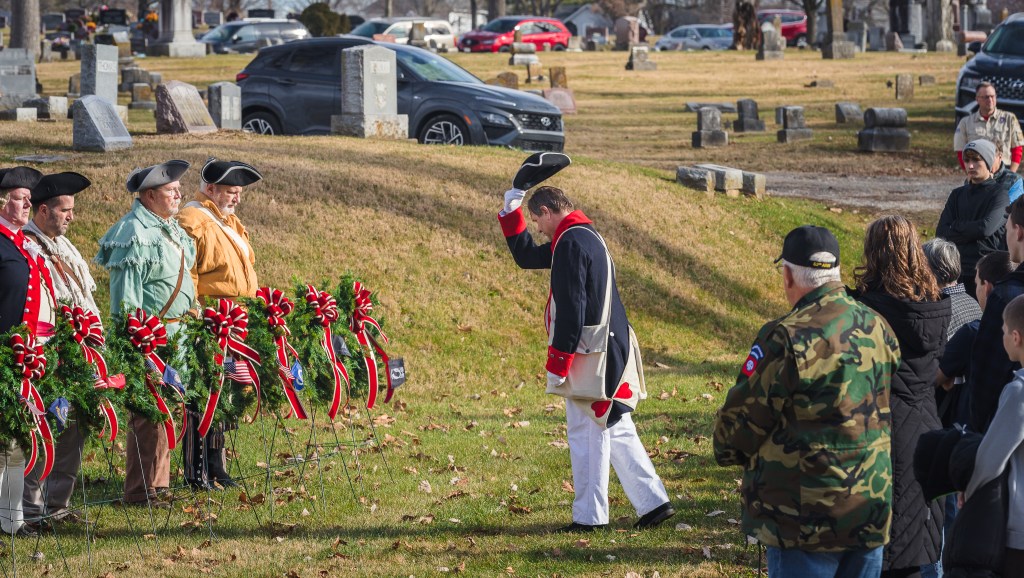
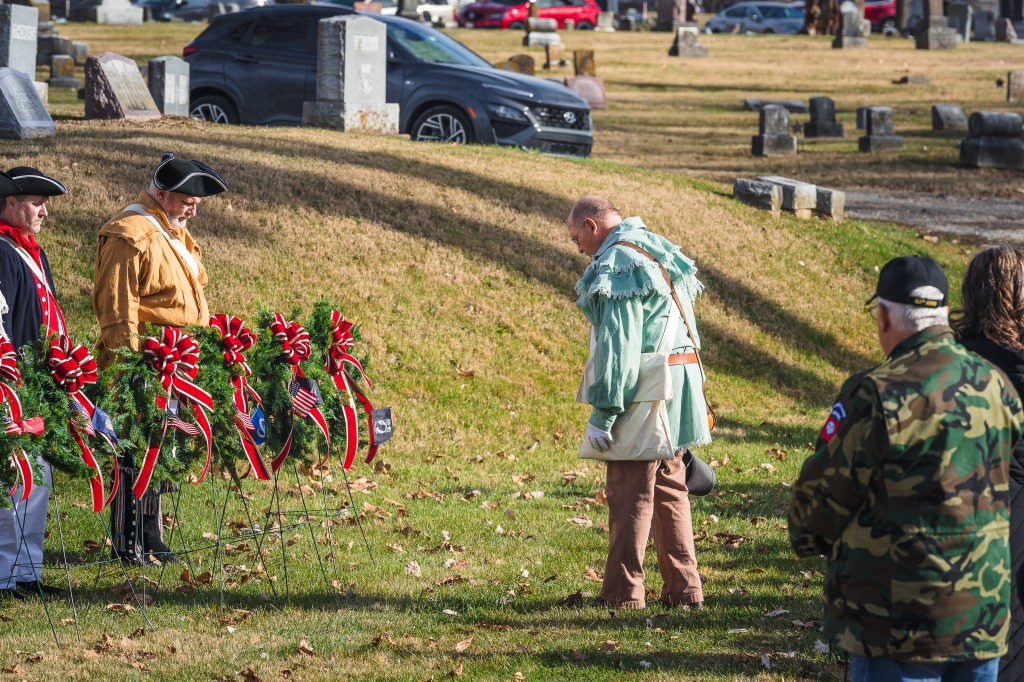
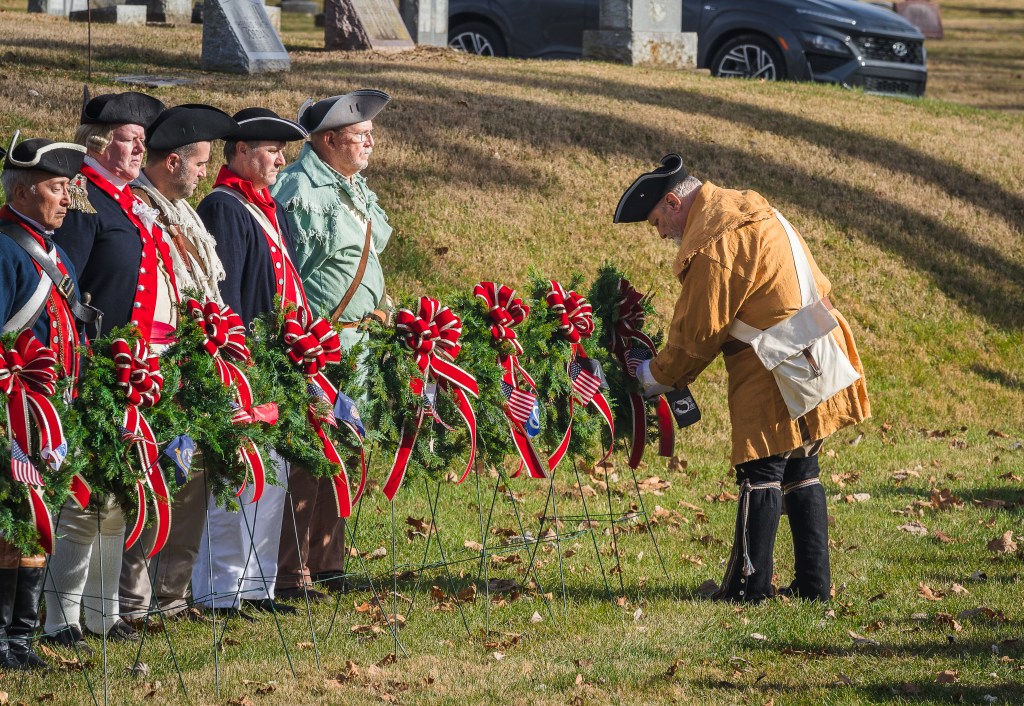
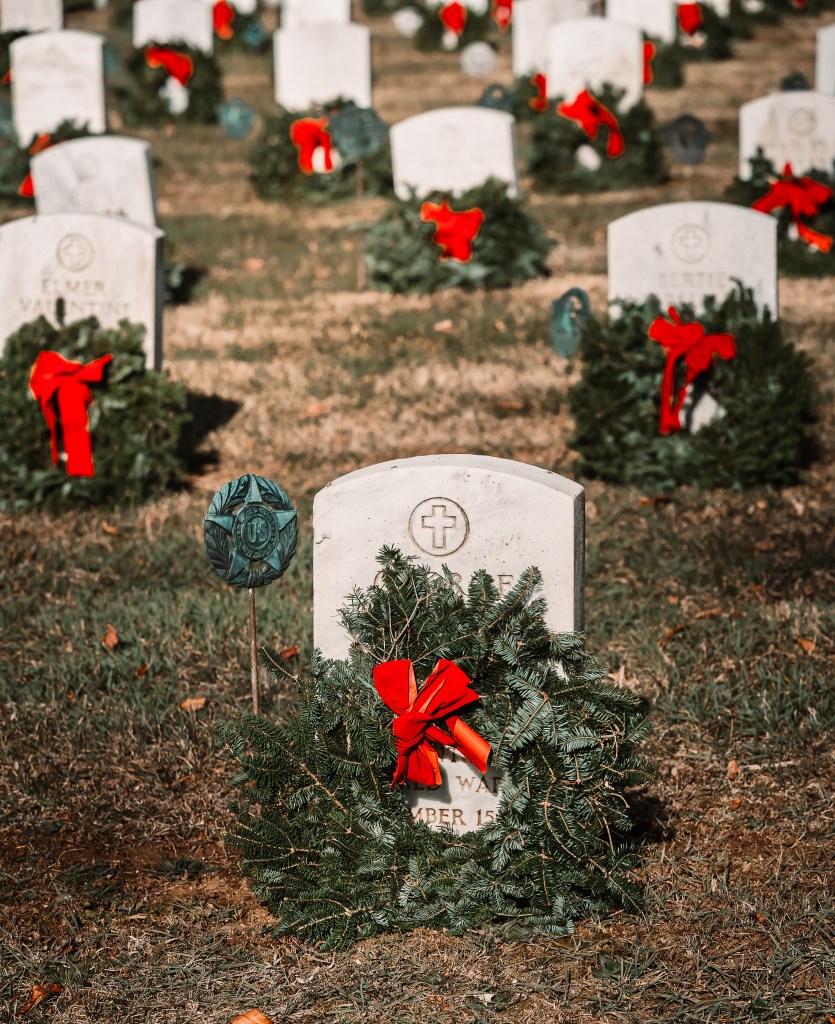
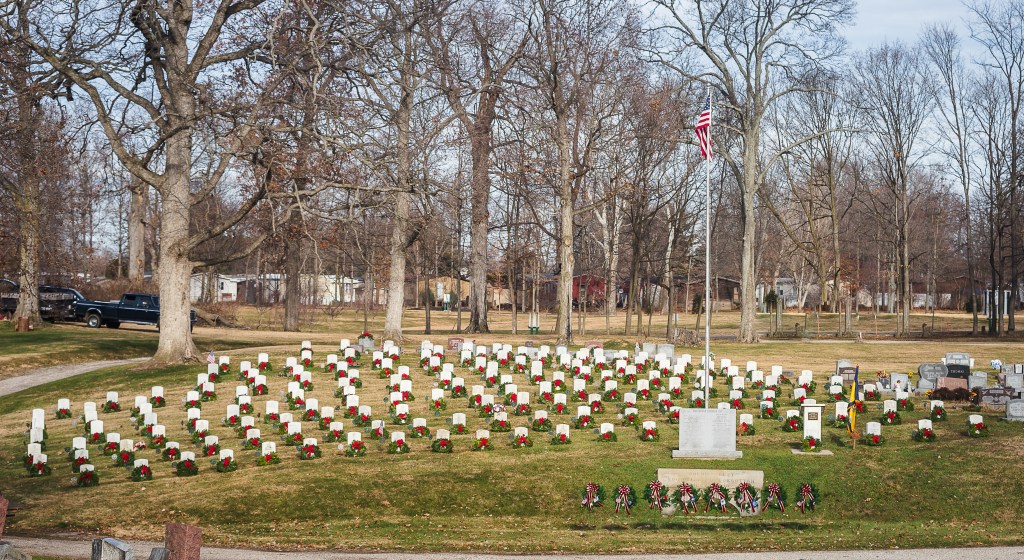
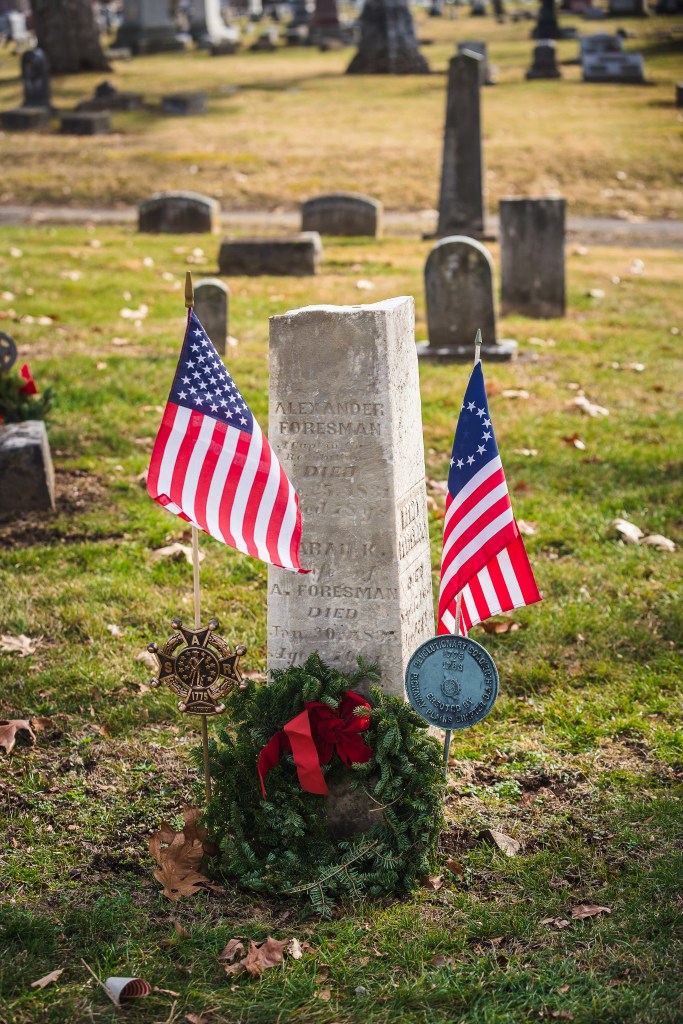
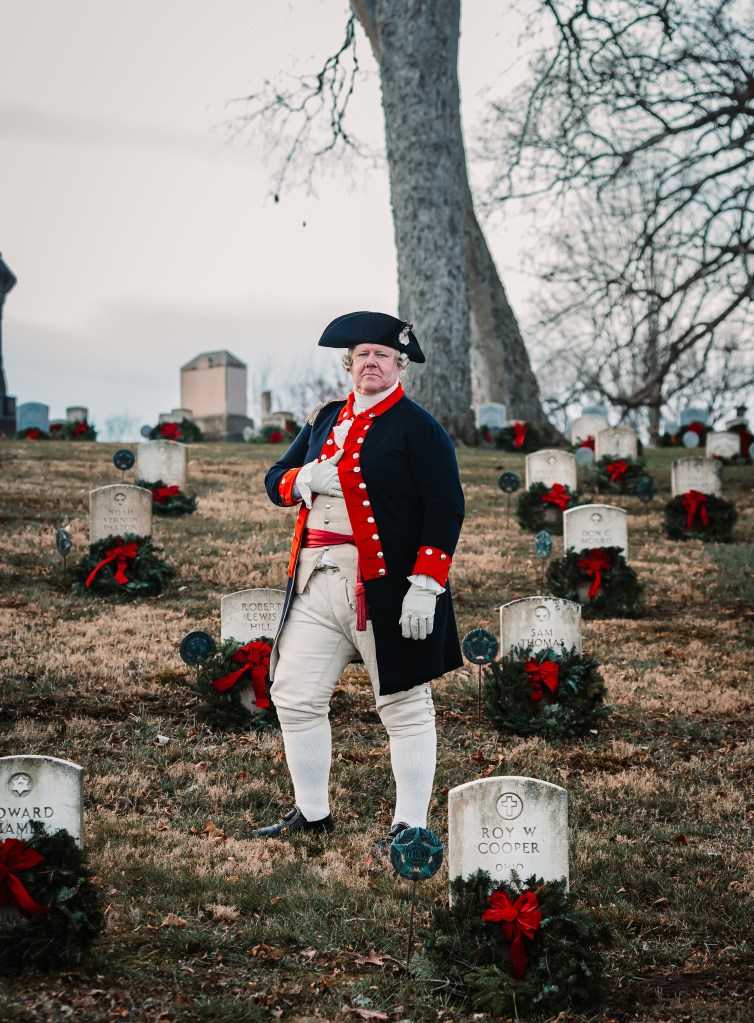
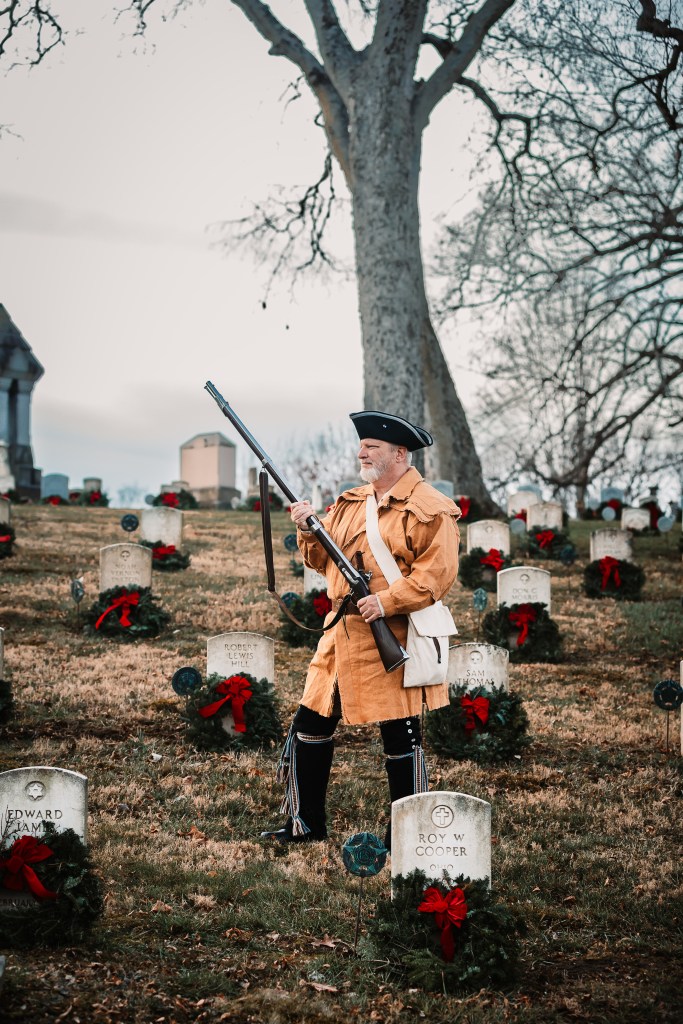
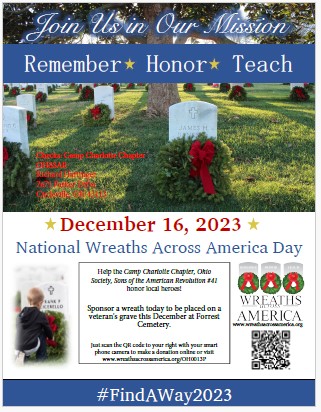
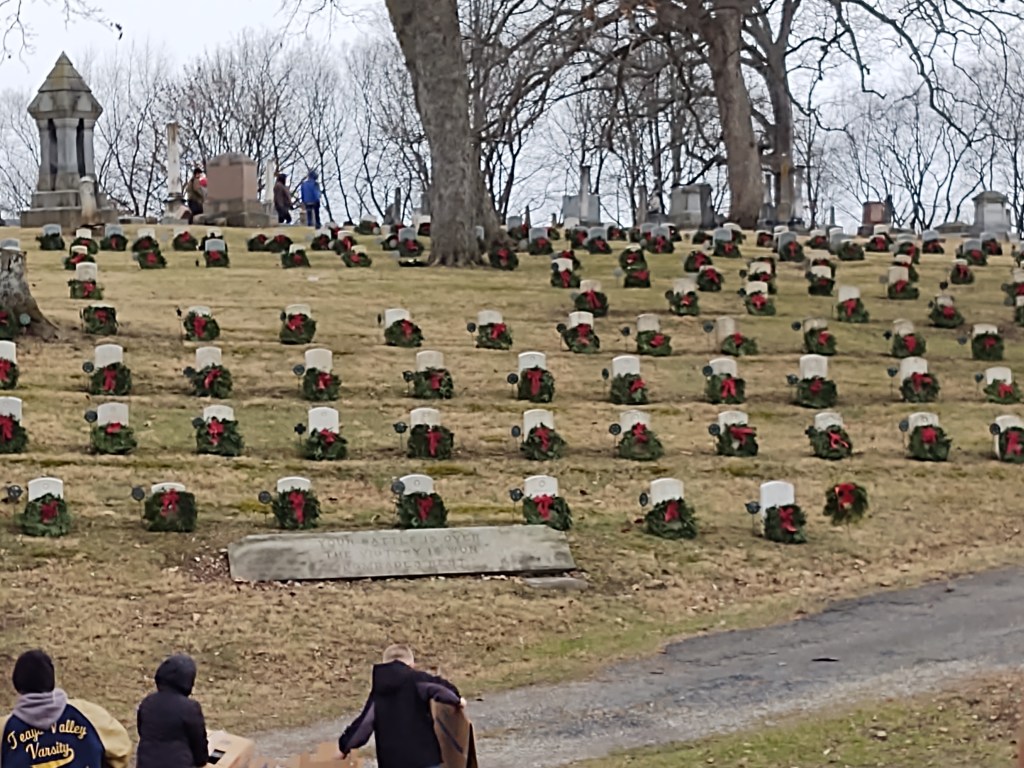
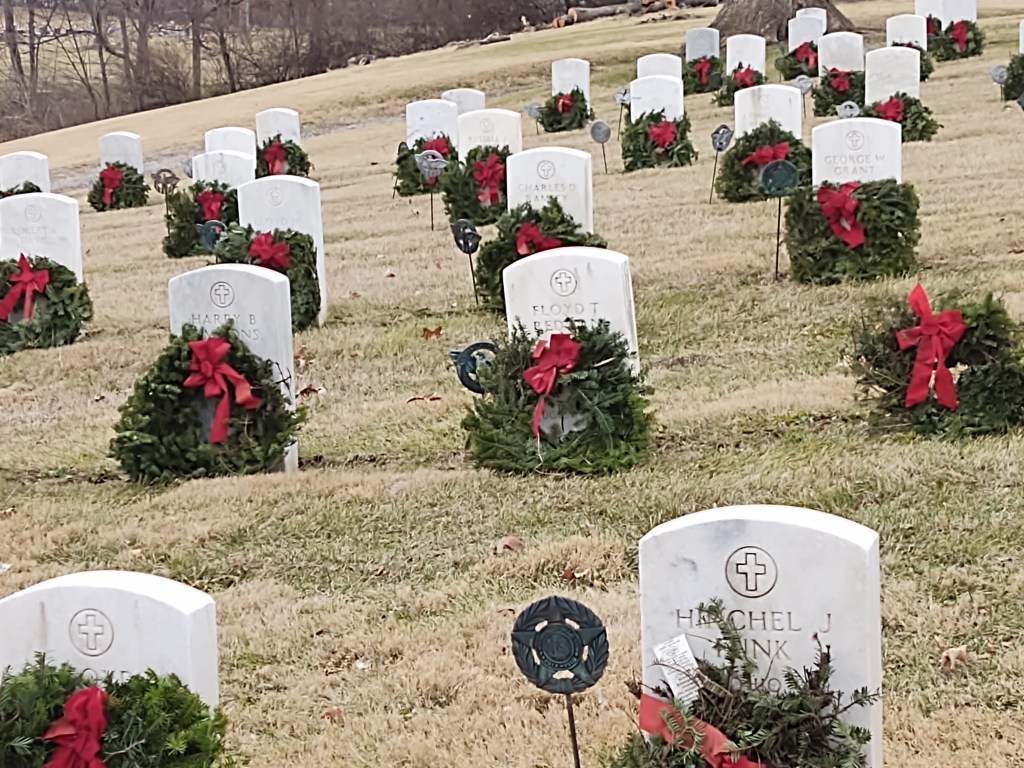
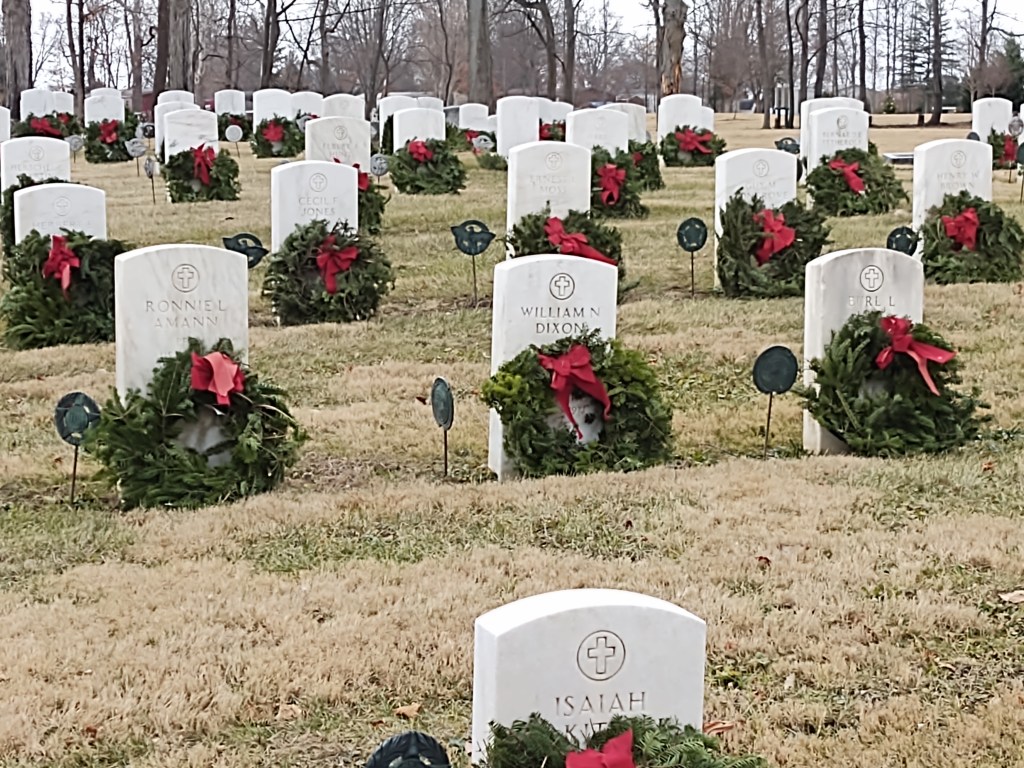
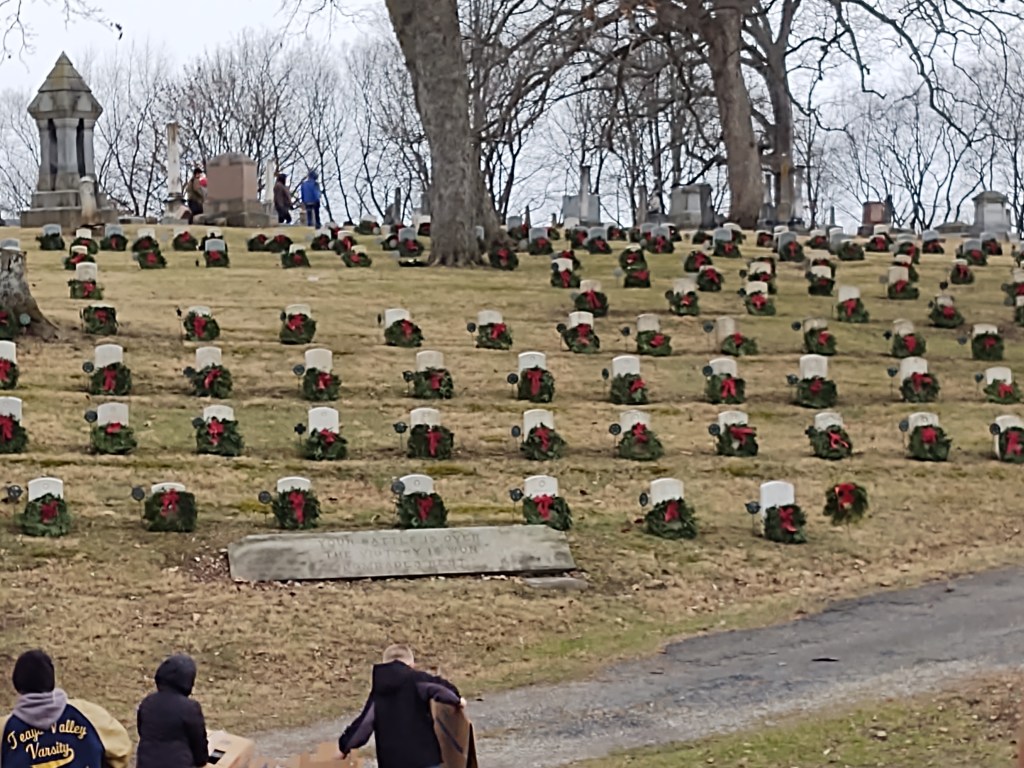
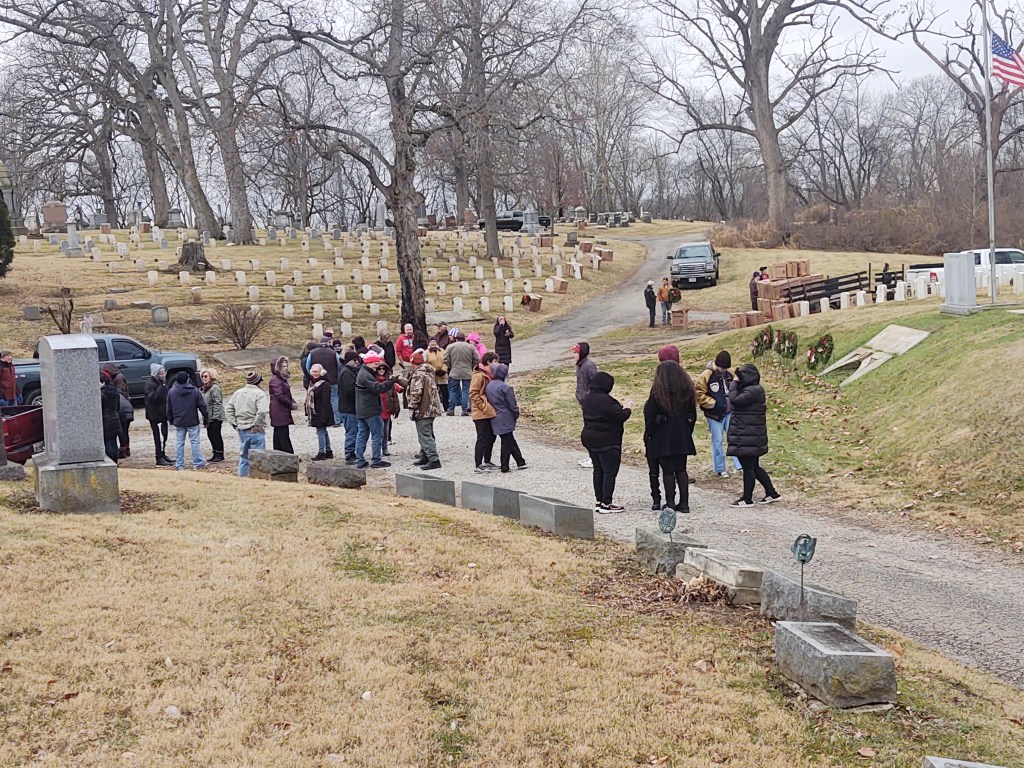
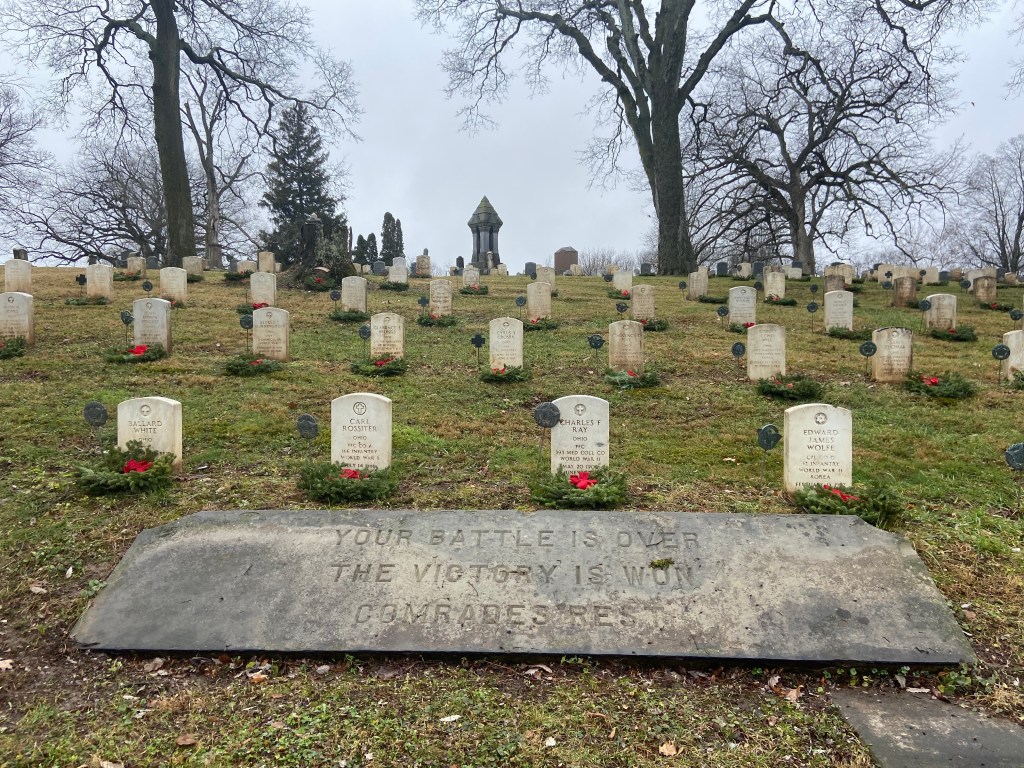
Camp Charlotte OHSSAR participating in this years Wreaths Across America at Forest Cemetery. The weather was perfect and many helping hands were in attendance. Our mission to Remember, Honor and Teach lasts all year long, far beyond the single day in December when we coordinate wreath-laying ceremonies. All throughout the year, Wreaths Across America works in a number of ways to show our veterans and their families that we will not forget—we will never forget.
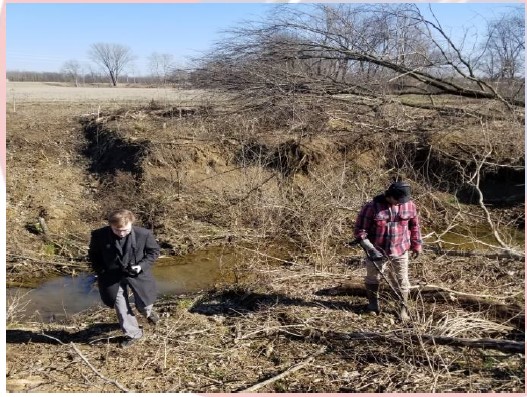
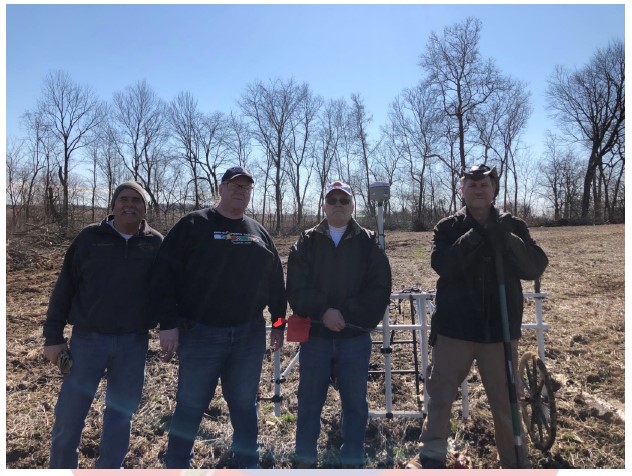
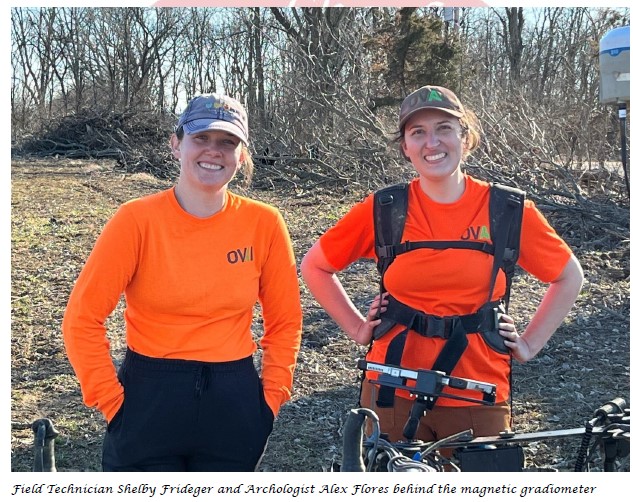
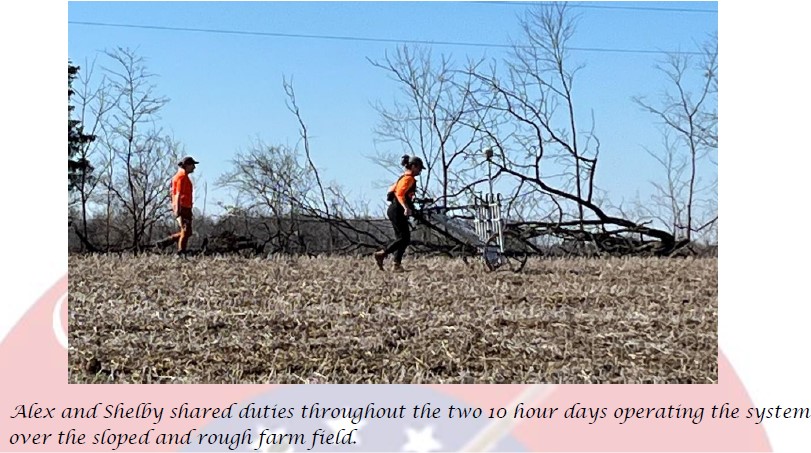
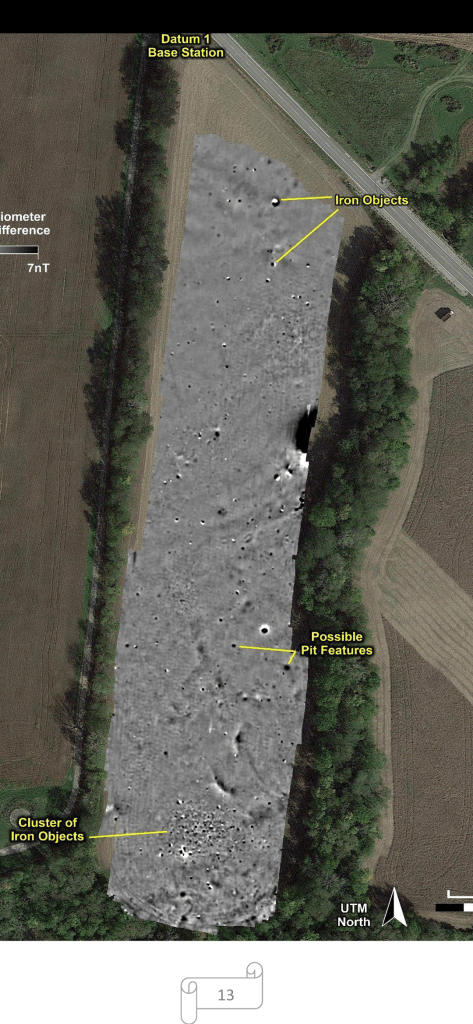
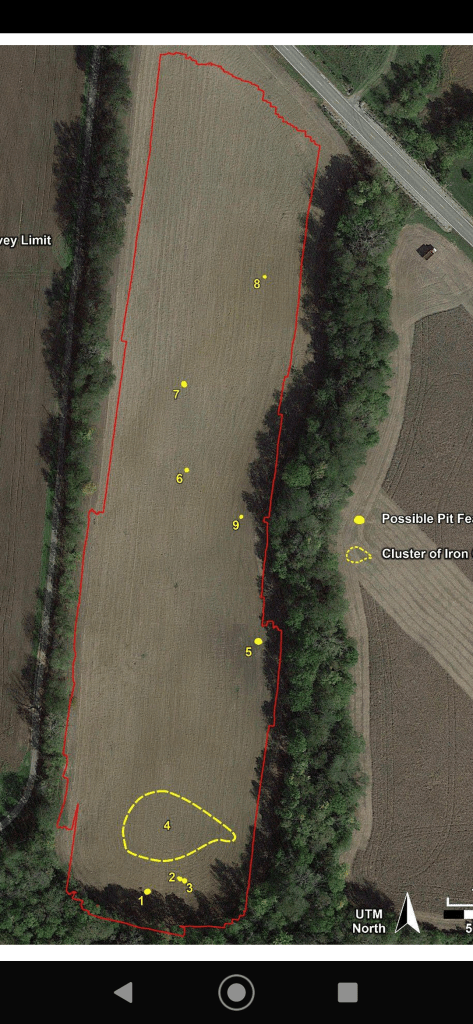
This past spring Camp Charlotte contracted Ohio Valley Archeological Incorporated (OVAI) to come in and to conduct a magnetometer survey of an area that with certainty was part of the location of Lord Dunmore’s camp where negotiations were conducted with the Ohio Indian tribes after their defeat at what is now Point Pleasant West Virginia. Rick Hartinger has spent 16 years researching information that narrowed this location down. The survey was conducted February 13th and 14th on nearly 9 acres of property owned by a local farmer. This endeavor is in support of the 250th celebration.
Lord Dunmores campCamp Charlotte L-R Kevin Driesbach- Tony Holbrook – President Richard Hartinger & Rich Menshaw
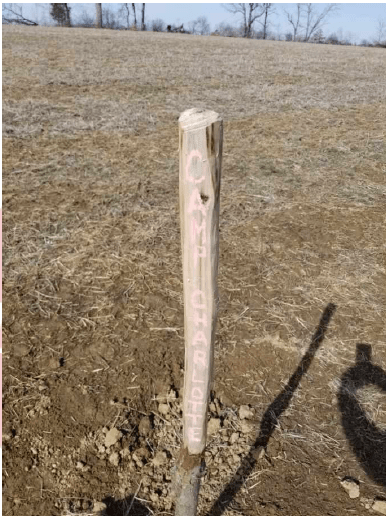
As recorded in documentation, Lord Dunmore came upon a location that he decided to make camp. He removed the bark of a tree and in red wrote “Camp Charlotte”
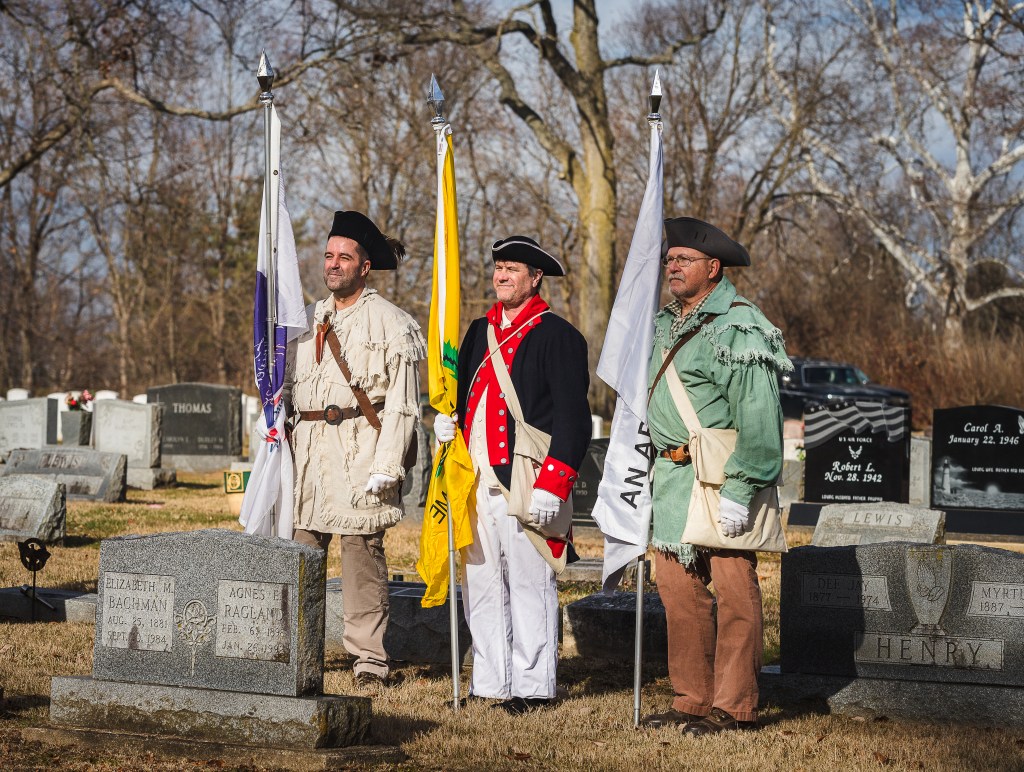
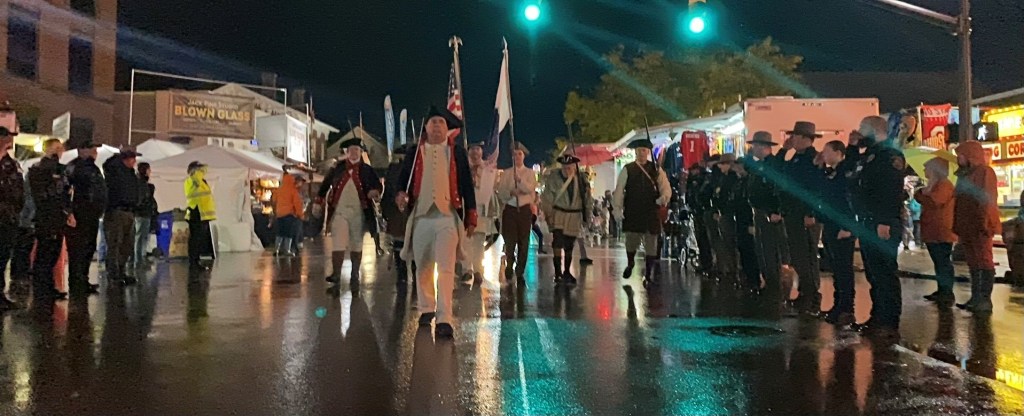
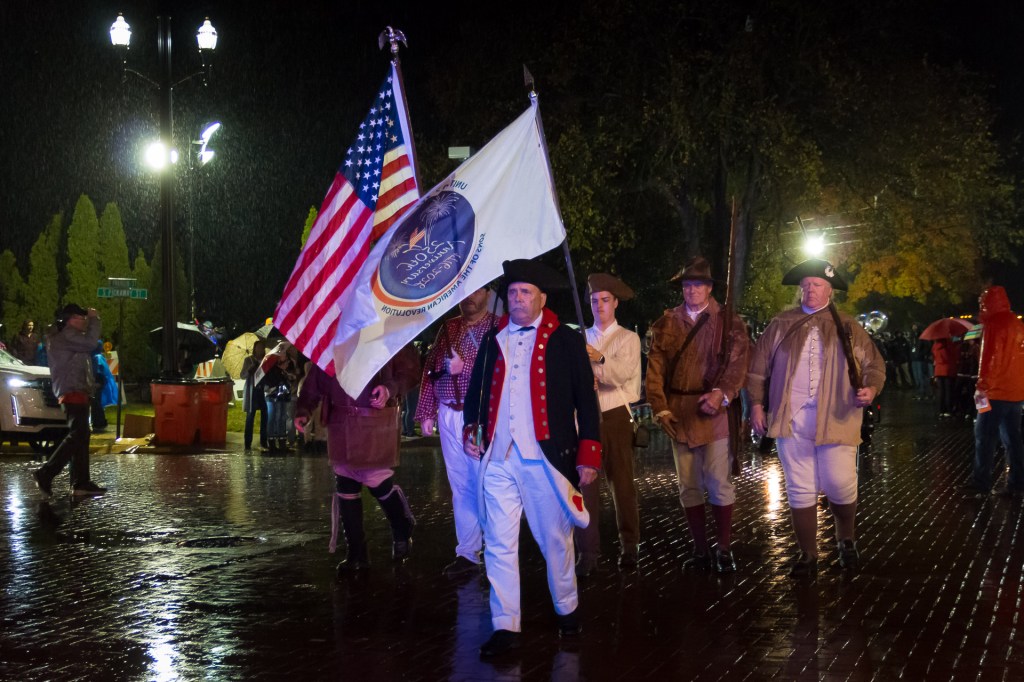
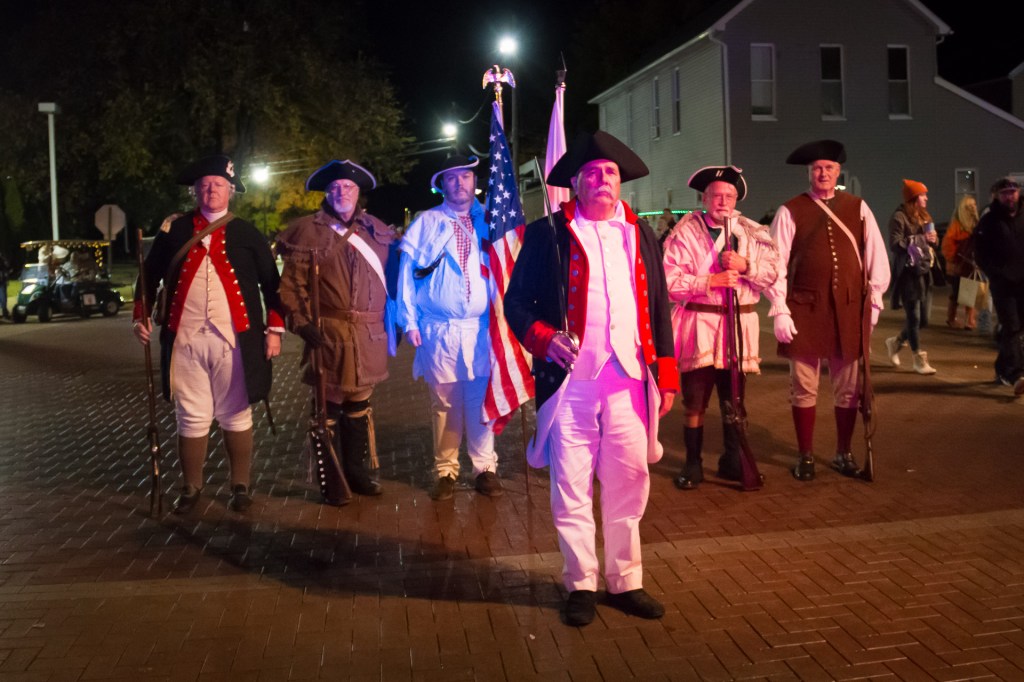
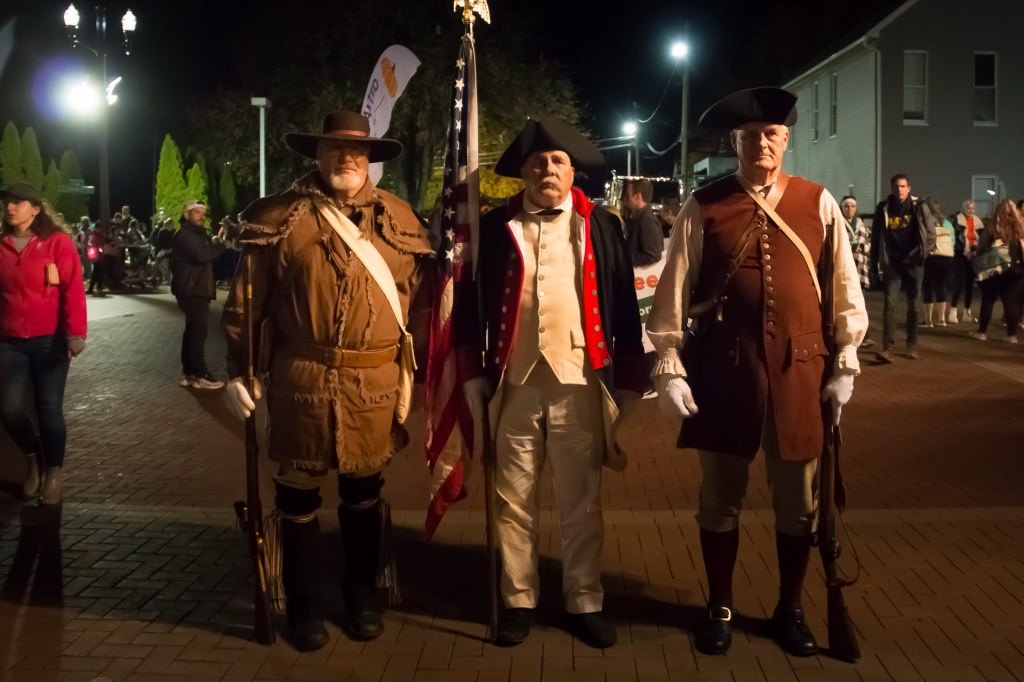
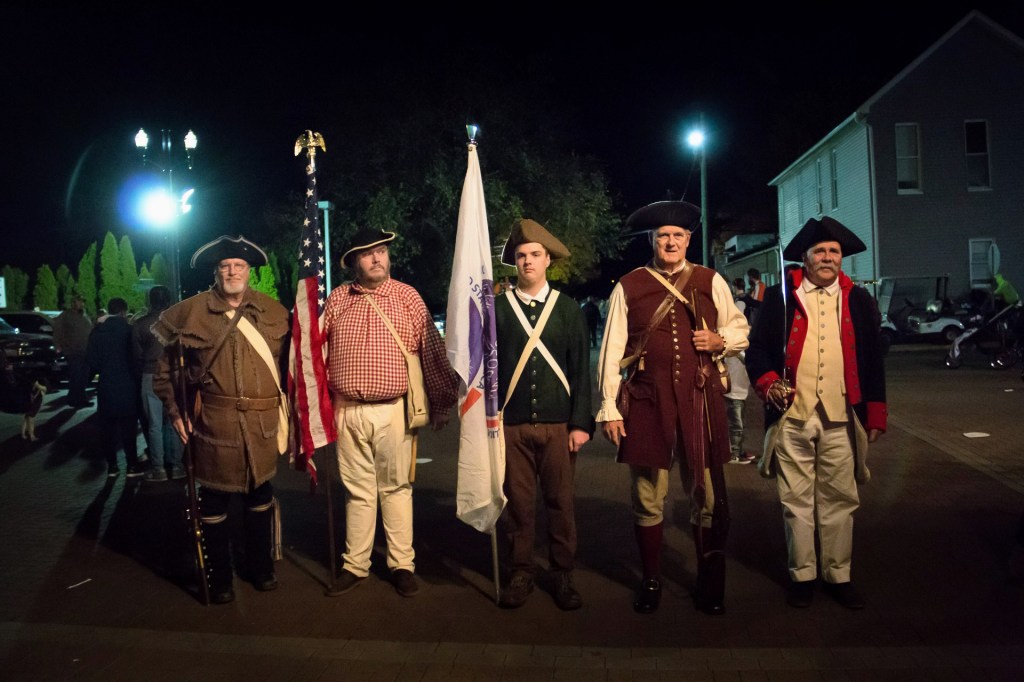
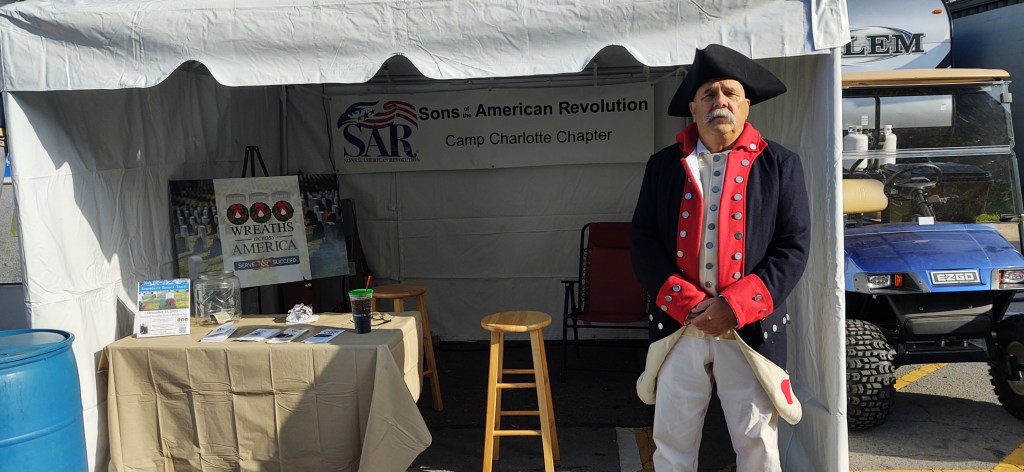
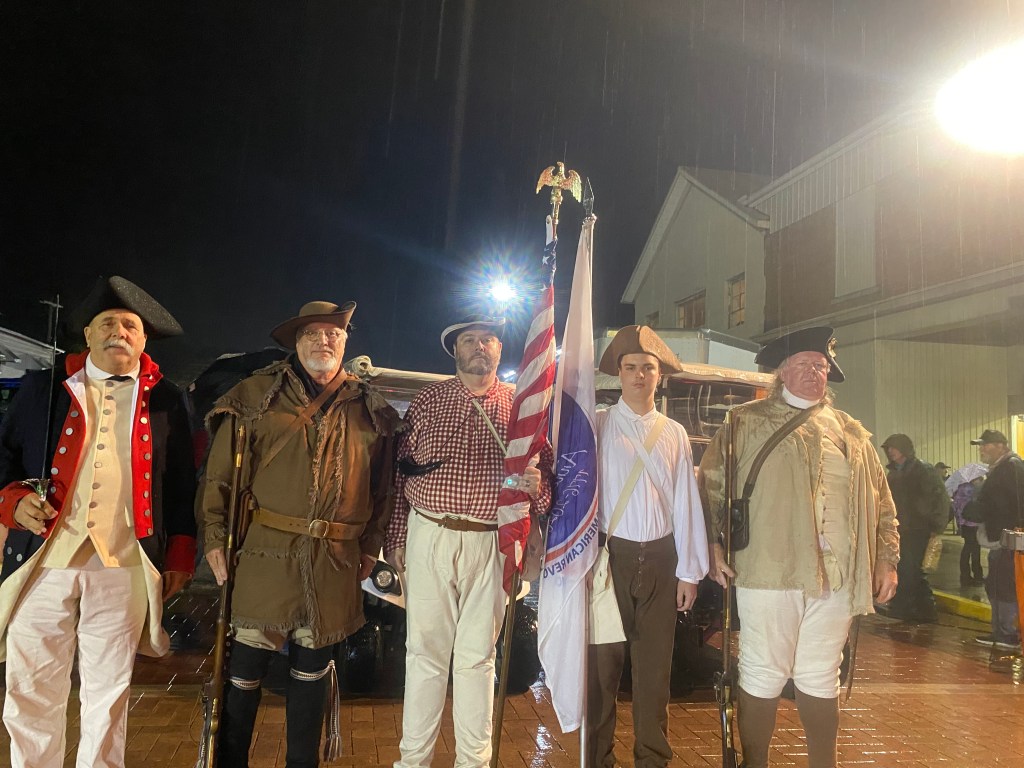
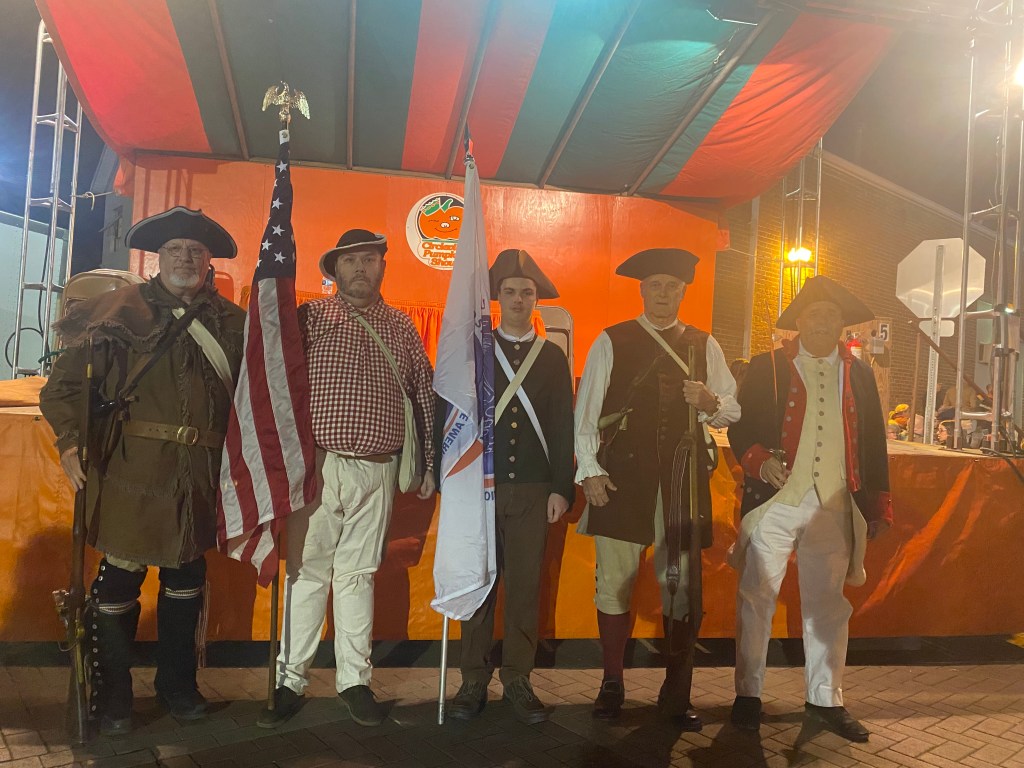
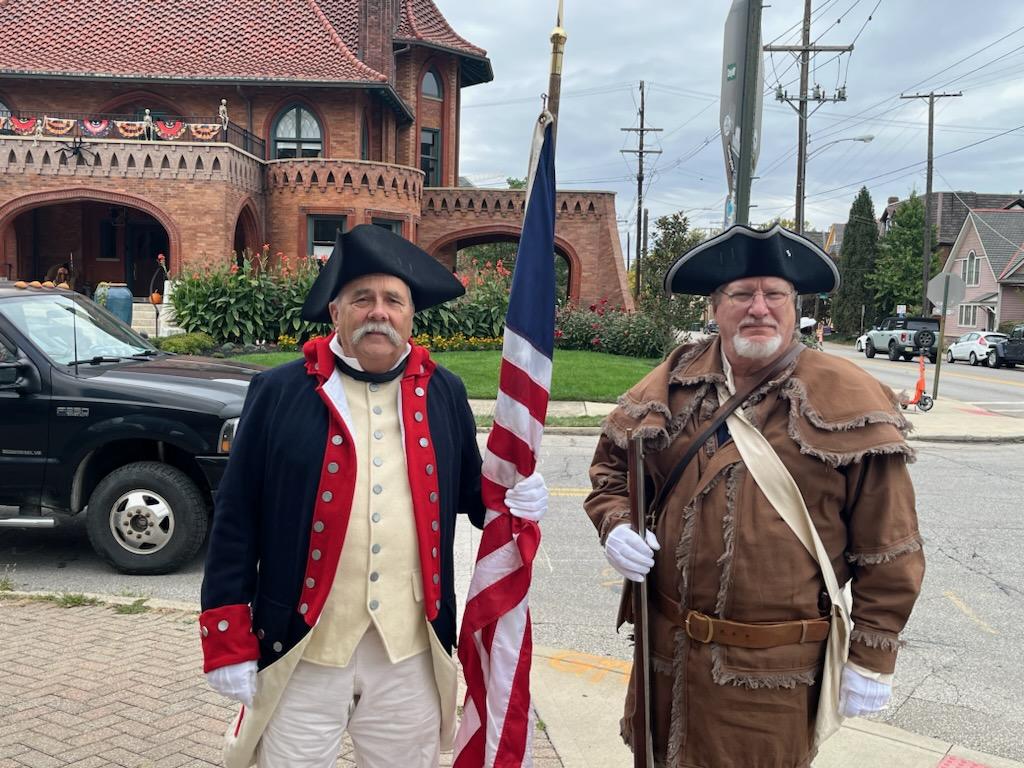
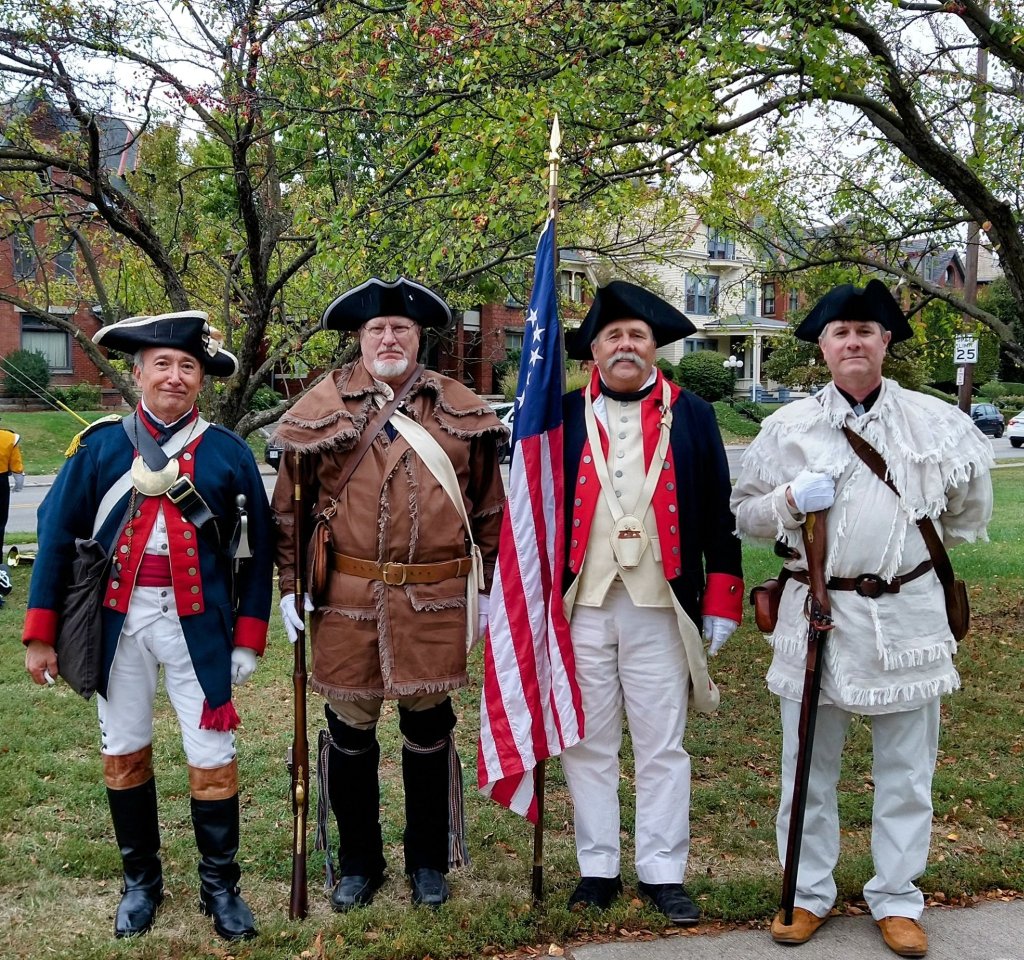
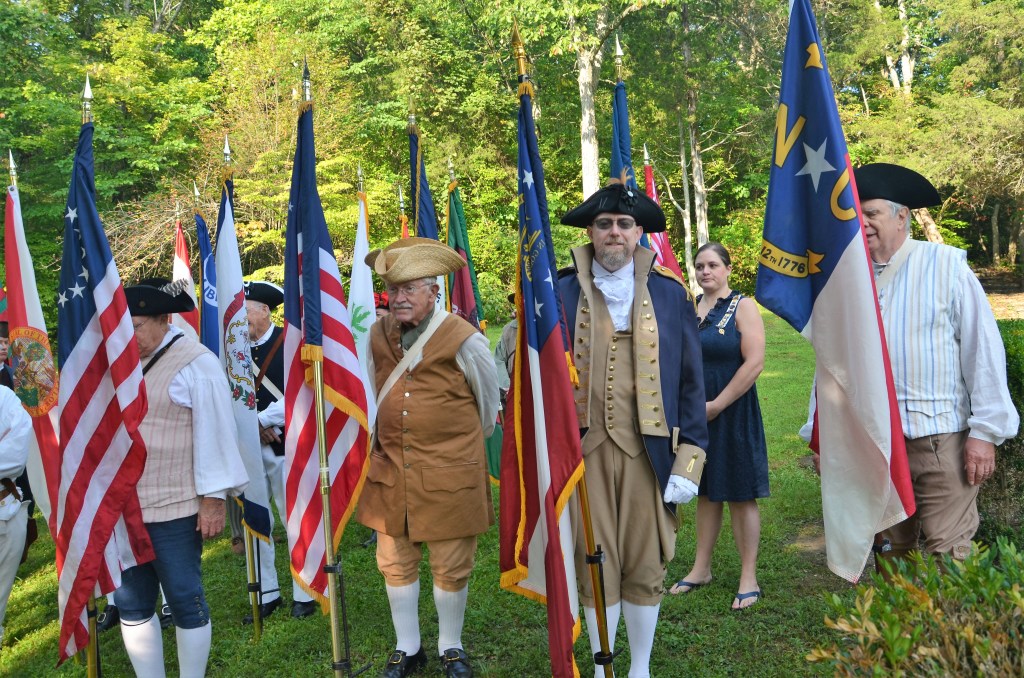
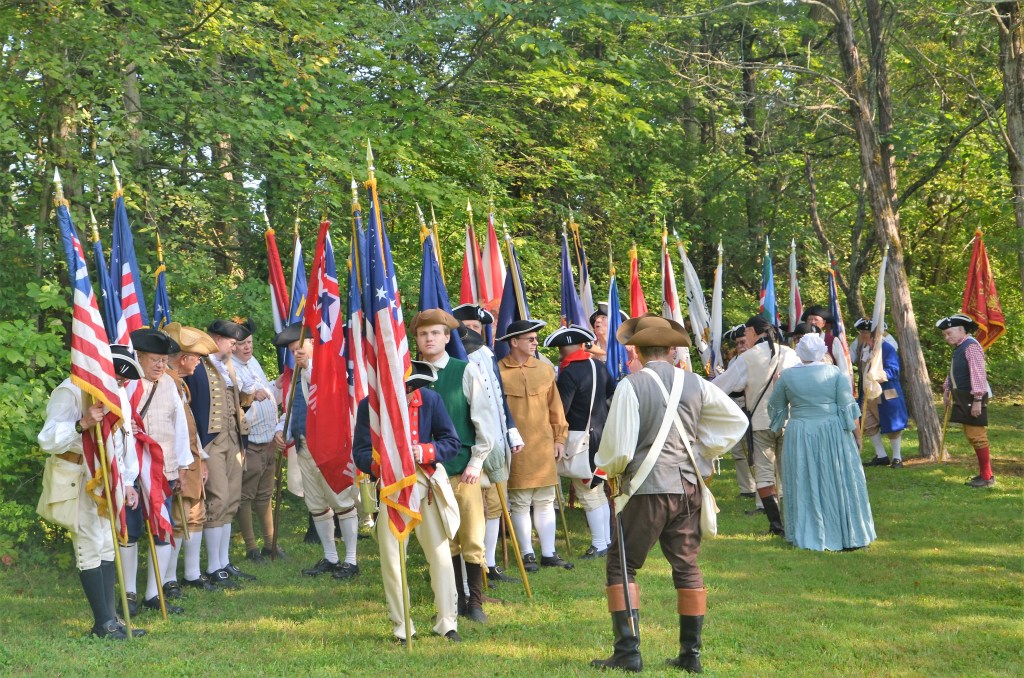
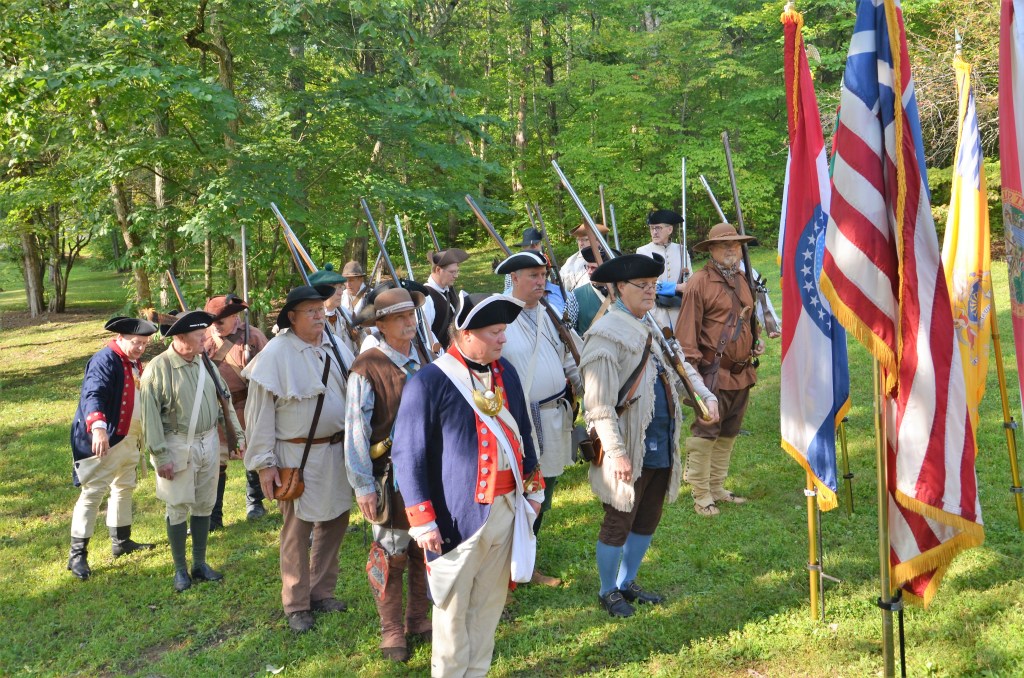
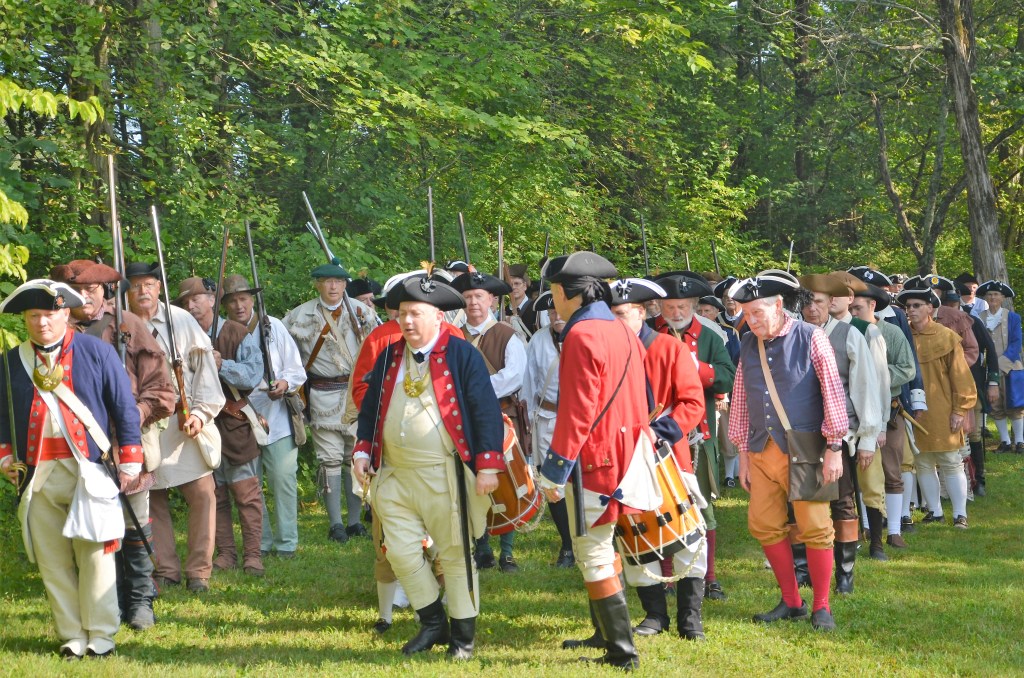
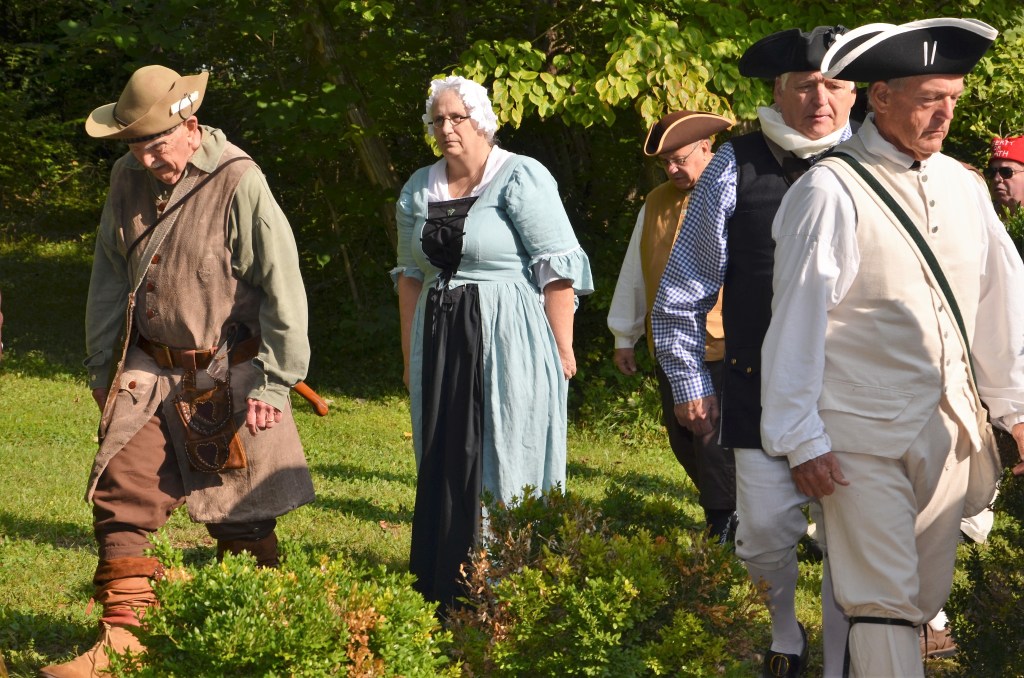
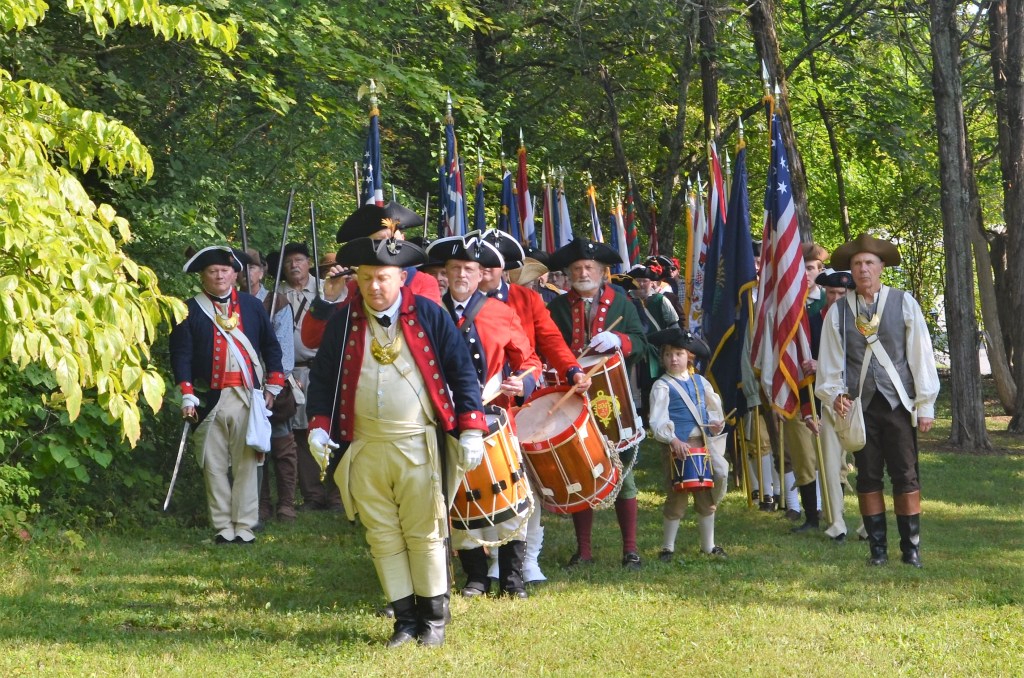
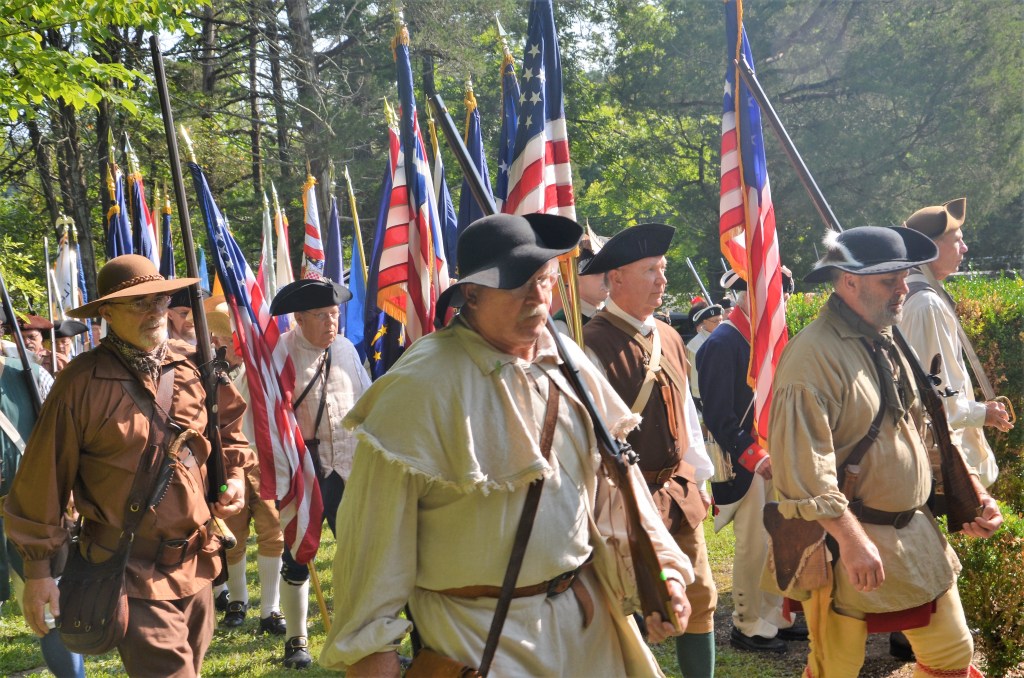
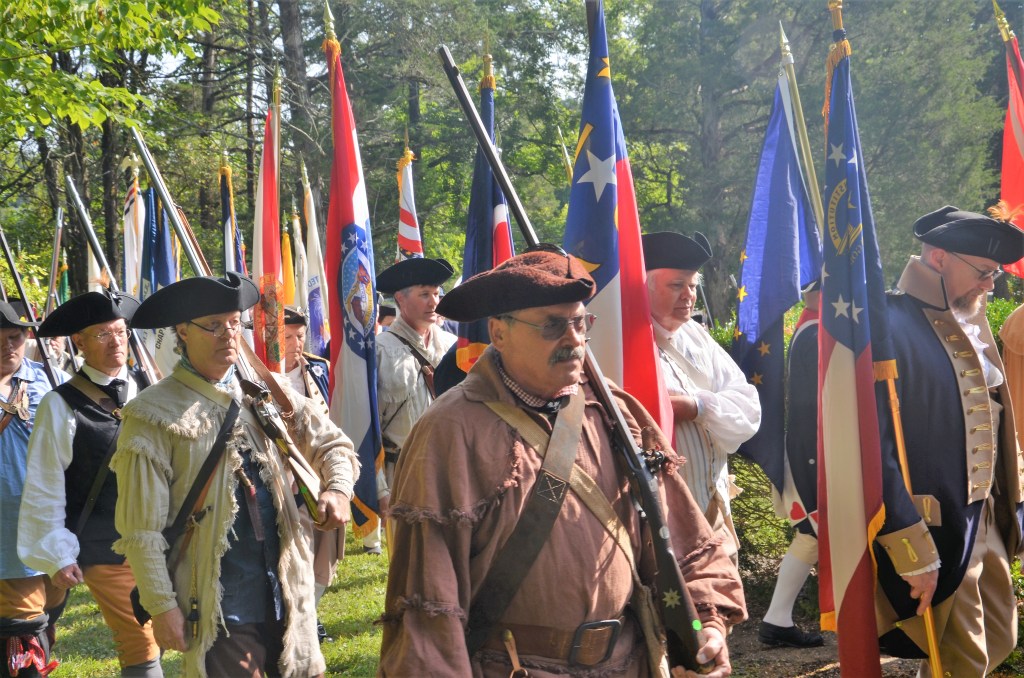
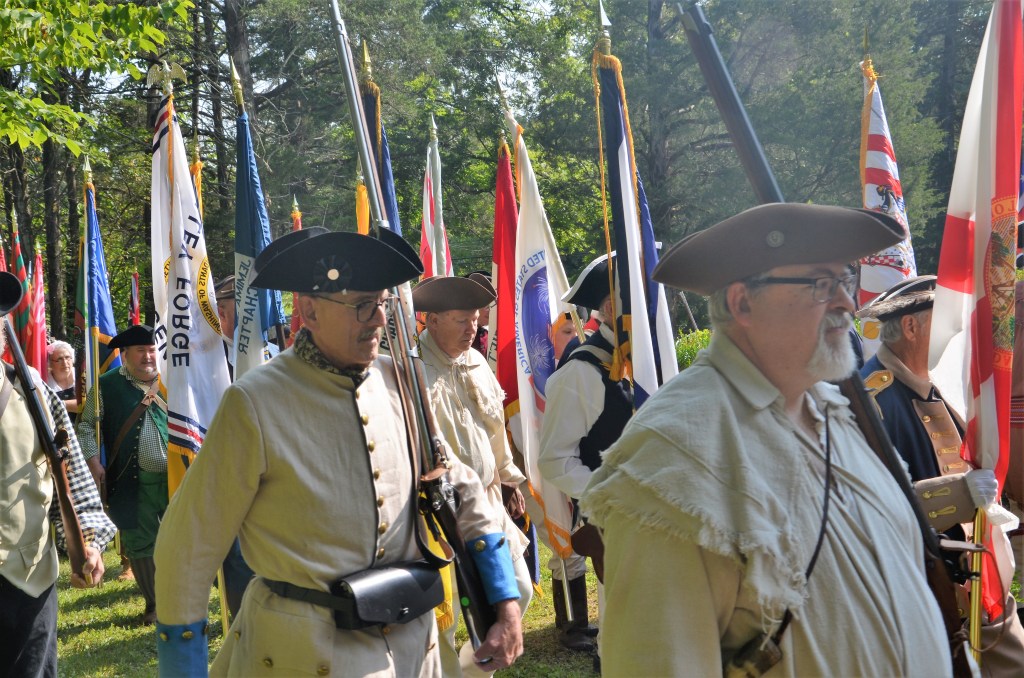
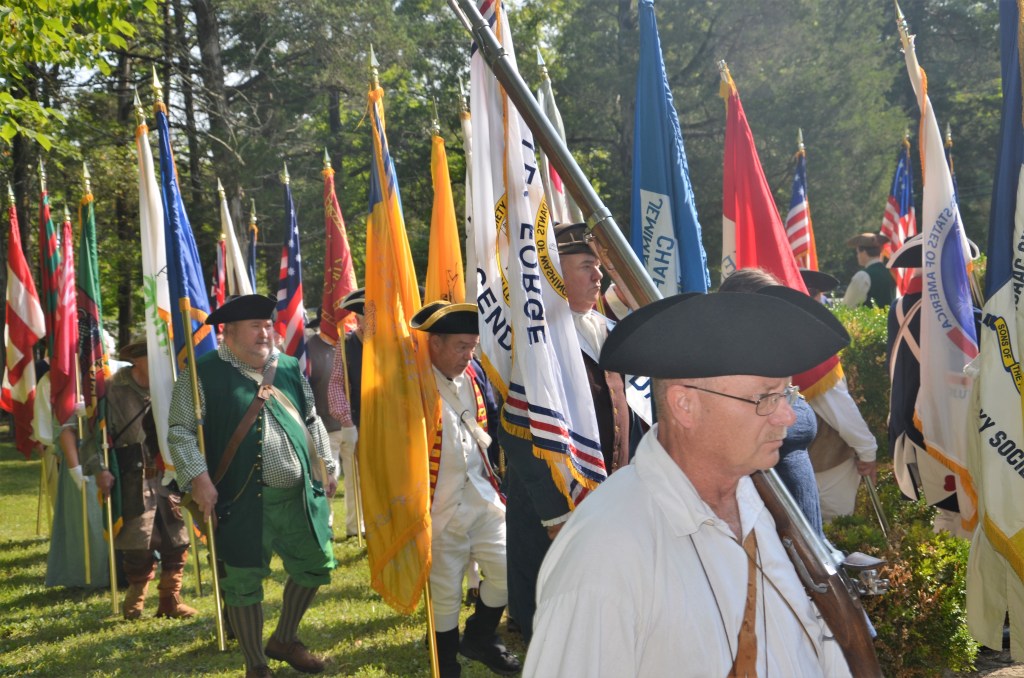
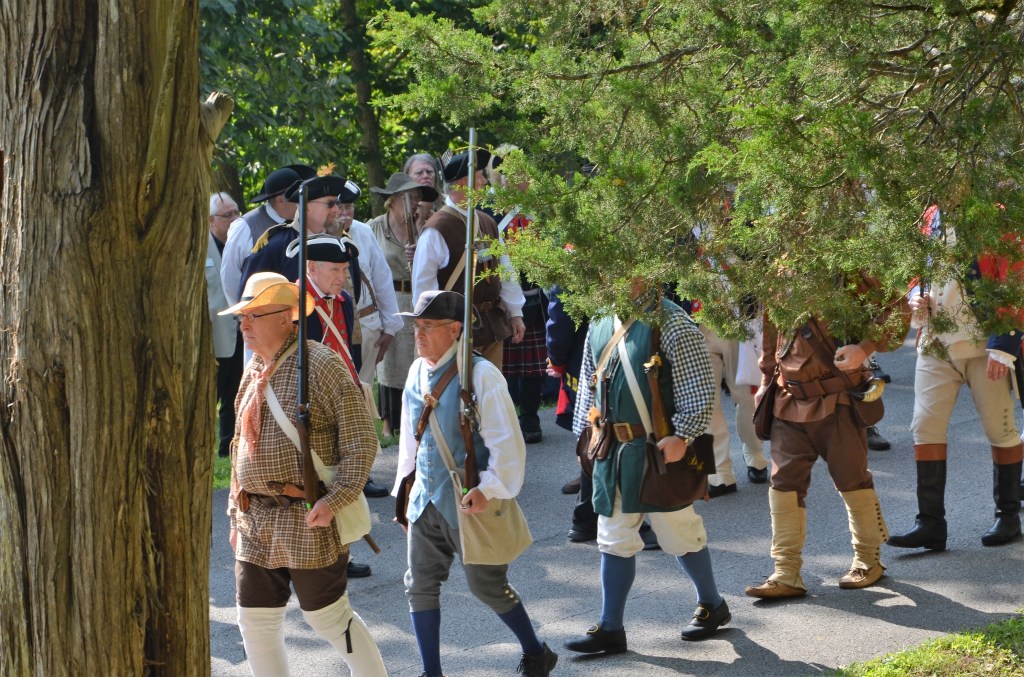
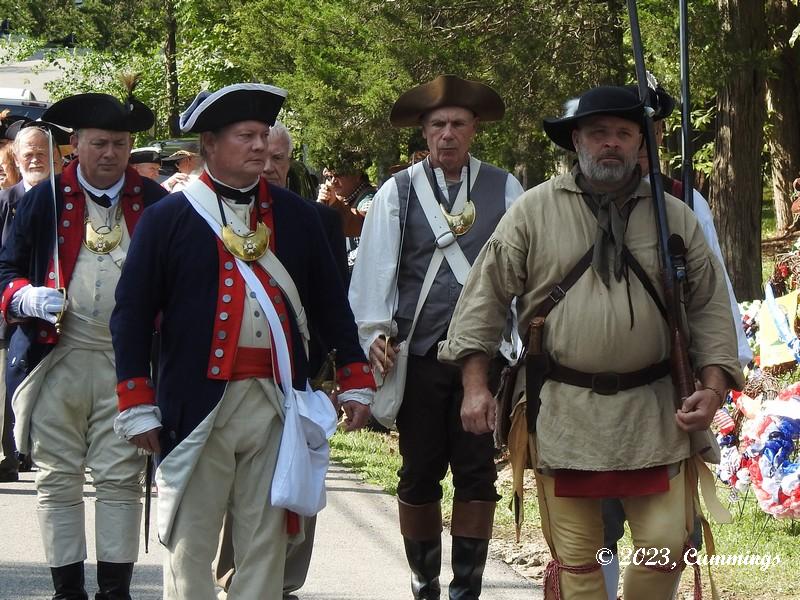
This year the Color Guardsmen of Camp Charlotte was tasked to be the parade Color Guard unit for all 4 nightly parades in addition we also sponsored the first SAR & DAR booth promoting Wreaths Across America and what the SAR & DAR represent and their activities, we were located just across from the police station so many were able to find us. We had very many individuals stop by for questions and answers and photographs. We even had some who were willing to become new members in the future. By the end of the show we were very well received by all.
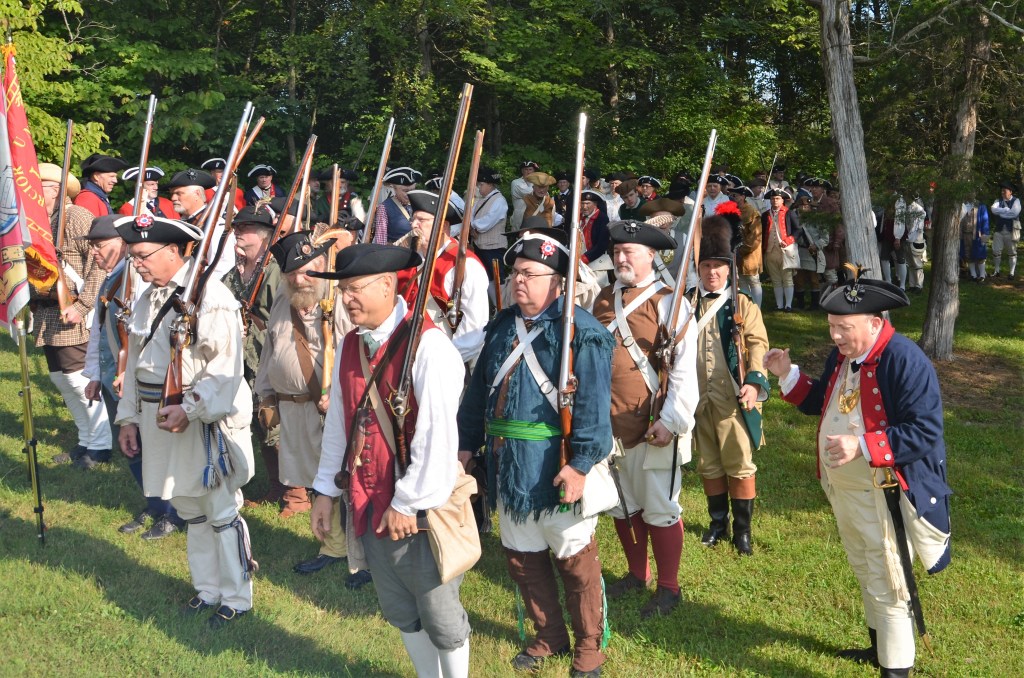
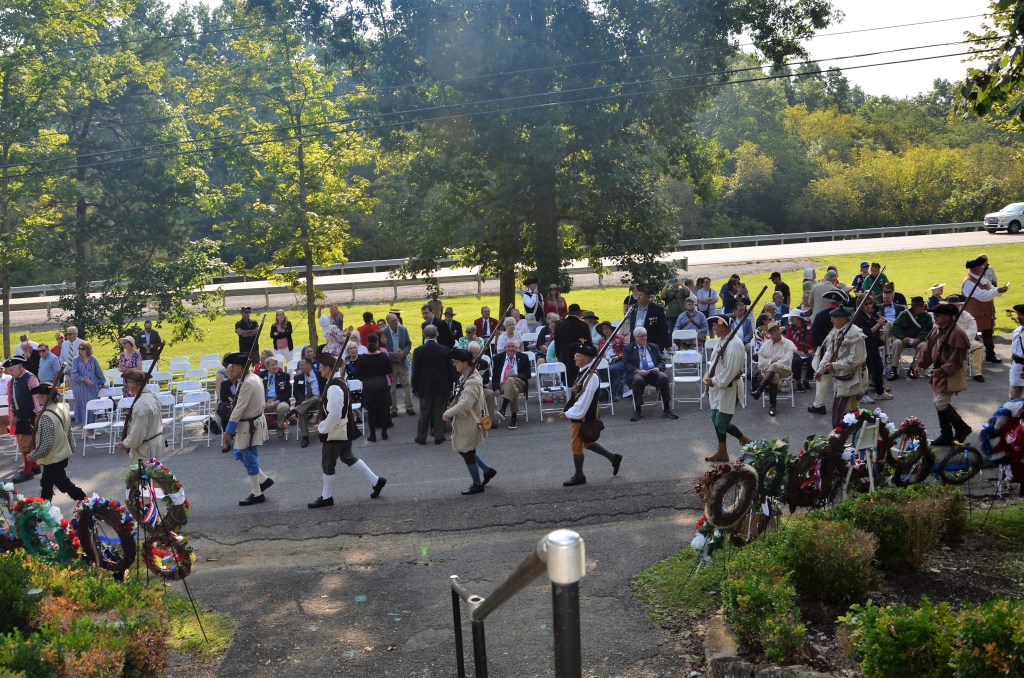
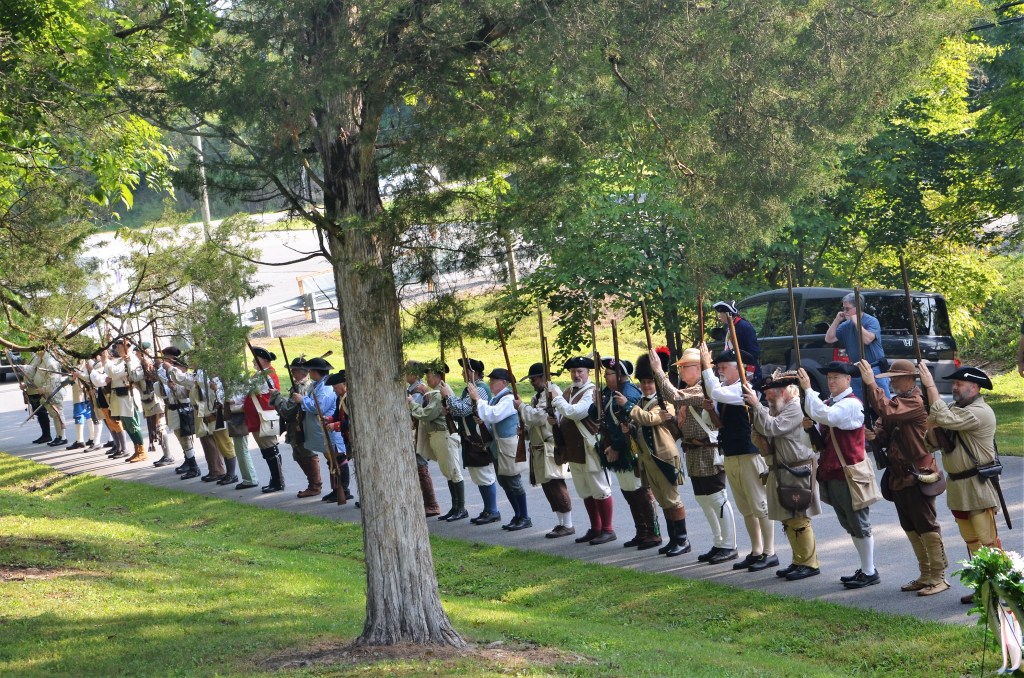
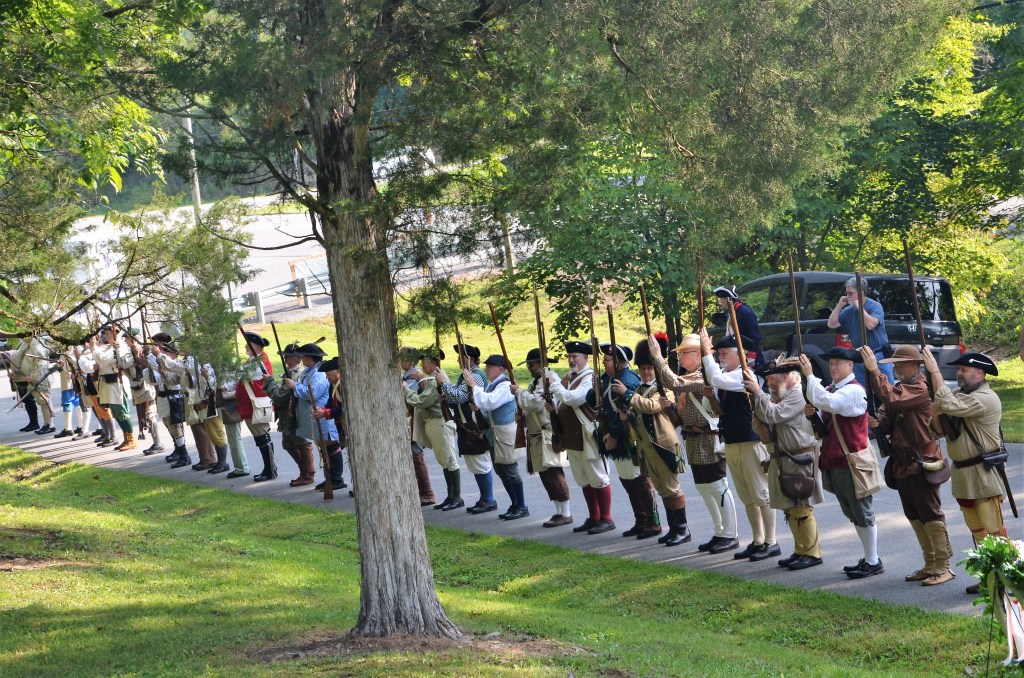
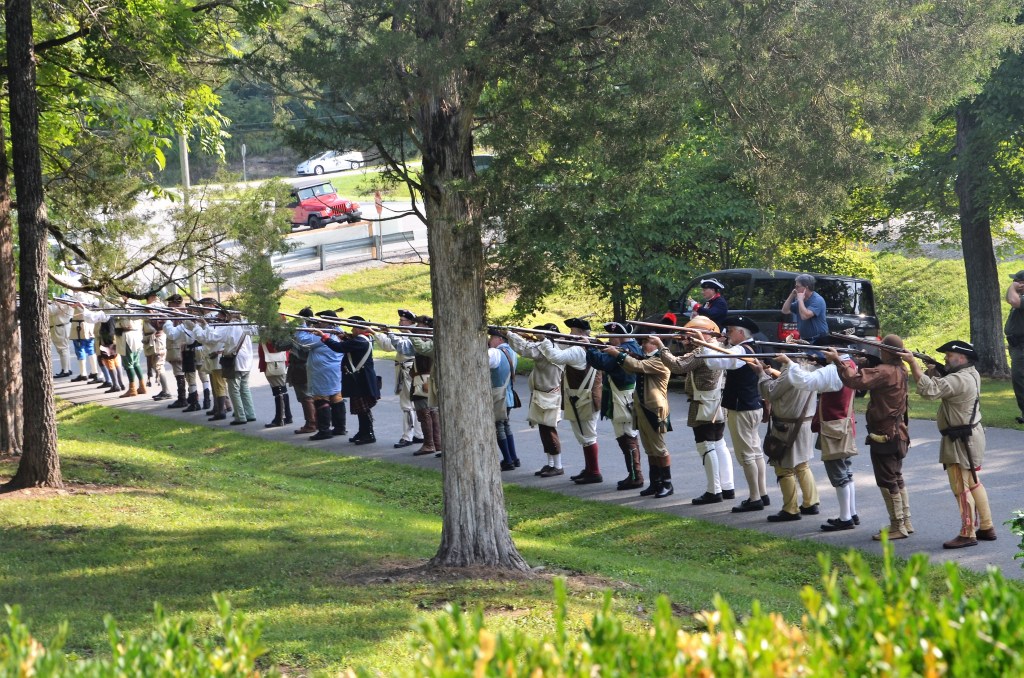
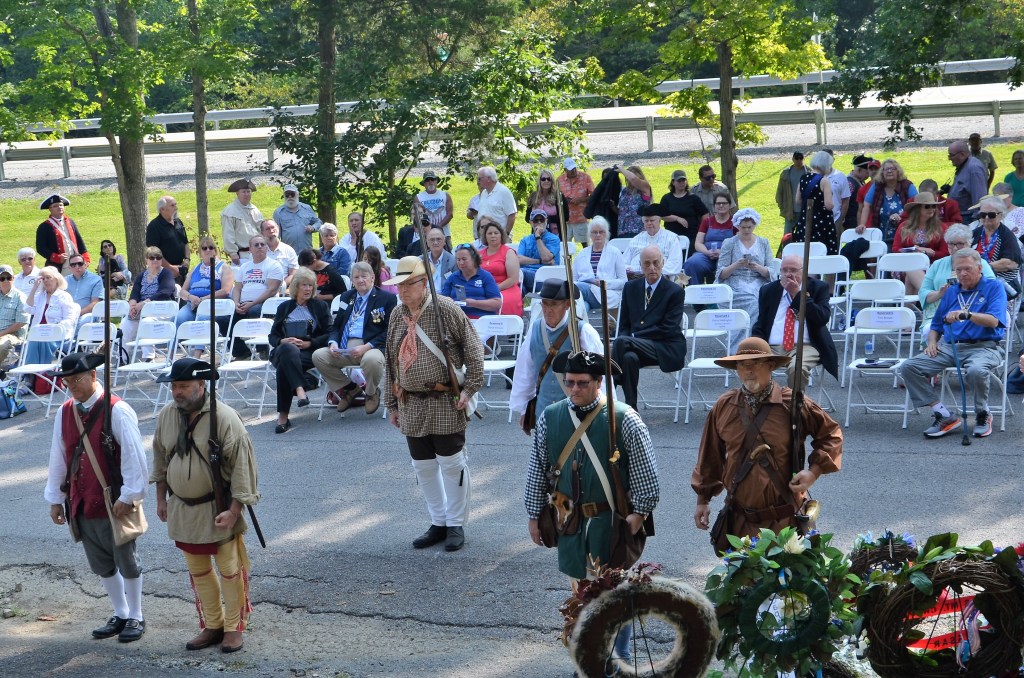
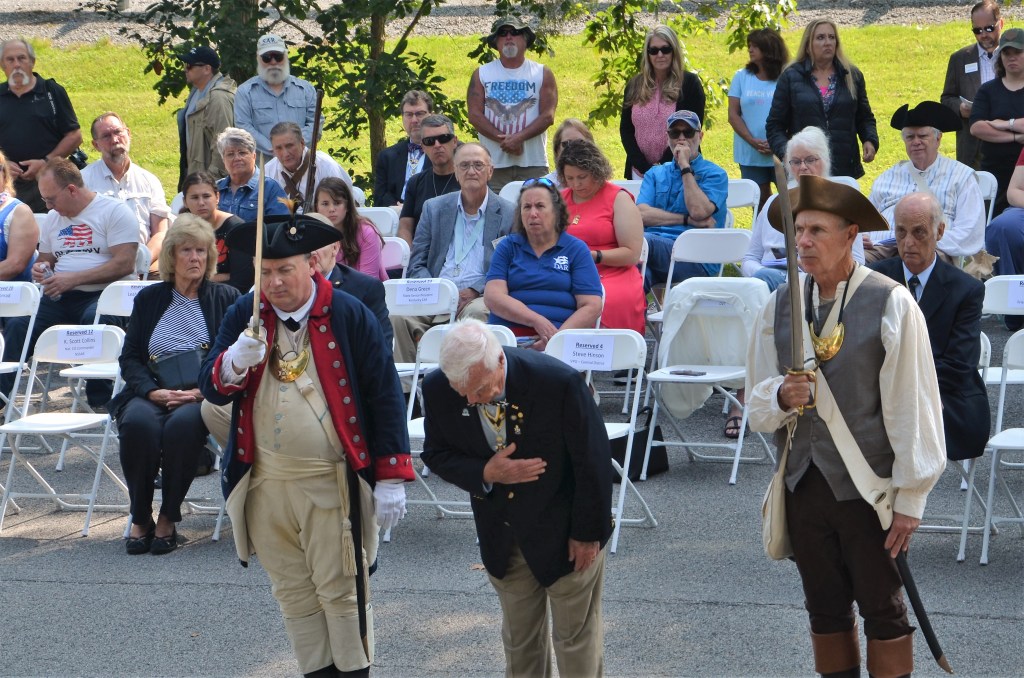
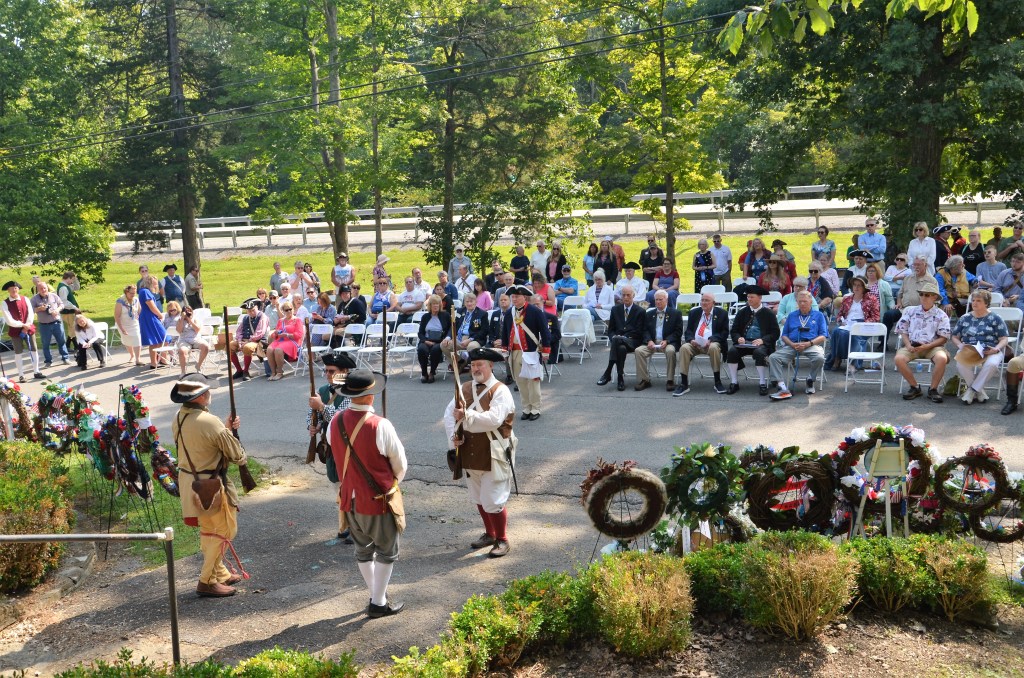
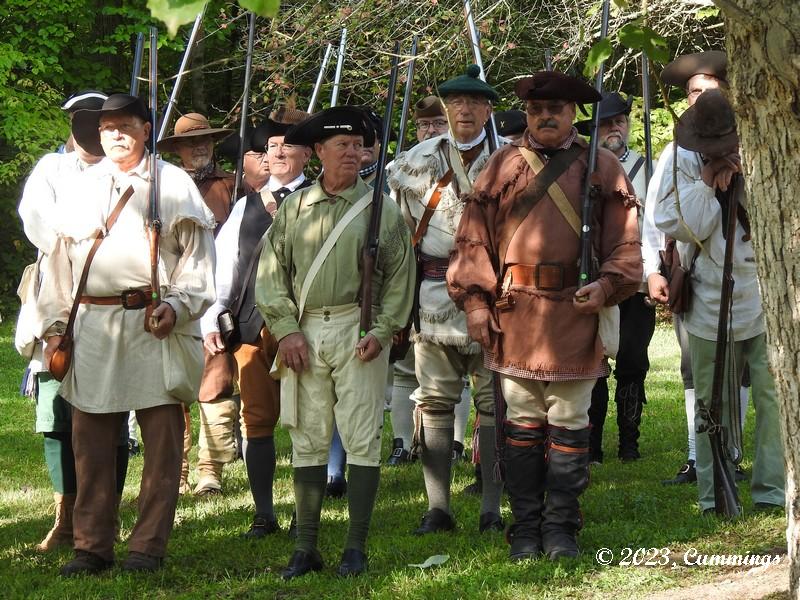
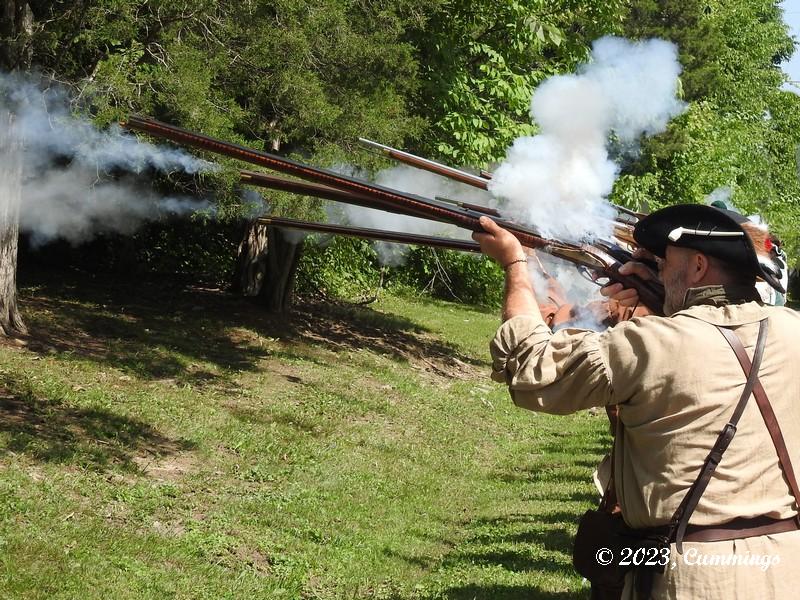
There were 89 wreaths presented Saturday the 19th and at least 31 rifle/musket men in the volley salute. There were 51 SAR chapters, 15 DAR chapters, and 4 CAR societies represented. We also had 14 SAR societies represented in the ceremony.
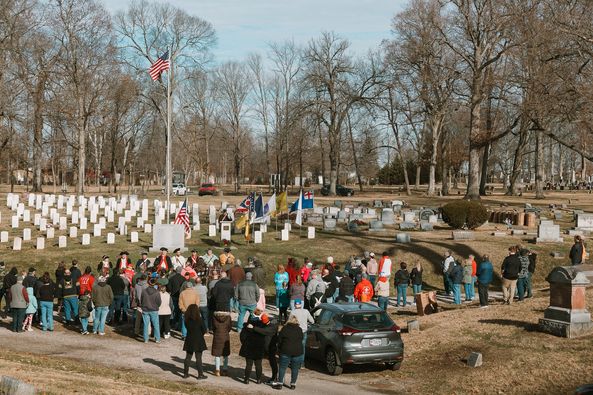
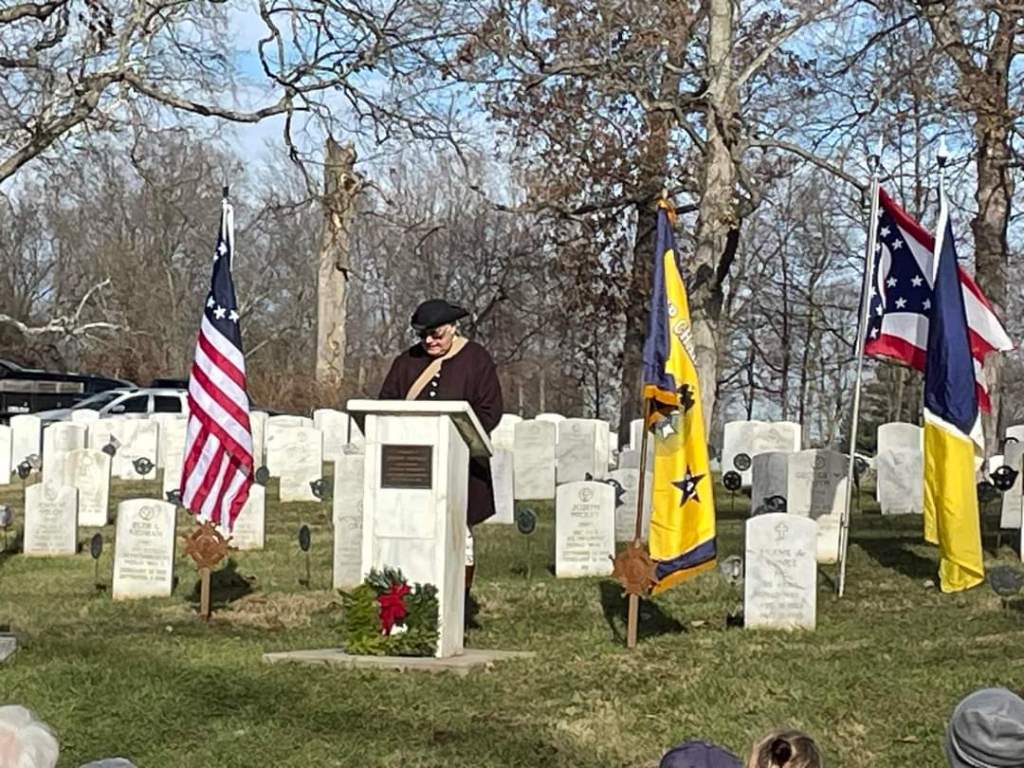
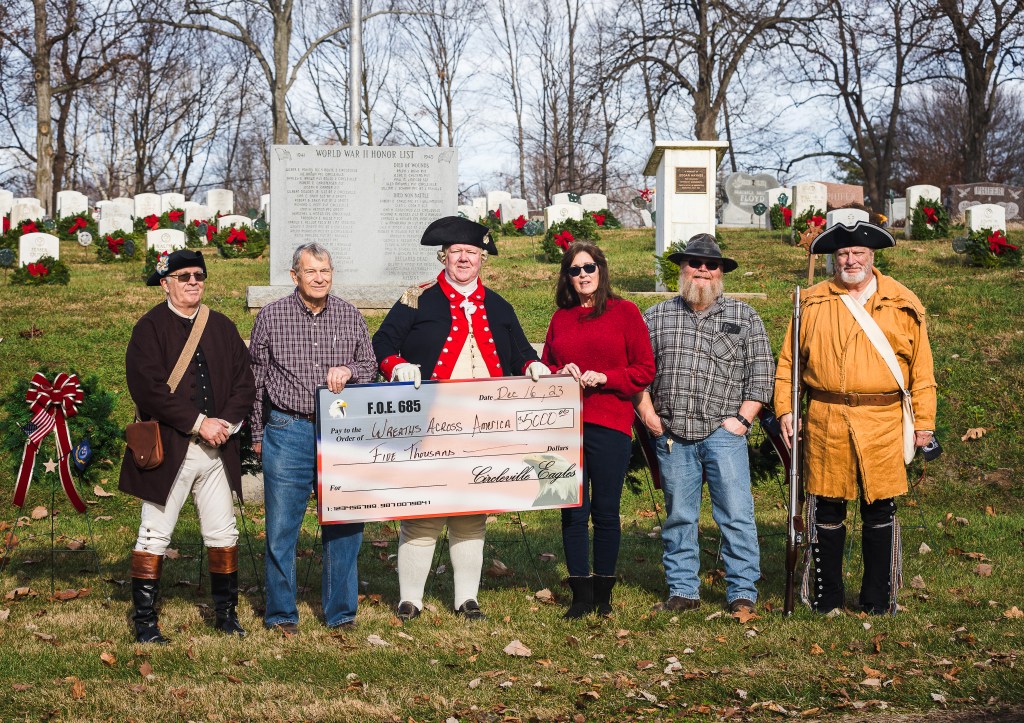
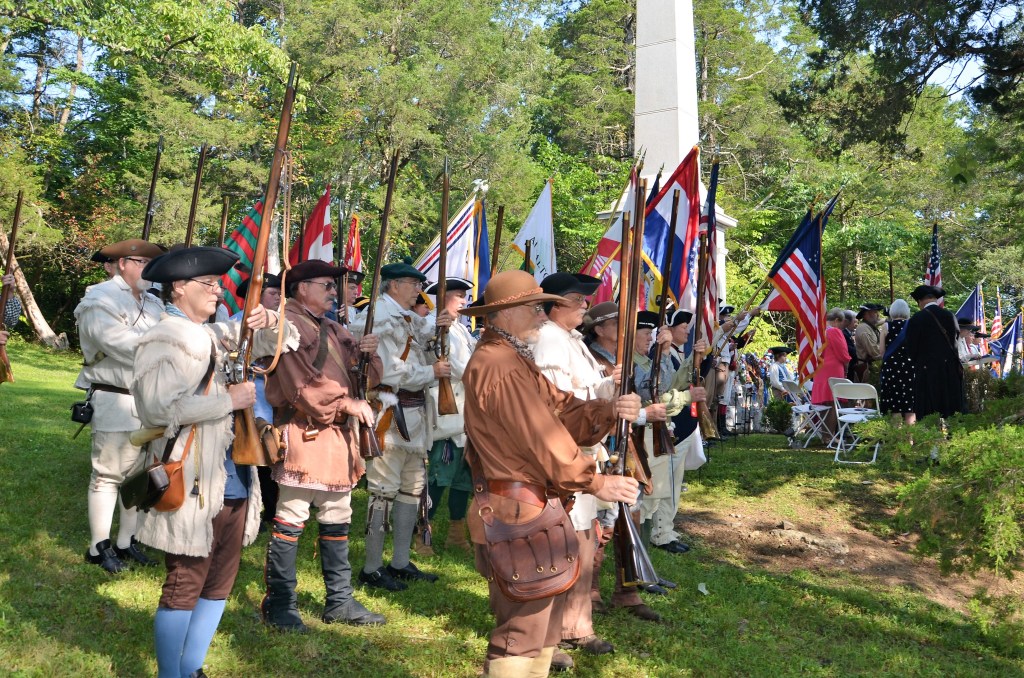
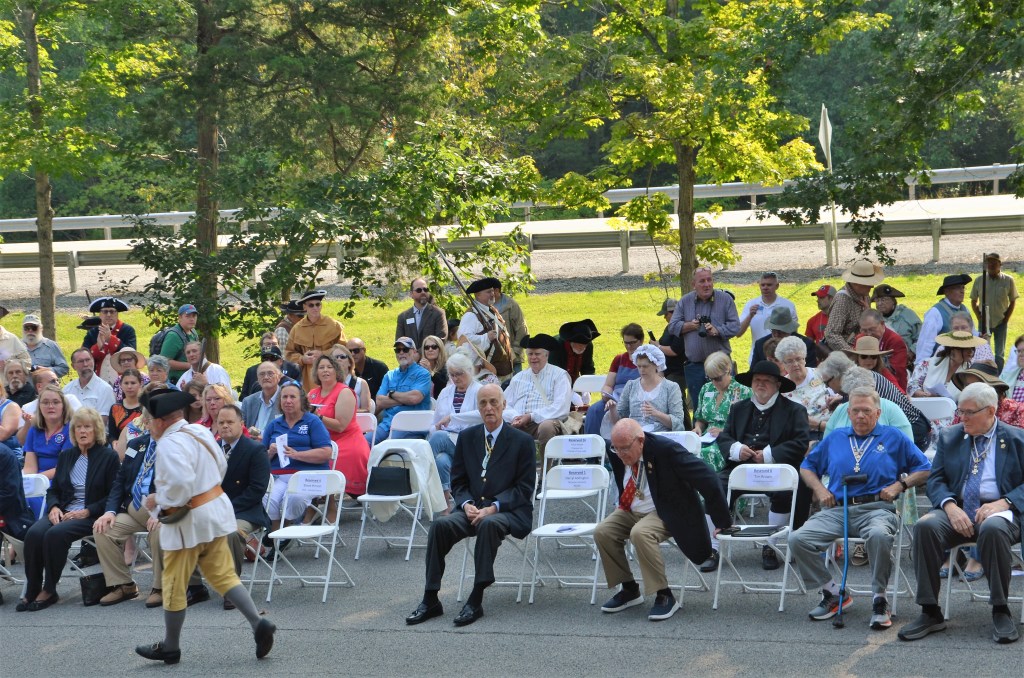
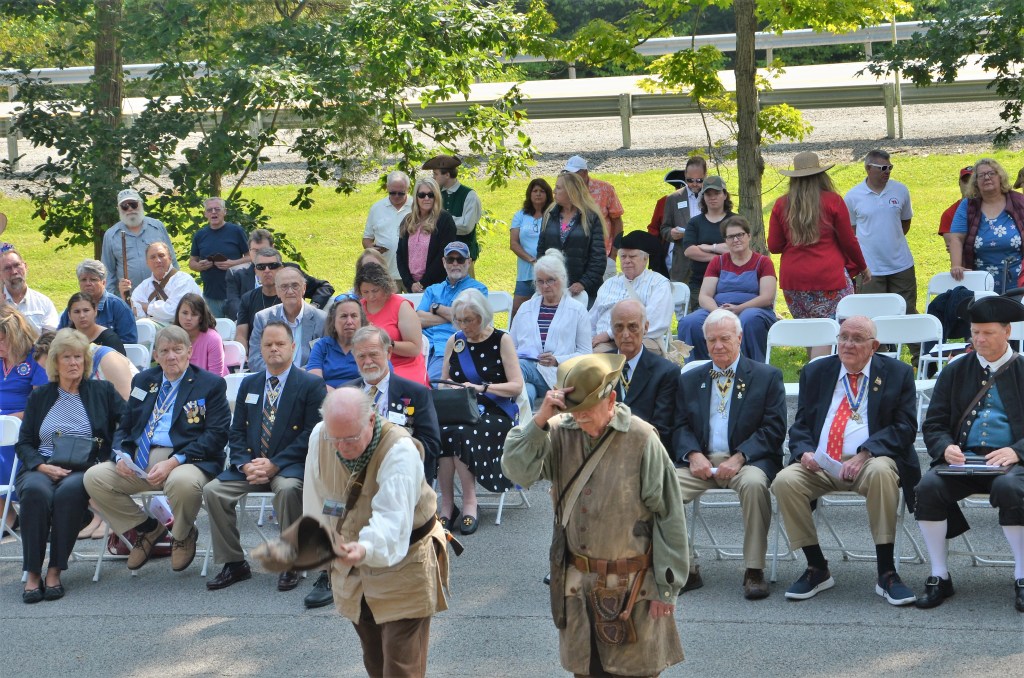
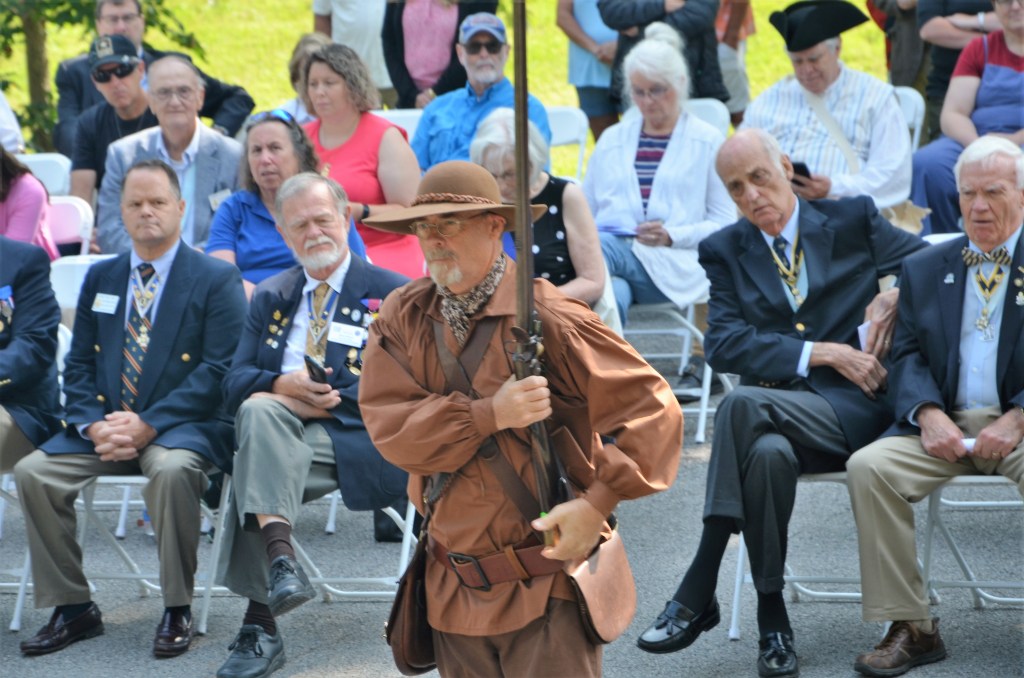
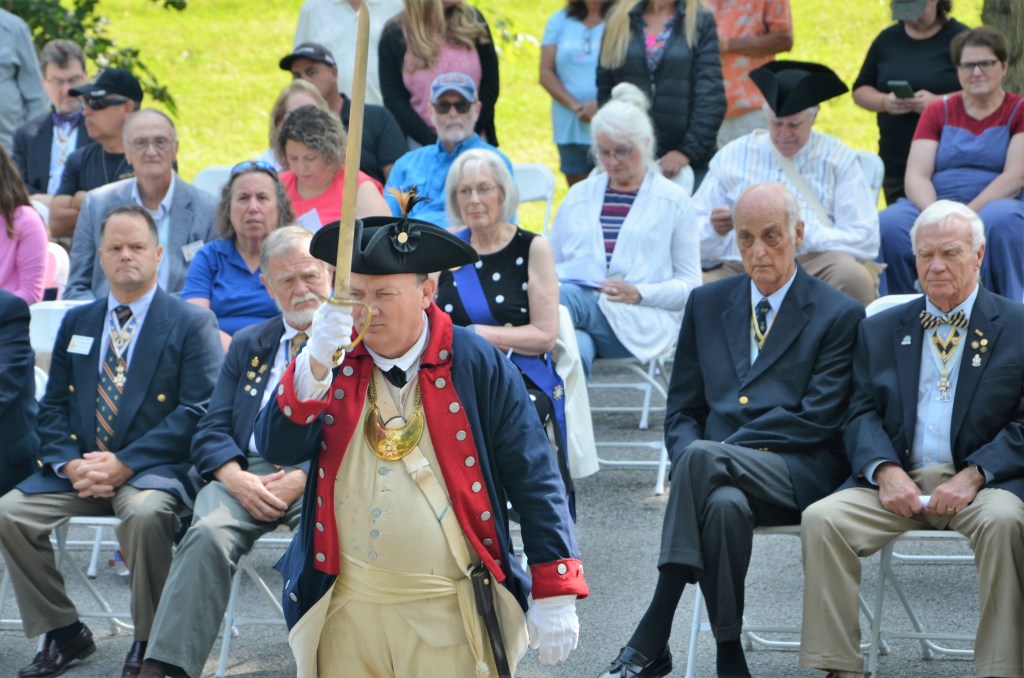
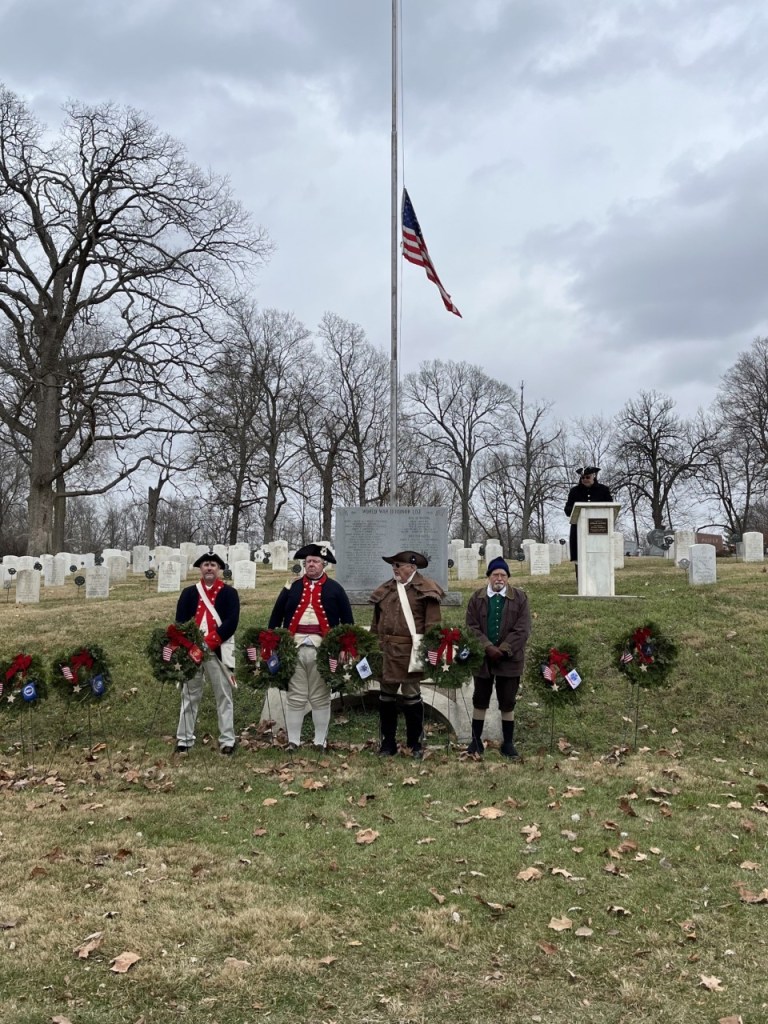
The Camp Charlotte Chapter conducted their annual Wreathes Across America ceremony at our sponsor location, Forrest Cemetery in Circleville, Ohio on December 17th, 2022. President Rick Hartinger presented the WAA presentation at 12:00 on that day which coincides with the national event conducted at Arlington National Cemetery and numerous other states, territories, and countries where service men and women who gave the ultimate sacrifice are laid at rest or represented.
Compatriots from left Rich Minshall, Tony Holbrook, Max Demp, Stephen Spicer and Rick Hartinger presenting
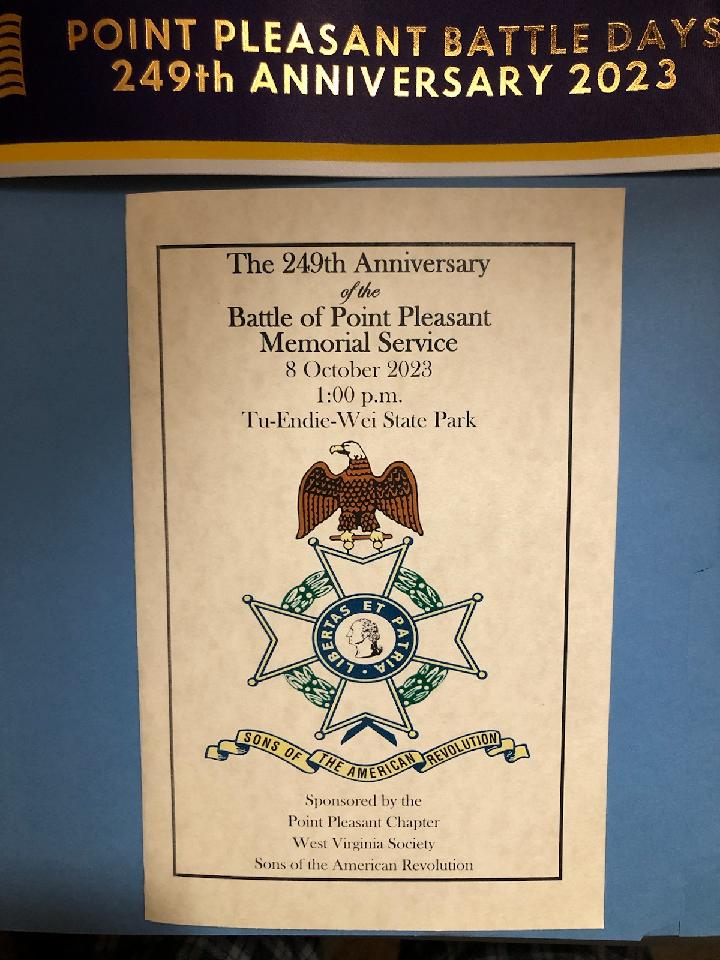
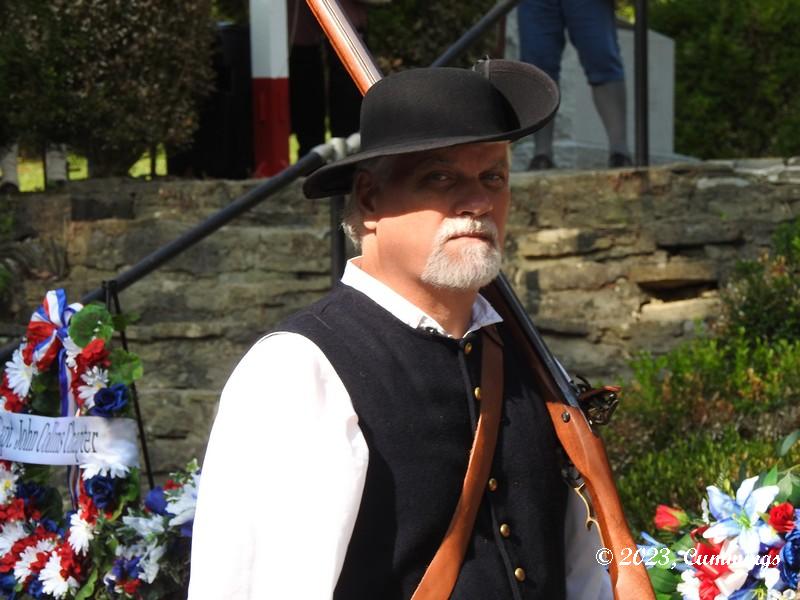
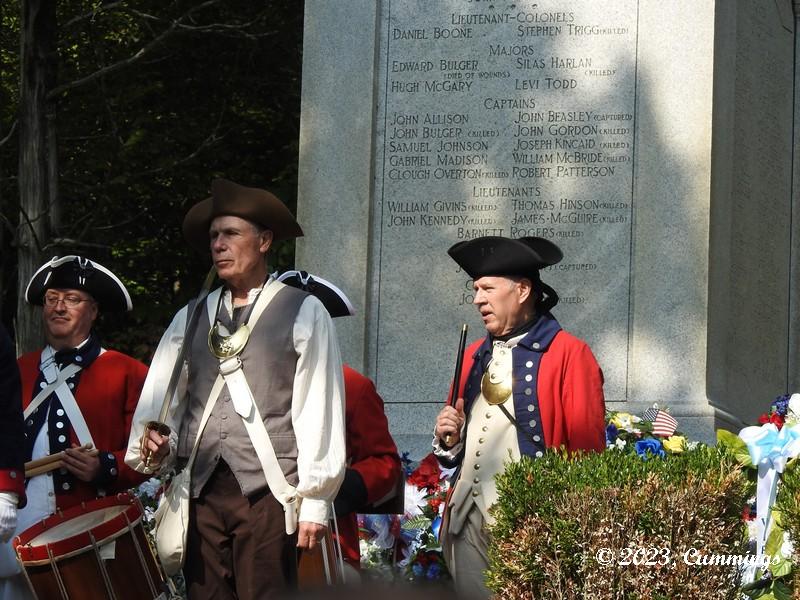
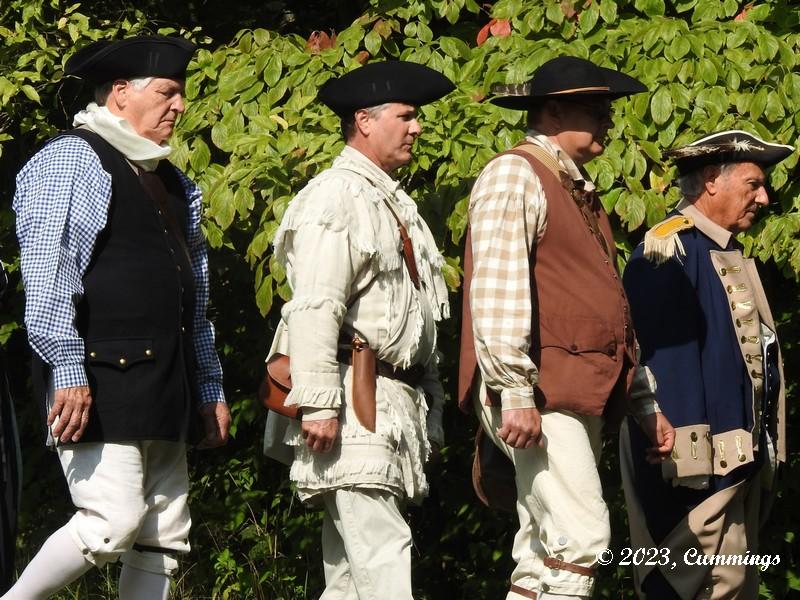
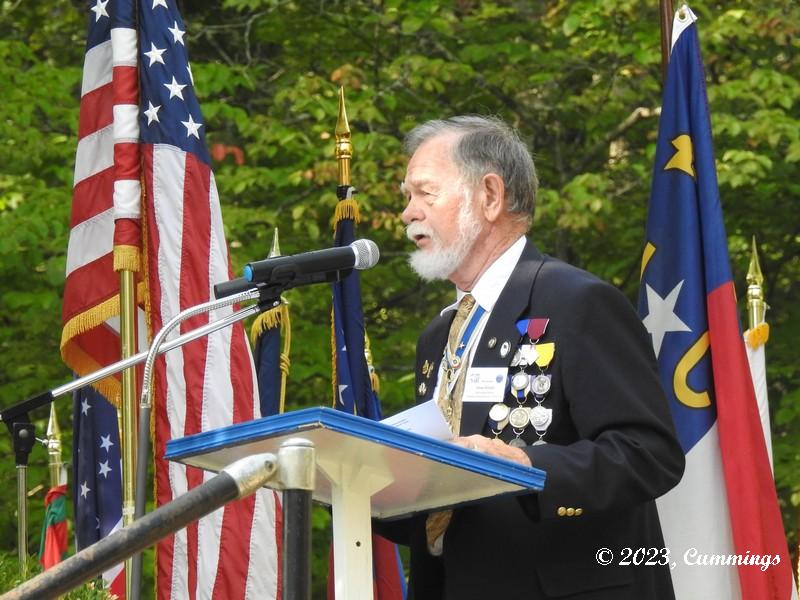
Rick Hartinger was invited to give his presentation on Camp Charlotte at Battle Days 2021. Below is a description of how the Battle at modern day Point Pleasant lead to the treaty of Camp Charlotte, located on the Pickaway Plains.
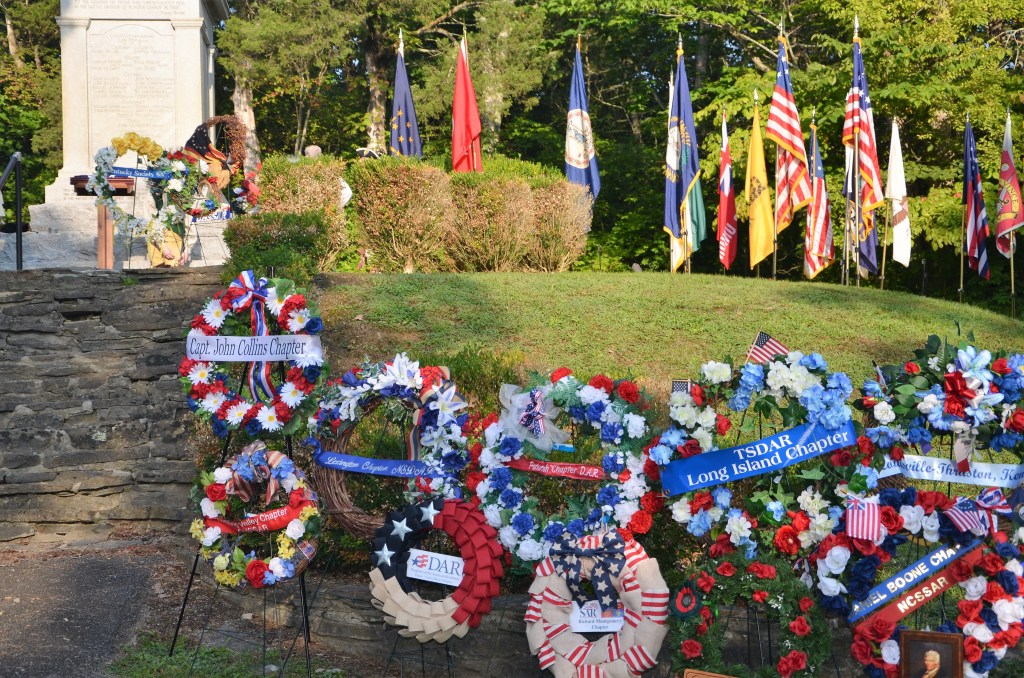
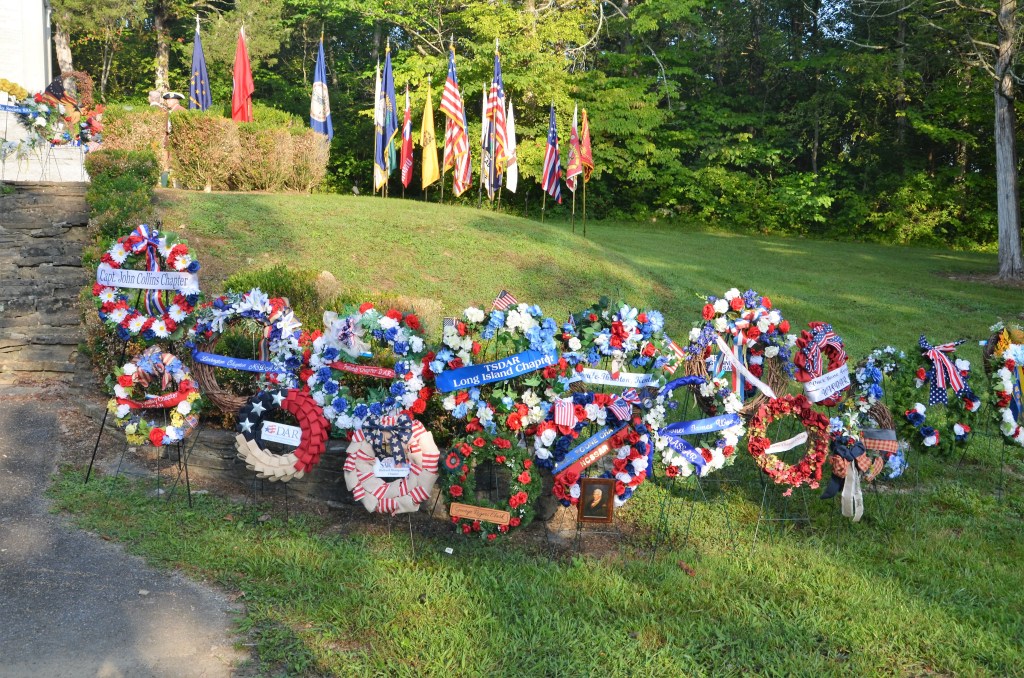
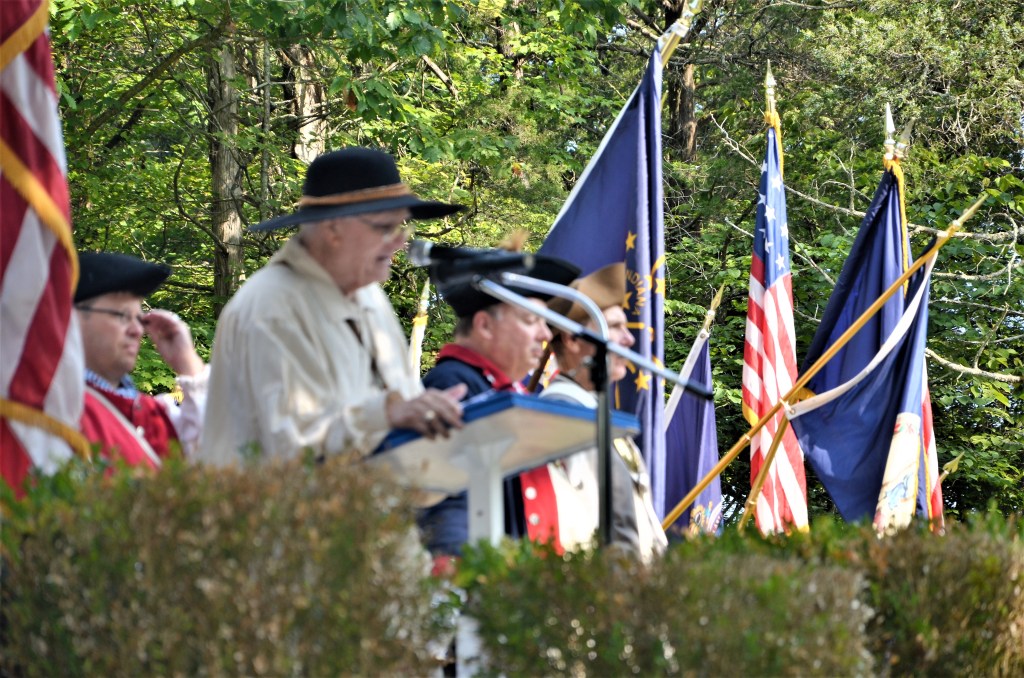
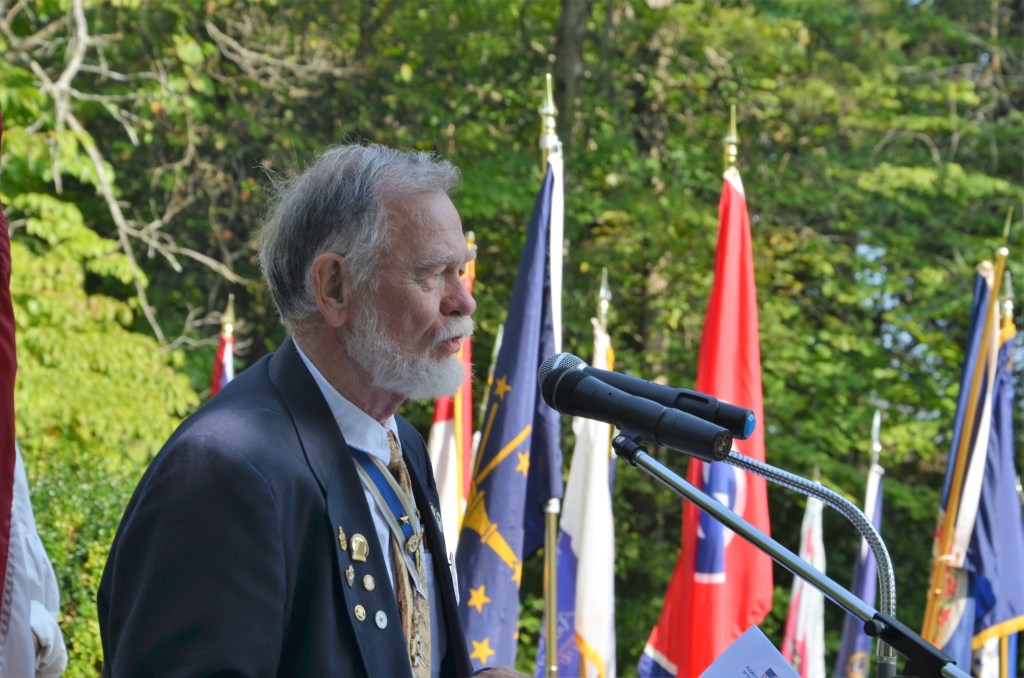
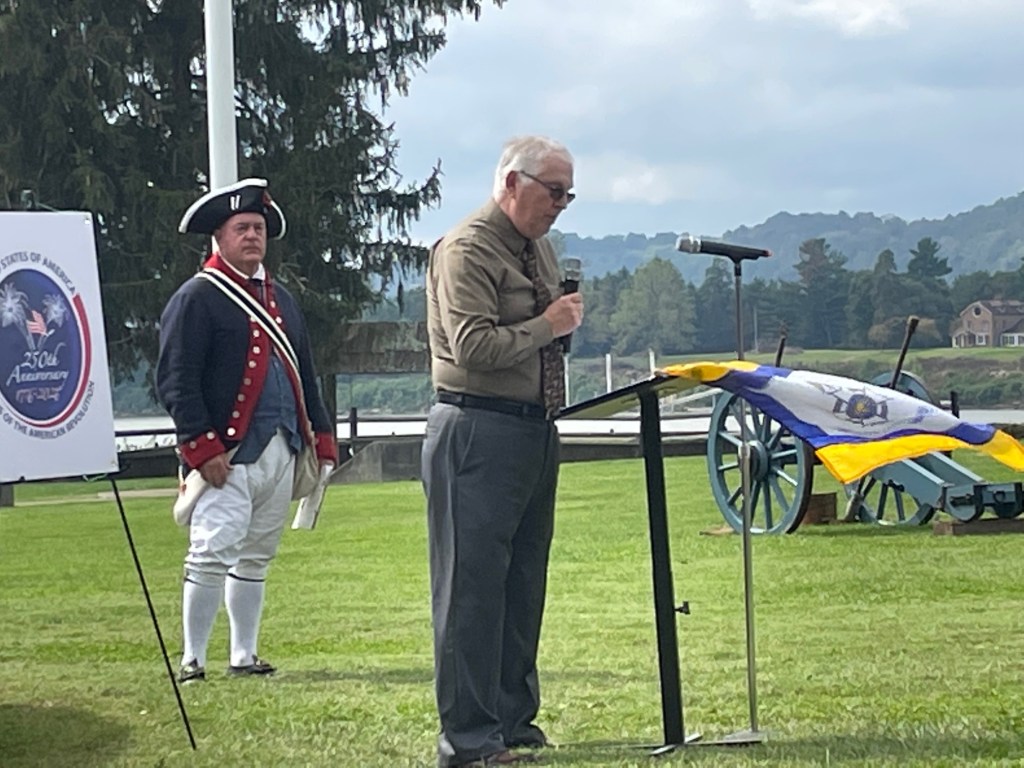
Rick Hartinger speaking a Tu-Endie-Wei State park West Virginia
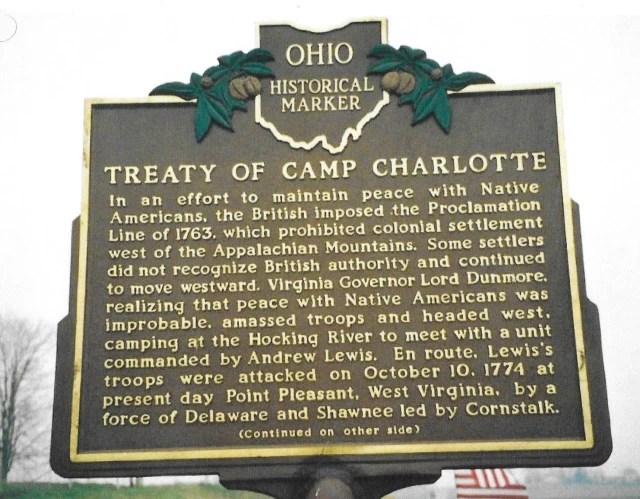
Colonel Andrew Lewis, in command of about 1,000 men, was part of a planned two-pronged Virginian invasion of the Ohio Valley. As Lewis’s force made its way down the Kanawha River, guided by pioneering hunter/trapper Matthew Arbuckle Sr.,, Lewis anticipated linking up with another force commanded by Lord Dunmore, who was marching west from Fort Pitt, then known as Fort Dunmore. Dunmore’s plan was to march into the Ohio Valley and force the indigenous inhabitants to accept Ohio River boundary which had been negotiated with the Iroquois in the 1768 Treaty of Fort Stanwix.
The Shawnee, however, had not been consulted in the treaty and many were not willing to surrender their lands south of the Ohio River without a fight. Officials of the British Indian Department, led by Sir William Johnson until his death in July 1774, worked to diplomatically isolate the Shawnee from their neighbors. As a result, when the war began, the Shawnees had few allies other than some Mingos.
Cornstalk, the Shawnee leader, moved to intercept Lewis’s army, hoping to prevent the Virginians from joining forces. Estimates of the size of Cornstalk’s force have varied, but scholars now believe Cornstalk was probably outnumbered at least 2 to 1, having between 300 and 500 warriors. Future Shawnee leader Blue Jacket probably took part in this battle.
Cornstalk’s forces attacked Lewis’s camp where the Kanawha River joins the Ohio River, hoping to trap him along a bluff. The battle lasted for hours and the fighting eventually became hand-to-hand. Cornstalk’s voice was reportedly heard over the din of the battle, urging his warriors to “be strong.” Lewis sent several companies along the Kanawha and up a nearby creek to attack the warriors from the rear, which reduced the intensity of the Shawnee offensive. Captain George Mathews was credited with a flanking maneuver that initiated Cornstalk’s retreat. At nightfall, the Shawnees quietly withdrew back across the Ohio. The Virginians had held their ground, and thus are considered to have won.
The Virginians lost about 75 killed and 140 wounded. The Shawnee’s losses could not be determined, since they carried away their wounded and threw many of the dead into the river. The next morning, Colonel Christian, who had arrived shortly after the battle, marched his men over the battlefield. They found twenty-one dead warriors in the open, and twelve more were discovered hastily covered with brush and old logs. Among those killed was Pucksinwah, the father of Tecumseh.
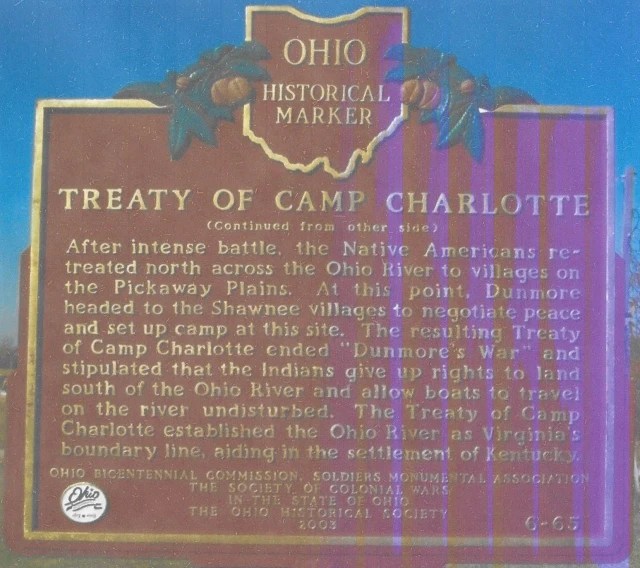
The Battle of Point Pleasant forced Cornstalk to make peace in the Treaty of Camp Charlotte, ceding to Virginia the Shawnee claims to all lands south of the Ohio River (today’s states of Kentucky and West Virginia). The Shawnee were also obligated in the Treaty of Camp Charlotte to return all white captives and stop attacking barges of immigrants traveling on the Ohio River.
In April 1775, before many of the Virginians had even returned home from Dunmore’s War, the battles of Lexington and Concord took place in Massachusetts. The American Revolution had begun and Lord Dunmore led the British war effort in Virginia. By the end of that year, the same militiamen who had fought at Point Pleasant managed to drive Lord Dunmore and the British troops supporting him out of Virginia.
Before his expulsion, Dunmore had sought to gain indigenous allies, including the Shawnee the militia had defeated at Point Pleasant. Many Virginians suspected he had collaborated with the Shawnee from the beginning. They claimed Dunmore had intentionally isolated the militia under Andrew Lewis, meaning for the Shawnee to destroy them before the Royal Army troops arrived. Dunmore hoped to eliminate the militia in case a rebellion did break out. However, there is no evidence to support this theory and it is generally discounted.
On February 21, 1908, the United States Senate passed Bill Number 160 to erect a monument commemorating the Battle of Point Pleasant. It cites Point Pleasant as a “battle of the Revolution”. The bill failed in the House of Representatives.
Nevertheless, the Battle of Point Pleasant is honored as the first engagement of the American Revolution during “Battle Days”, an annual festival in modern Point Pleasant, now a city in West Virginia.
It’s Again, Wreaths Across America Time. Join us in sponsoring The National Wreaths across America December 18, 2021 The Camp Charlotte Chapter #41 will be accepting donations and purchase orders for Veteran Grave Wreaths. Wreaths are $15.00 each. More at: https://campcharlottesar.org/ Email: campcharlottechaptersar@gmail.com Contact us at: 740.477.1072 R. Lear, Treasurer Camp Charlotte Chapter SAR









 Camp Charlotte Chapter #41-Sons of the American Revolution