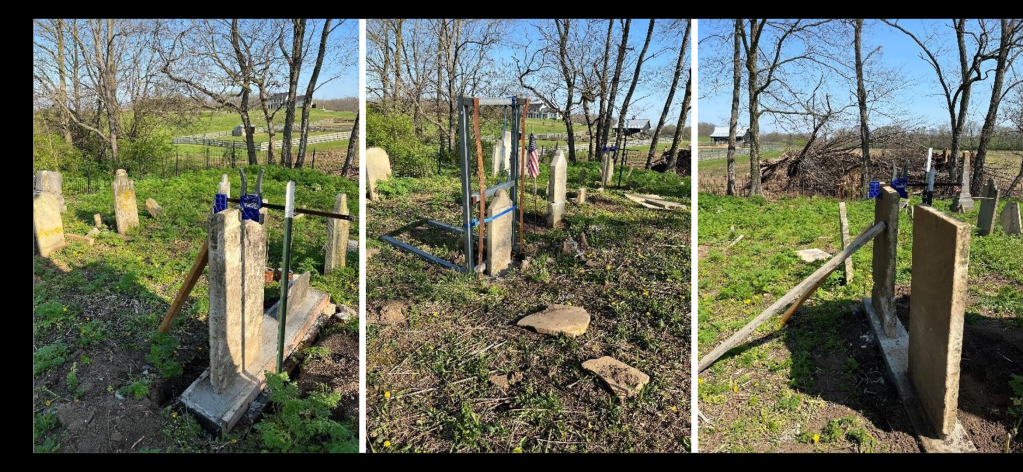
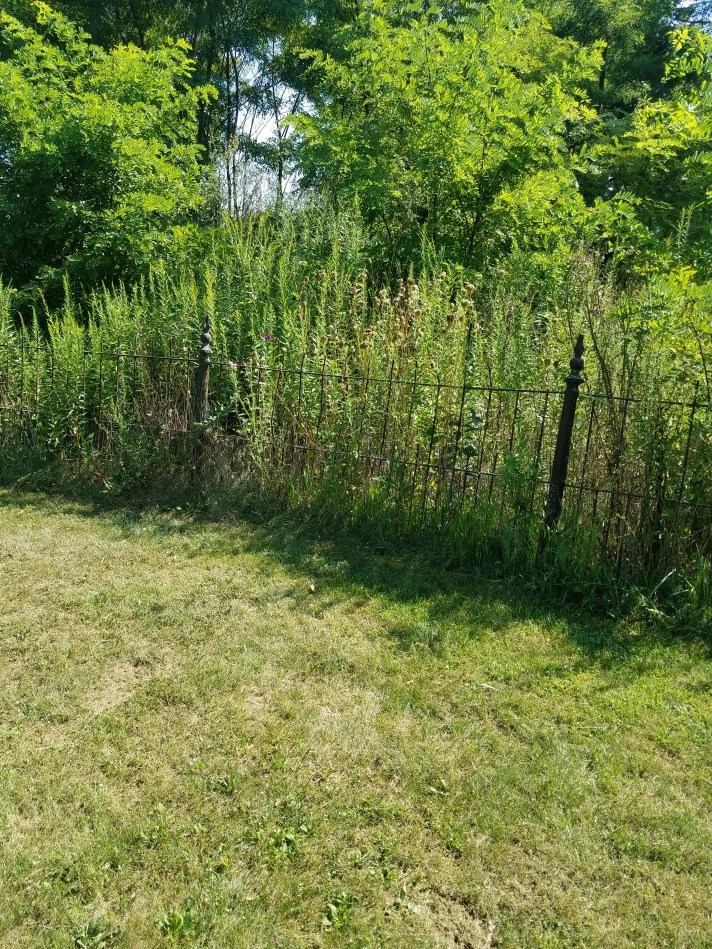
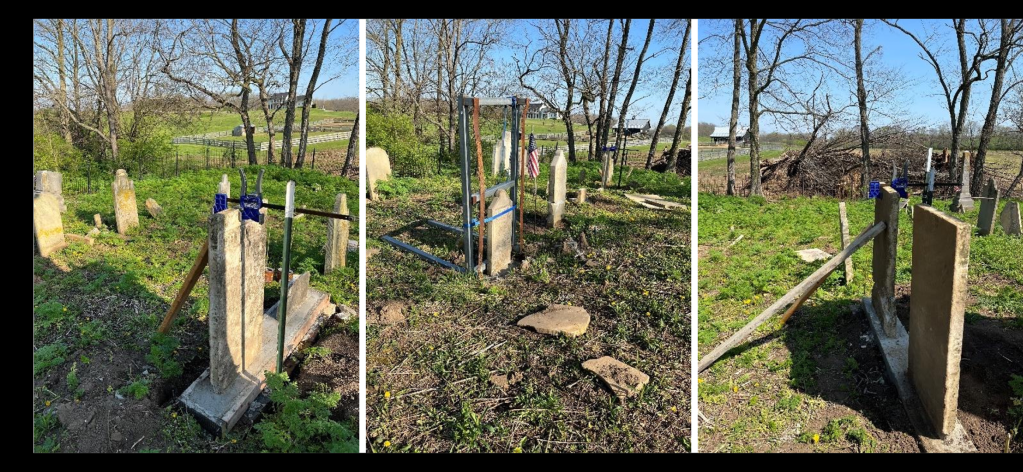
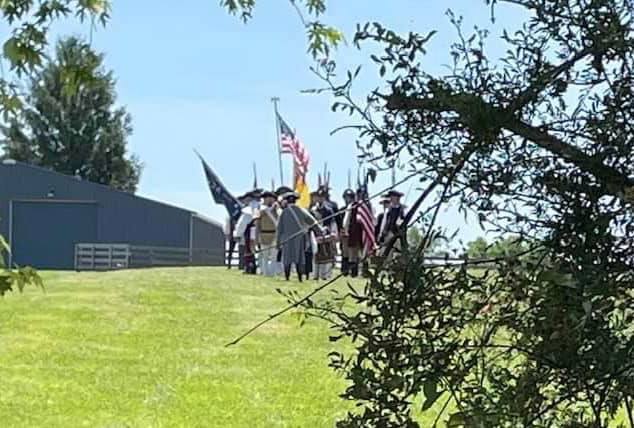
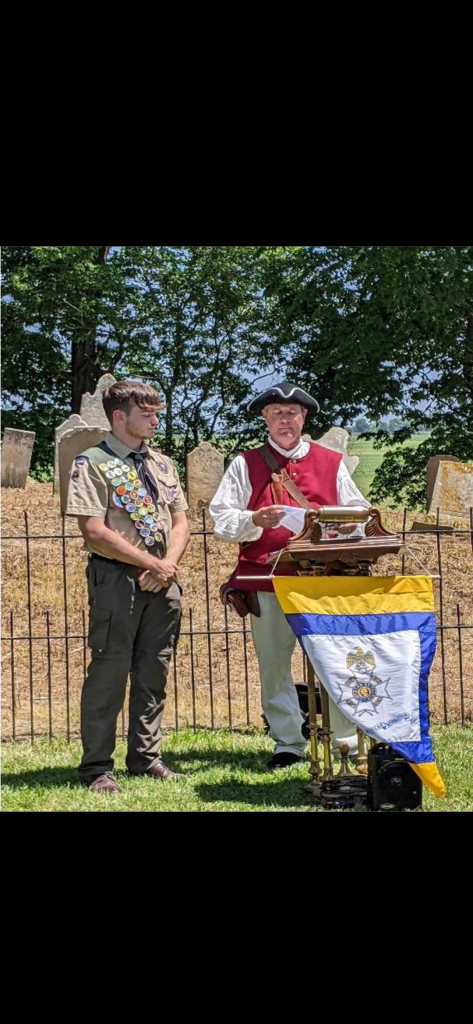
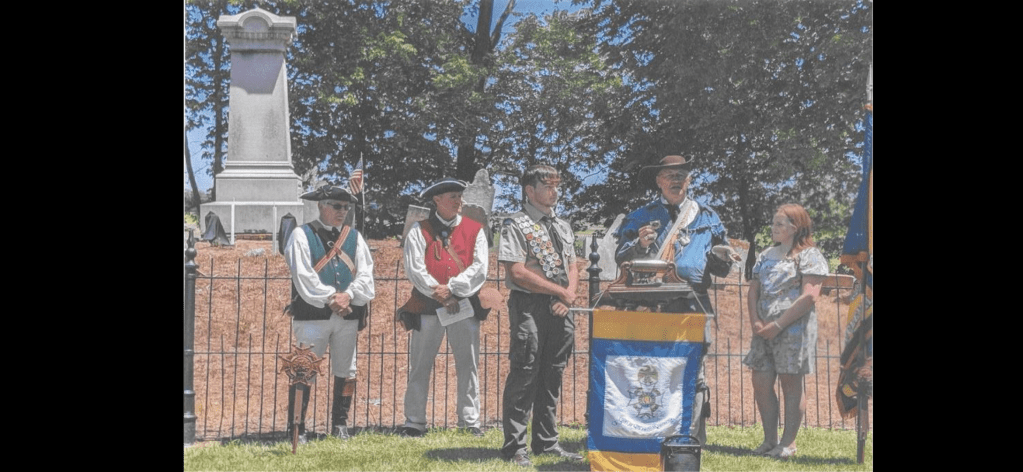
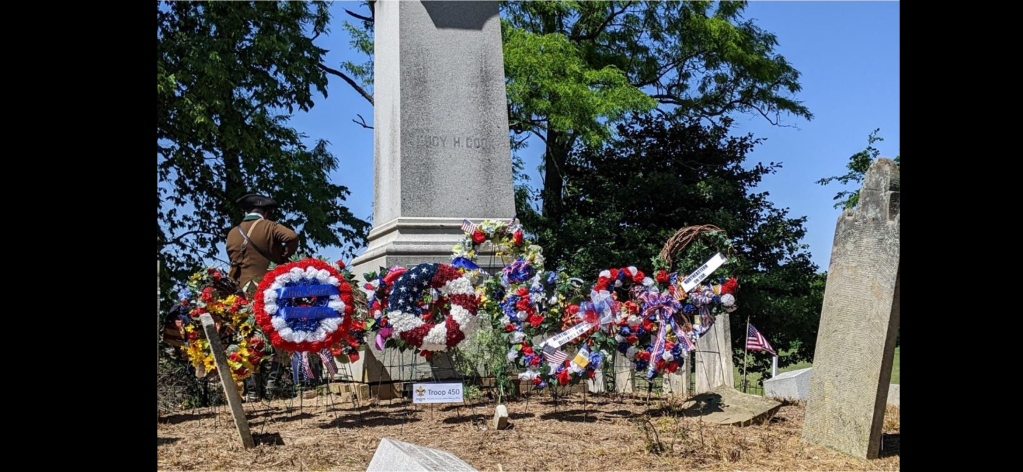
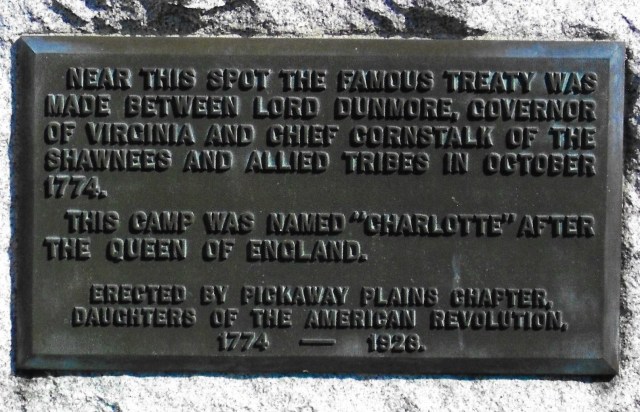
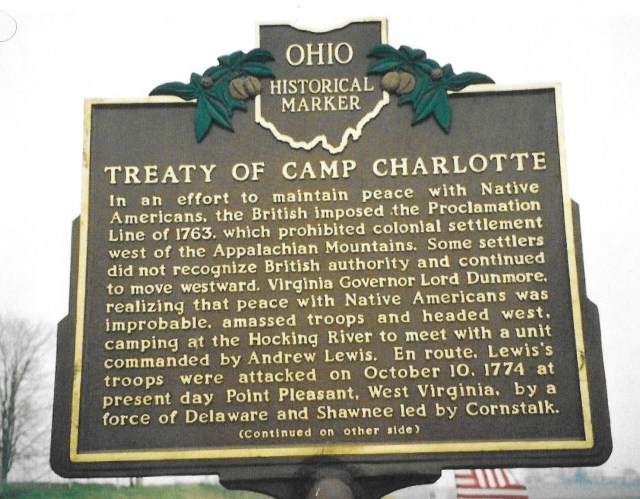
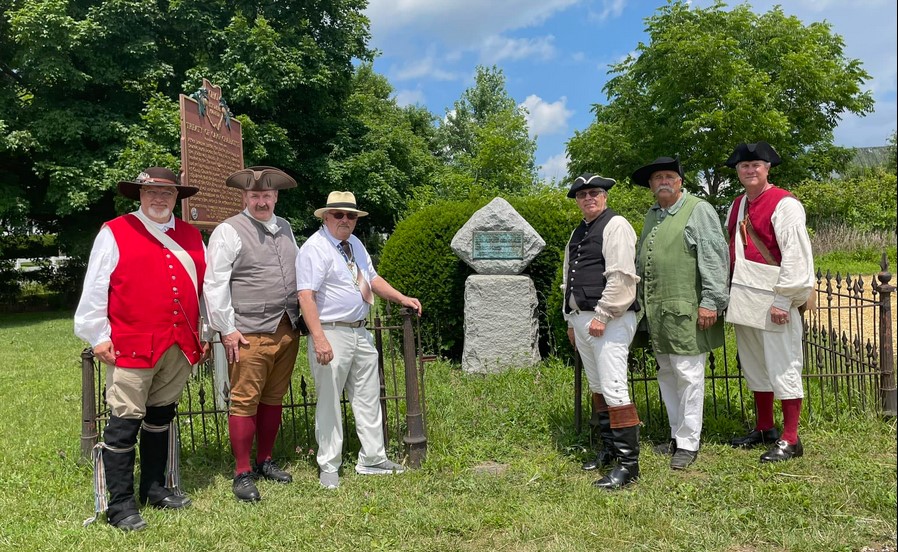
A descendant from The State of Arizona of Revolutionary War patriot John Boggs Sr. wishes to have the Camp Charlotte Chapter of the OHSSAR conduct a grave marking ceremony of the behalf of his ancestor and other patriots buried at the cemetery. The cemetery has been clearly neglected for a number years and our chapter will be dedicated to returning it to a state that it should be in. We are currently working with a Scout from a Troop in Chillicothe who is currently working on conducting this cleanup as an Eagle Scout Project.
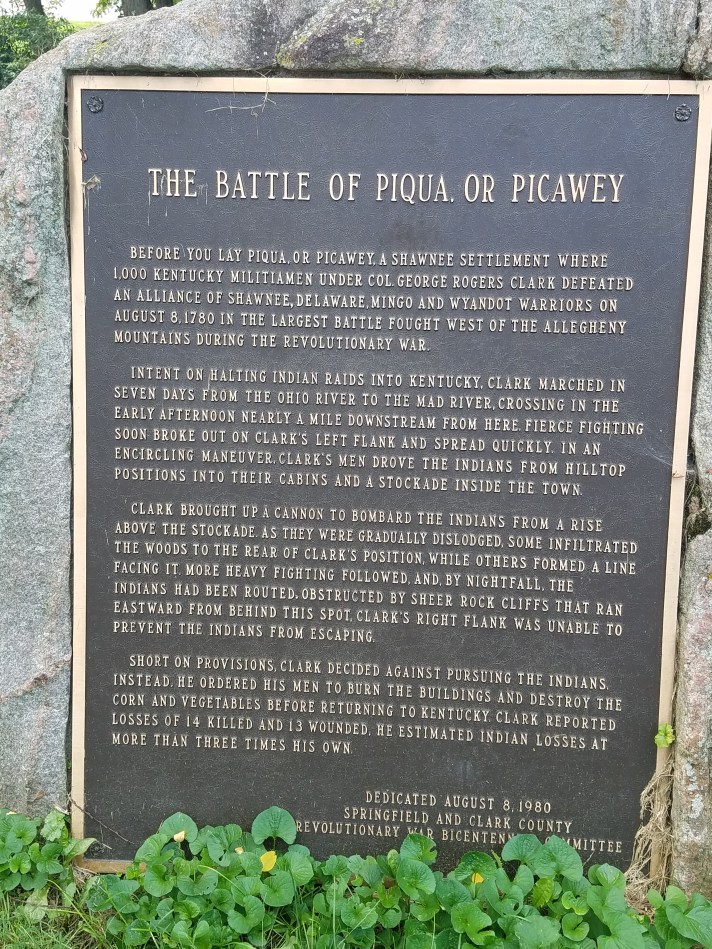
The Battle of Piqua, (aka Battle of Pekowee or Pekowi) was part of the Western Theater campaign during the Revolutionary War. Led by Brigadier General George Rogers Clark, over 1,000 soldiers (among them Daniel Boone and Simon Kenton) crossed the Ohio River near present-day Cincinnati and burned five Shawnee villages, including Old Chillicothe, along the Little Miami River. Peter Loramie’s Store, a British trading post-located in what was later Fort Loramie, Ohio in Shelby County, Ohio, was also burned by Clark’s men.
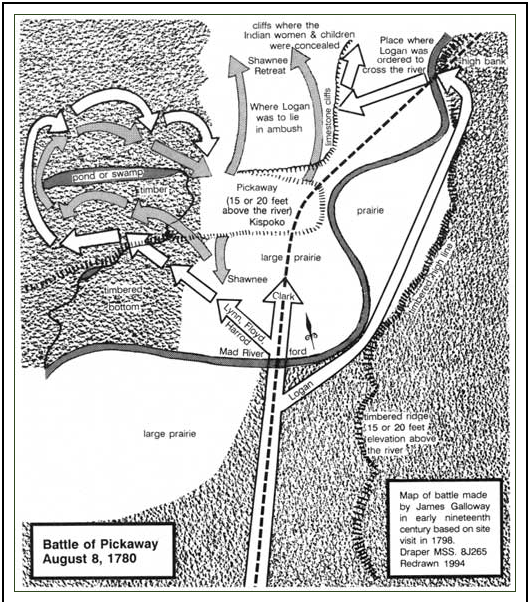
The Shawnee gradually withdrew during the first few days before finally engaging American forces 7 miles west of Springfield, Ohio on August 8. Joseph Rogers, a cousin of George Rogers Clark, had previously accompanied him to Kentucky and was later captured by the Shawnee near Maysville. Despite having been adopted by the tribe, he was killed during the battle while trying to join American forces.
After several hours of fighting, both sides suffered moderate casualties before scattering the small Shawnee rearguard. The campaign against the Shawnee in the Miami River Valley was intended to discourage further raids against Kentucky and other parts of the American frontier, and while no further raids were made by the Shawnee for the remainder of the American Revolutionary War, hostility greatly increased among the tribes living in the Ohio Country for years afterwards.
The battle was the only major engagement fought in Ohio during the Revolutionary War.
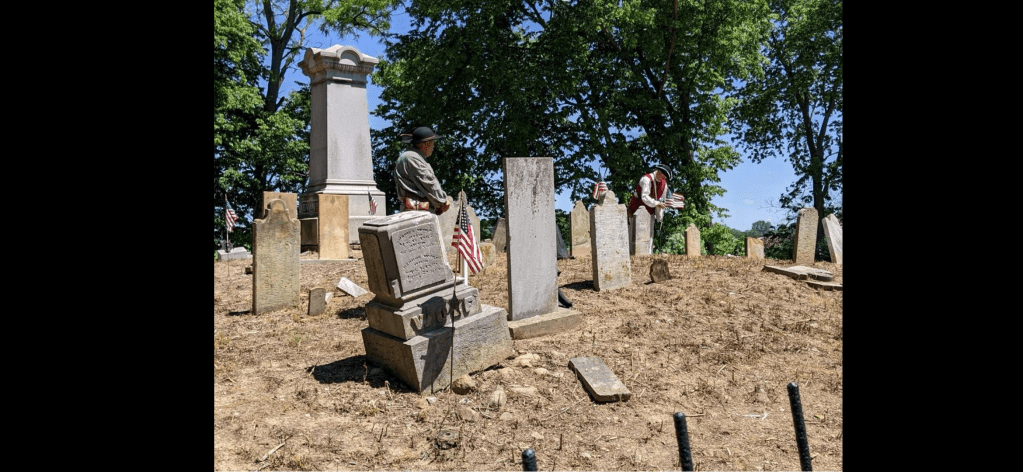
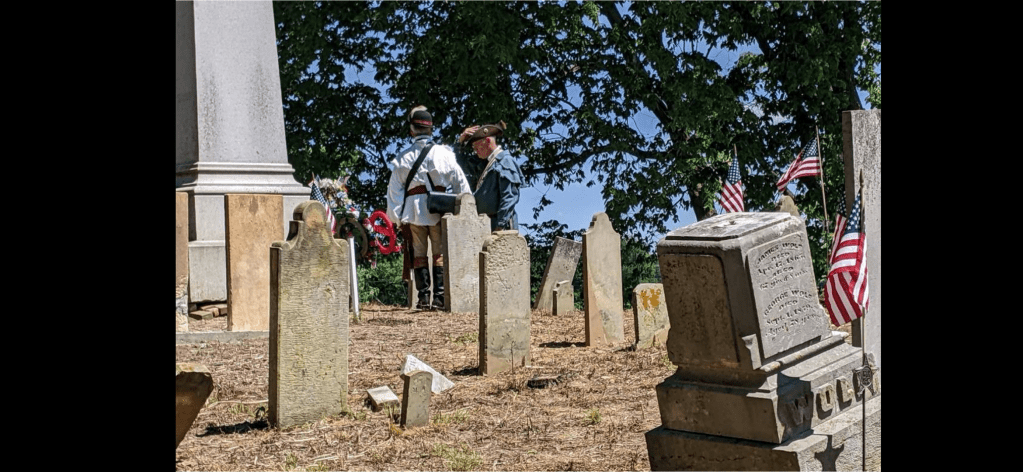
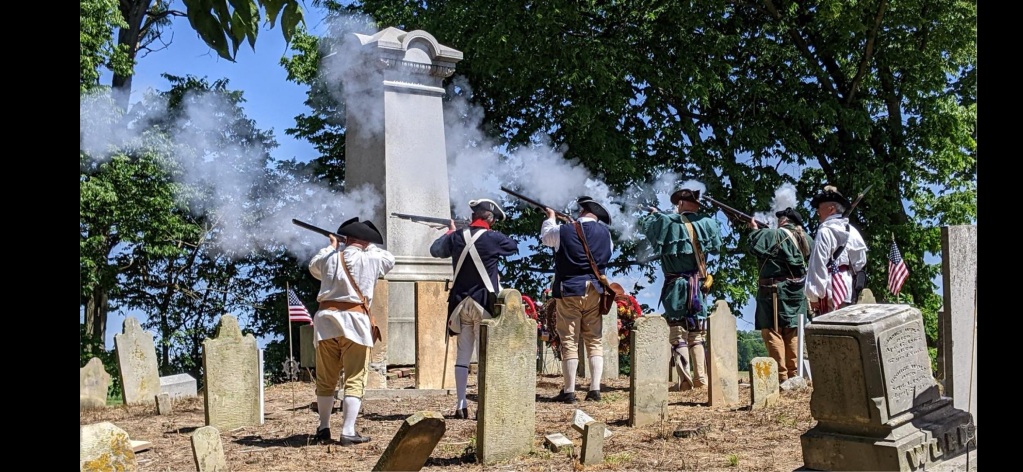

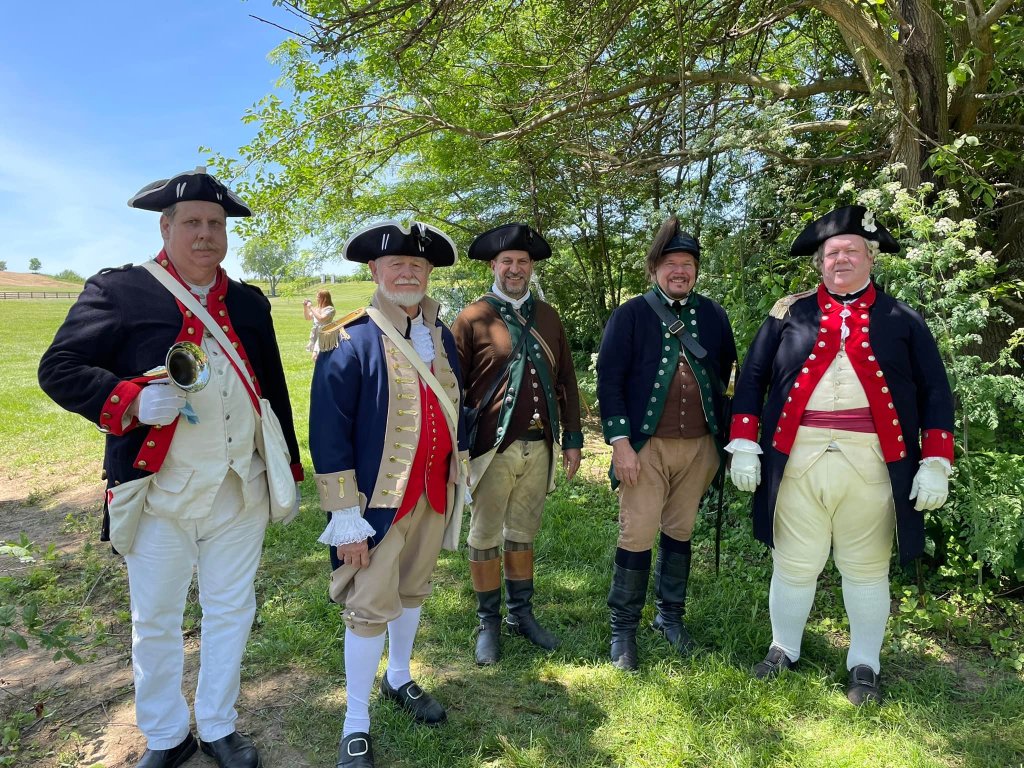
 Camp Charlotte Chapter #41-Sons of the American Revolution