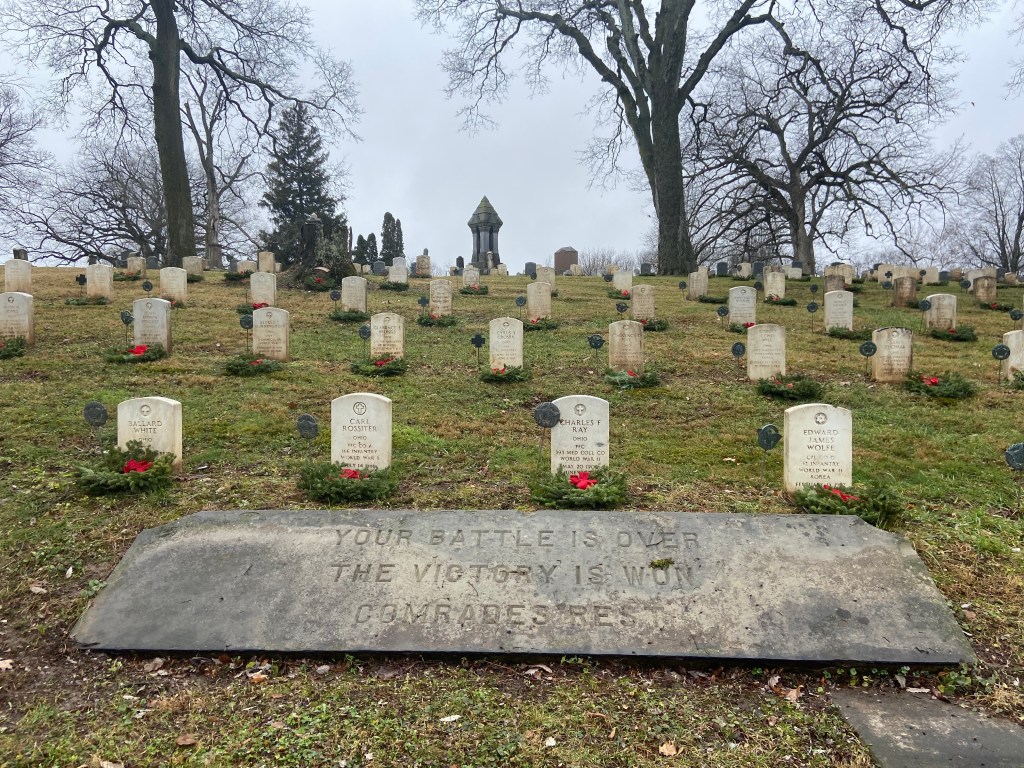
While we have Veterans Day in the fall and Memorial Day in the spring, our servicemen and women sacrifice their time and safety every single day of the year, to preserve our freedoms. And in many homes across the U.S., every day there is an empty seat for one who is serving, or one who made the ultimate sacrifice for our country. That is why our mission to Remember, Honor and Teach lasts all year long, far beyond the single day in December when we coordinate wreath-laying ceremonies. All throughout the year, Wreaths Across America works in a number of ways to show our veterans and their families that we will not forget—we will never forget.
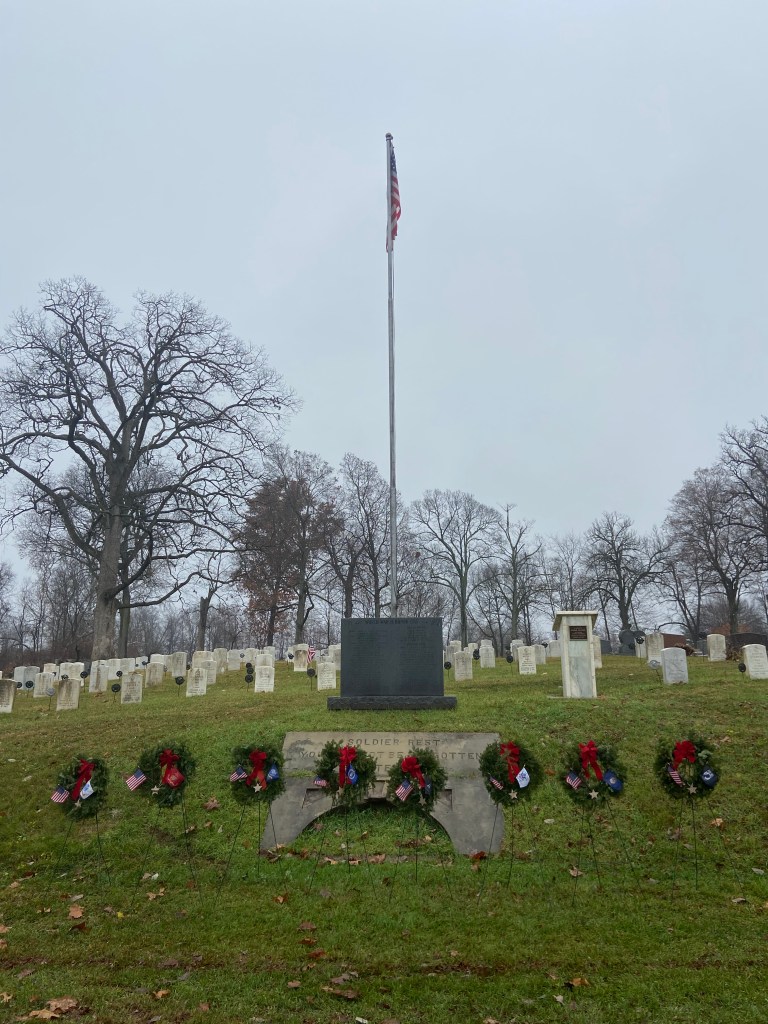
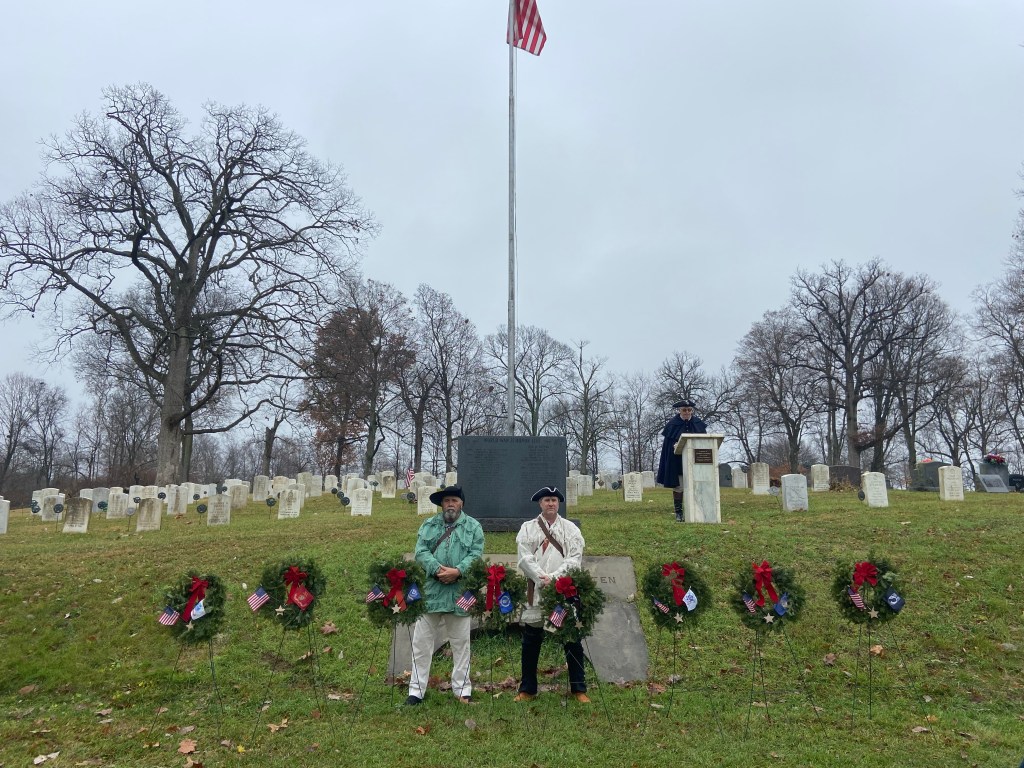
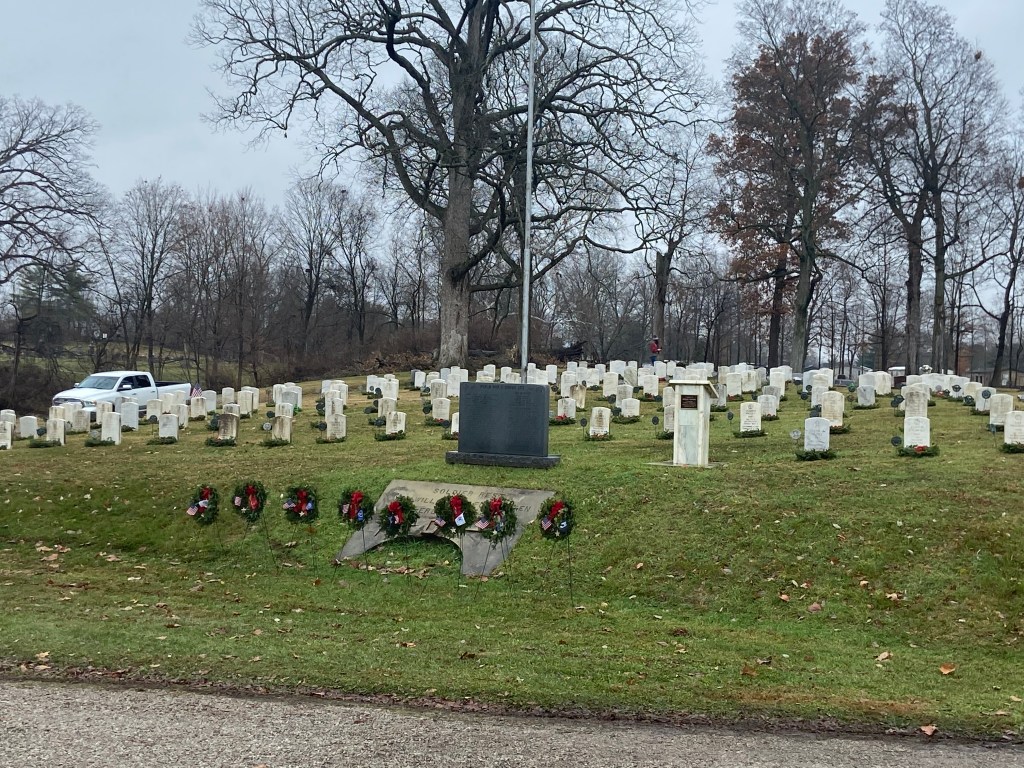
Camp Charlotte supports Forest Cemetery by placing about 1,400 wreathes on the graves of those who have served.
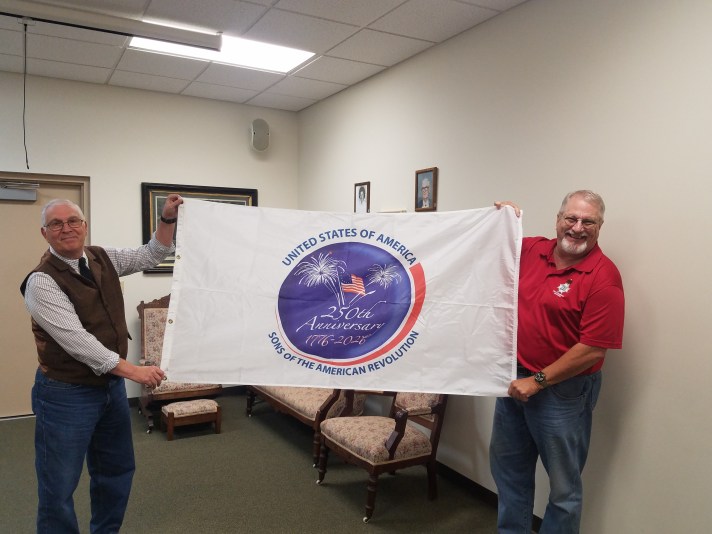
A new member of the Camp Charlotte SAR compatriot Max Demp has graciously donated the SAR 250th flag to the Camp Charlotte chapter. This flag will be present in all our upcoming events and ceremonies including celebrations of our countries 250th birthday but also the 250th commemoration of the Camp Charlotte treaty in 2024. Here is current chapter president Richard Hartinger accepting the gift from compatriot Max Demp
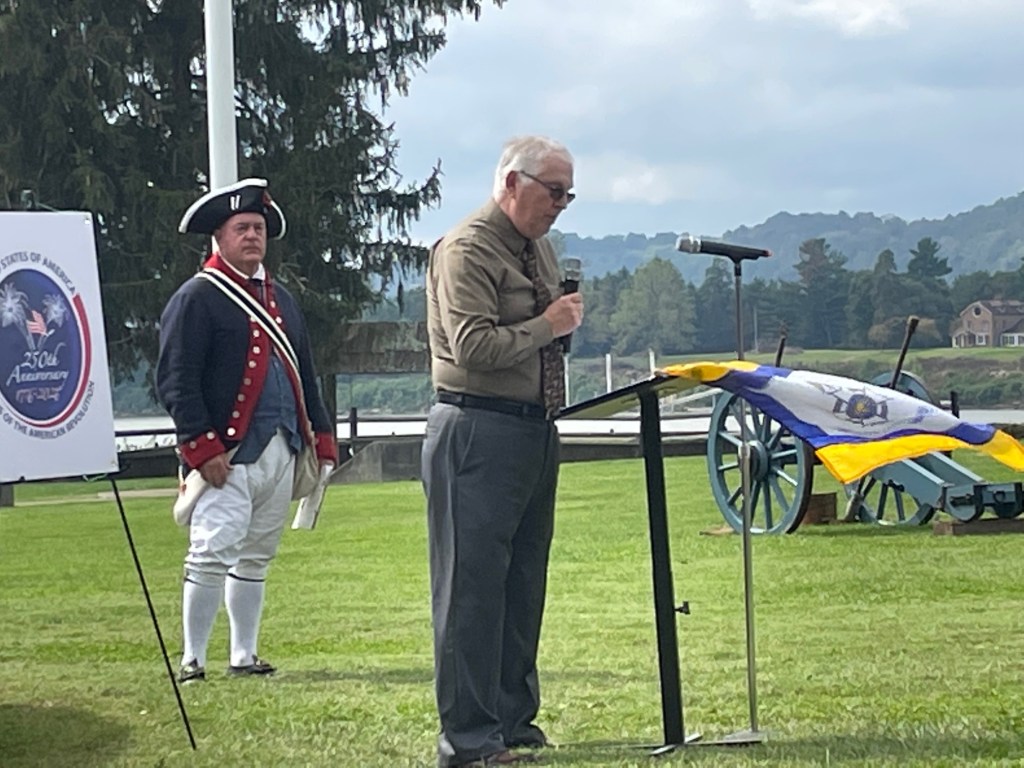
Rick Hartinger was invited to give his presentation on Camp Charlotte at Battle Days 2021. Below is a description of how the Battle at modern day Point Pleasant lead to the treaty of Camp Charlotte, located on the Pickaway Plains.
Rick Hartinger speaking a Tu-Endie-Wei State park West Virginia
Colonel Andrew Lewis, in command of about 1,000 men, was part of a planned two-pronged Virginian invasion of the Ohio Valley. As Lewis’s force made its way down the Kanawha River, guided by pioneering hunter/trapper Matthew Arbuckle Sr.,, Lewis anticipated linking up with another force commanded by Lord Dunmore, who was marching west from Fort Pitt, then known as Fort Dunmore. Dunmore’s plan was to march into the Ohio Valley and force the indigenous inhabitants to accept Ohio River boundary which had been negotiated with the Iroquois in the 1768 Treaty of Fort Stanwix.
The Shawnee, however, had not been consulted in the treaty and many were not willing to surrender their lands south of the Ohio River without a fight. Officials of the British Indian Department, led by Sir William Johnson until his death in July 1774, worked to diplomatically isolate the Shawnee from their neighbors. As a result, when the war began, the Shawnees had few allies other than some Mingos.
Cornstalk, the Shawnee leader, moved to intercept Lewis’s army, hoping to prevent the Virginians from joining forces. Estimates of the size of Cornstalk’s force have varied, but scholars now believe Cornstalk was probably outnumbered at least 2 to 1, having between 300 and 500 warriors. Future Shawnee leader Blue Jacket probably took part in this battle.
Cornstalk’s forces attacked Lewis’s camp where the Kanawha River joins the Ohio River, hoping to trap him along a bluff. The battle lasted for hours and the fighting eventually became hand-to-hand. Cornstalk’s voice was reportedly heard over the din of the battle, urging his warriors to “be strong.” Lewis sent several companies along the Kanawha and up a nearby creek to attack the warriors from the rear, which reduced the intensity of the Shawnee offensive. Captain George Mathews was credited with a flanking maneuver that initiated Cornstalk’s retreat. At nightfall, the Shawnees quietly withdrew back across the Ohio. The Virginians had held their ground, and thus are considered to have won.
The Virginians lost about 75 killed and 140 wounded. The Shawnee’s losses could not be determined, since they carried away their wounded and threw many of the dead into the river. The next morning, Colonel Christian, who had arrived shortly after the battle, marched his men over the battlefield. They found twenty-one dead warriors in the open, and twelve more were discovered hastily covered with brush and old logs. Among those killed was Pucksinwah, the father of Tecumseh.
The Battle of Point Pleasant forced Cornstalk to make peace in the Treaty of Camp Charlotte, ceding to Virginia the Shawnee claims to all lands south of the Ohio River (today’s states of Kentucky and West Virginia). The Shawnee were also obligated in the Treaty of Camp Charlotte to return all white captives and stop attacking barges of immigrants traveling on the Ohio River.
In April 1775, before many of the Virginians had even returned home from Dunmore’s War, the battles of Lexington and Concord took place in Massachusetts. The American Revolution had begun and Lord Dunmore led the British war effort in Virginia. By the end of that year, the same militiamen who had fought at Point Pleasant managed to drive Lord Dunmore and the British troops supporting him out of Virginia.
Before his expulsion, Dunmore had sought to gain indigenous allies, including the Shawnee the militia had defeated at Point Pleasant. Many Virginians suspected he had collaborated with the Shawnee from the beginning. They claimed Dunmore had intentionally isolated the militia under Andrew Lewis, meaning for the Shawnee to destroy them before the Royal Army troops arrived. Dunmore hoped to eliminate the militia in case a rebellion did break out. However, there is no evidence to support this theory and it is generally discounted.
On February 21, 1908, the United States Senate passed Bill Number 160 to erect a monument commemorating the Battle of Point Pleasant. It cites Point Pleasant as a “battle of the Revolution”. The bill failed in the House of Representatives.
Nevertheless, the Battle of Point Pleasant is honored as the first engagement of the American Revolution during “Battle Days”, an annual festival in modern Point Pleasant, now a city in West Virginia.
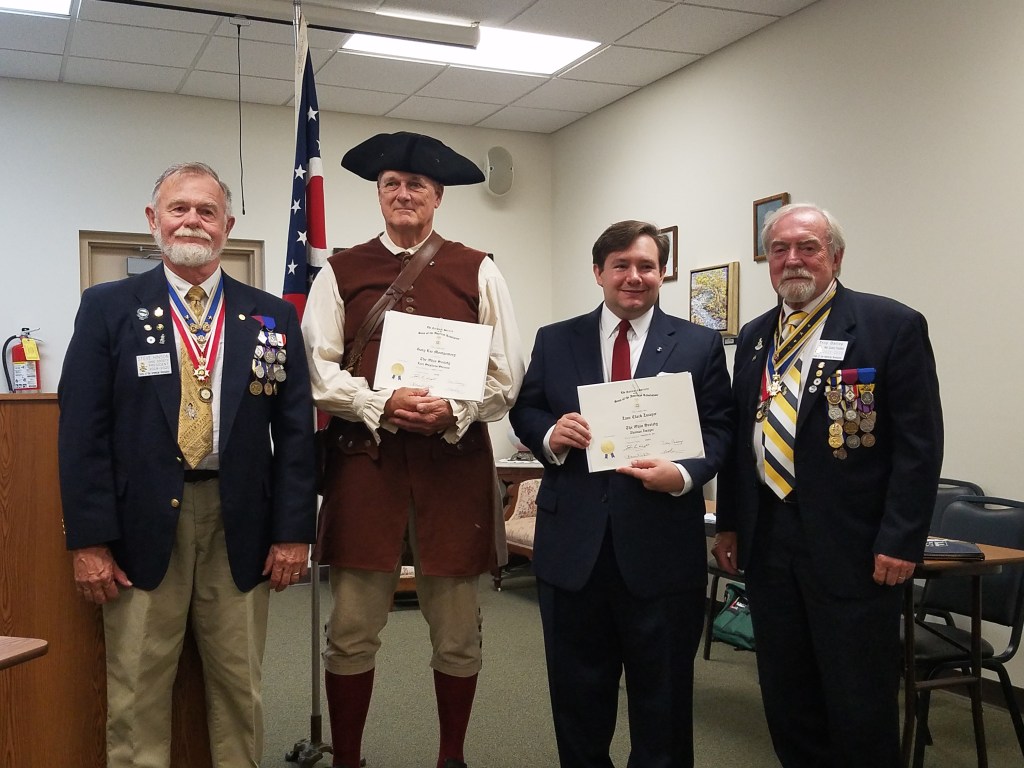
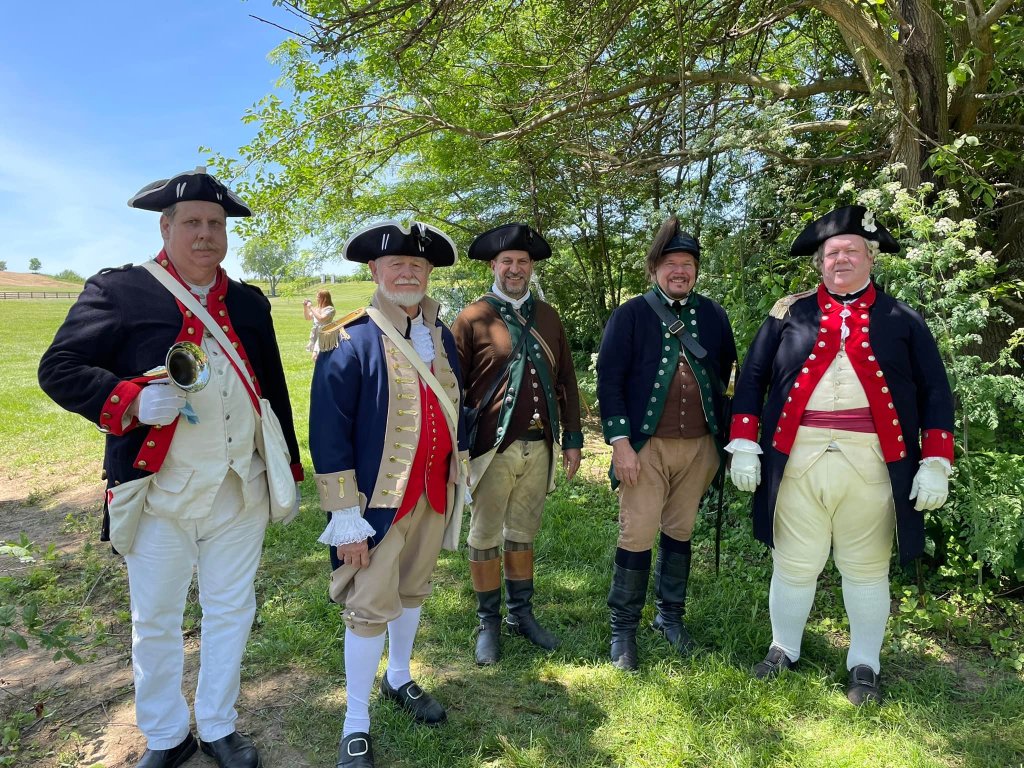
We would like to give a warm welcome to Camp Charlottes newest members, Gary Montgomery and Zane Zwayer They were inducted on Tuesday the 28th of September and pinned by special guests OHSSAR President Troy Bailey and current trustee and 2019 President Steve Hinson. They were sworn in my camp Charlotte President Rick Hartinger.
It’s Again, Wreaths Across America Time. Join us in sponsoring The National Wreaths across America December 18, 2021 The Camp Charlotte Chapter #41 will be accepting donations and purchase orders for Veteran Grave Wreaths. Wreaths are $15.00 each. More at: https://campcharlottesar.org/ Email: campcharlottechaptersar@gmail.com Contact us at: 740.477.1072 R. Lear, Treasurer Camp Charlotte Chapter SAR
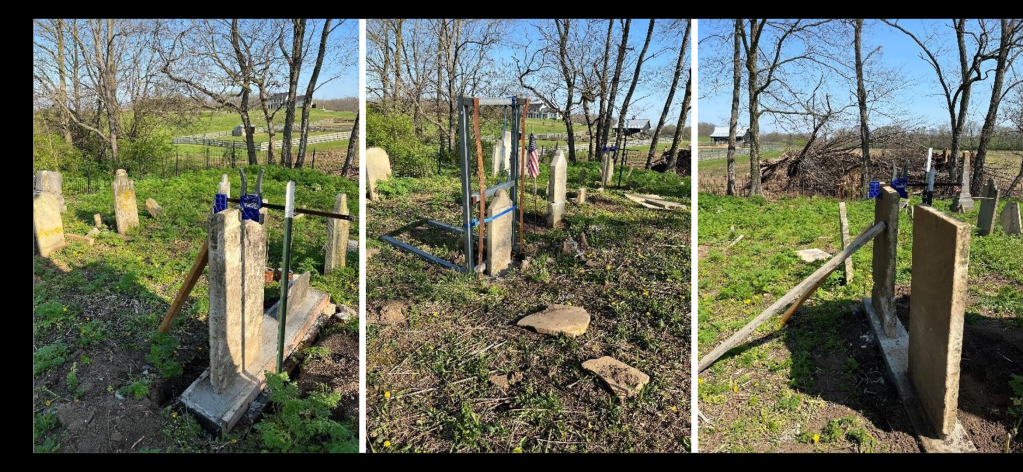
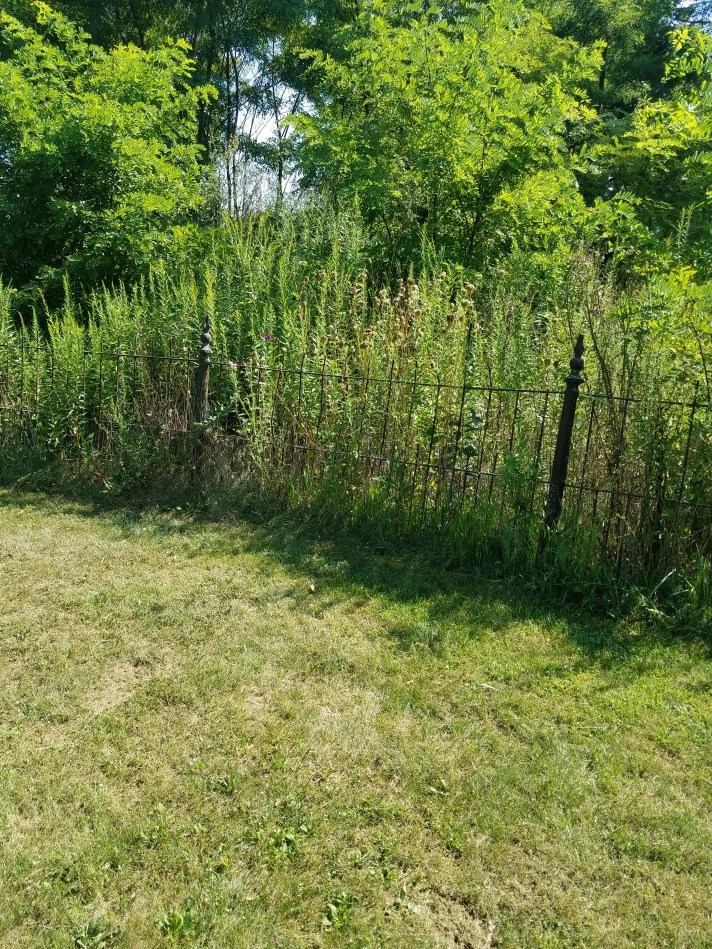
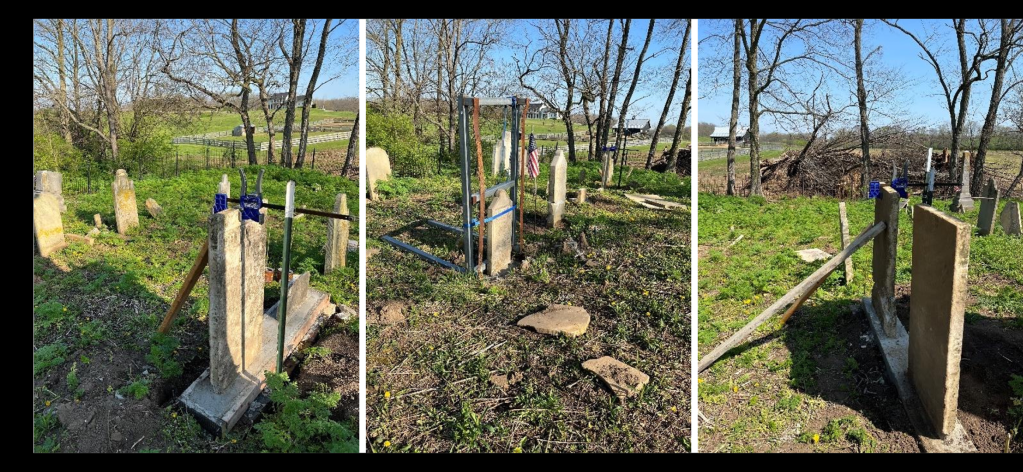
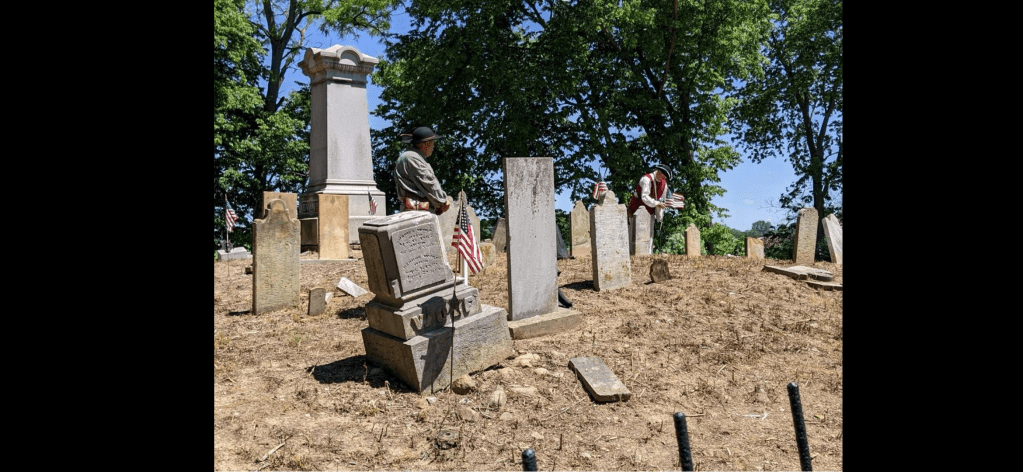
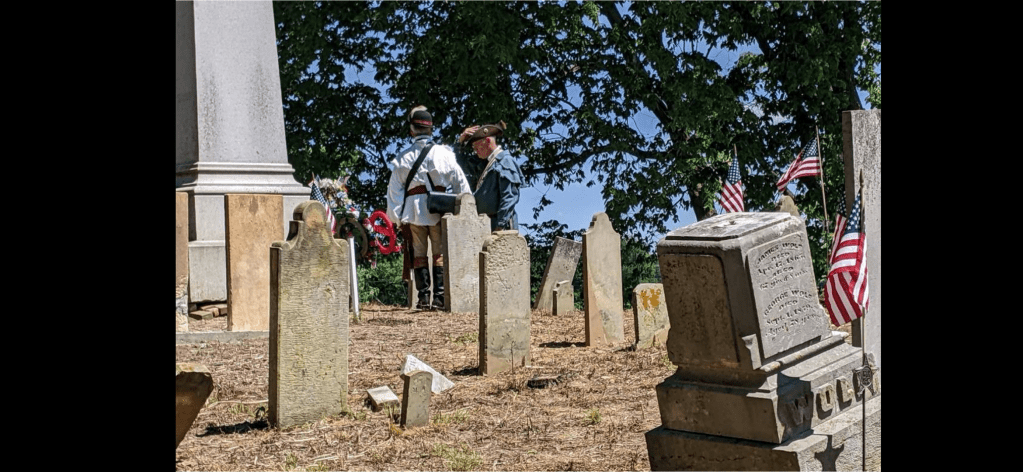
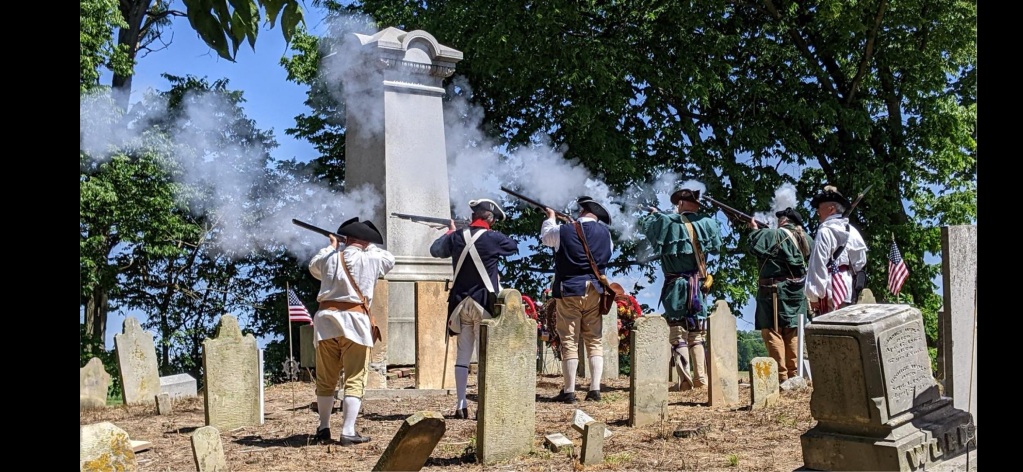
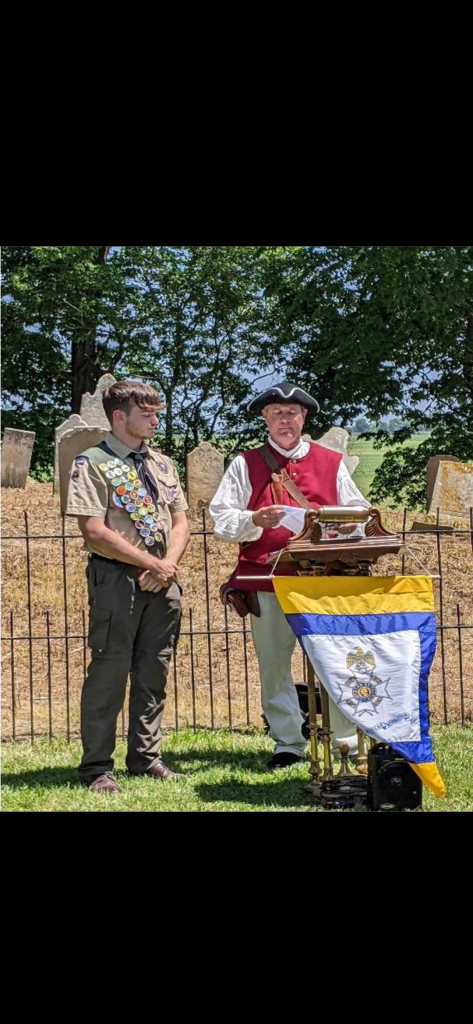
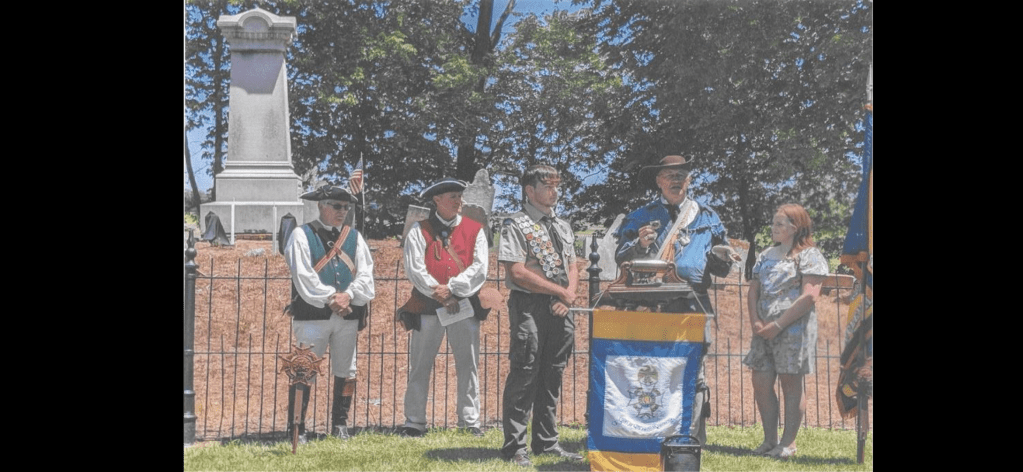
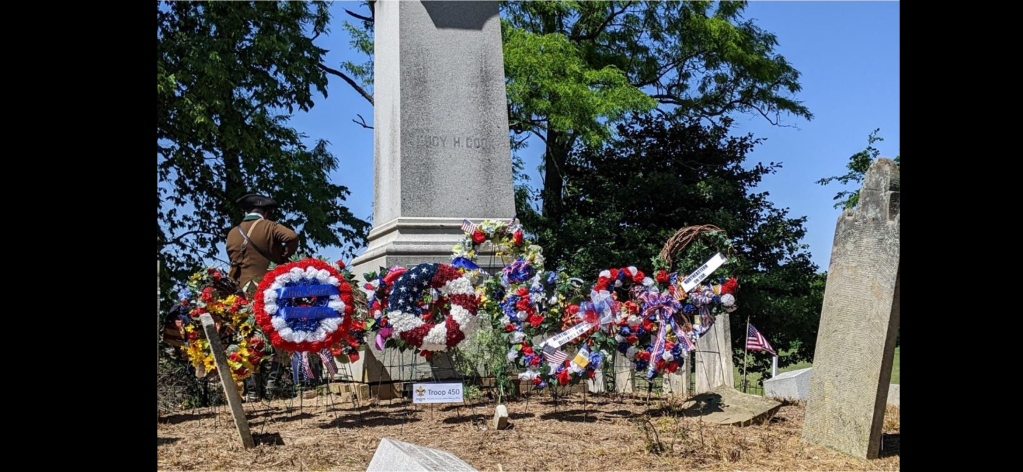
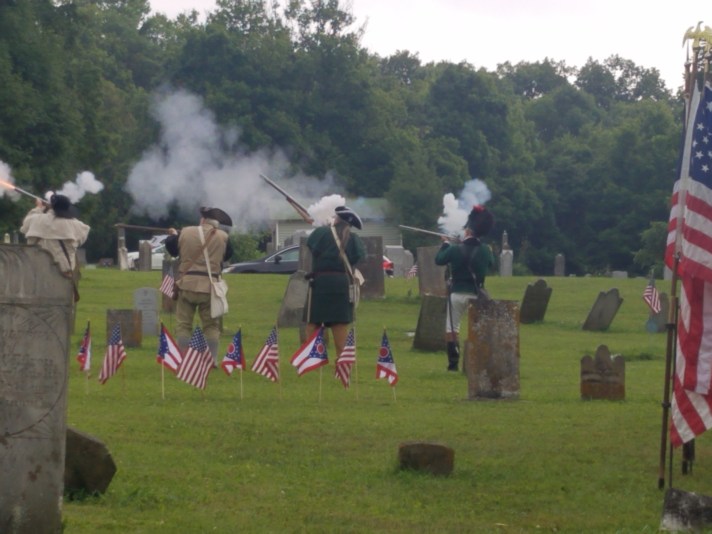
A descendant from The State of Arizona of Revolutionary War patriot John Boggs Sr. wishes to have the Camp Charlotte Chapter of the OHSSAR conduct a grave marking ceremony of the behalf of his ancestor and other patriots buried at the cemetery. The cemetery has been clearly neglected for a number years and our chapter will be dedicated to returning it to a state that it should be in. We are currently working with a Scout from a Troop in Chillicothe who is currently working on conducting this cleanup as an Eagle Scout Project.
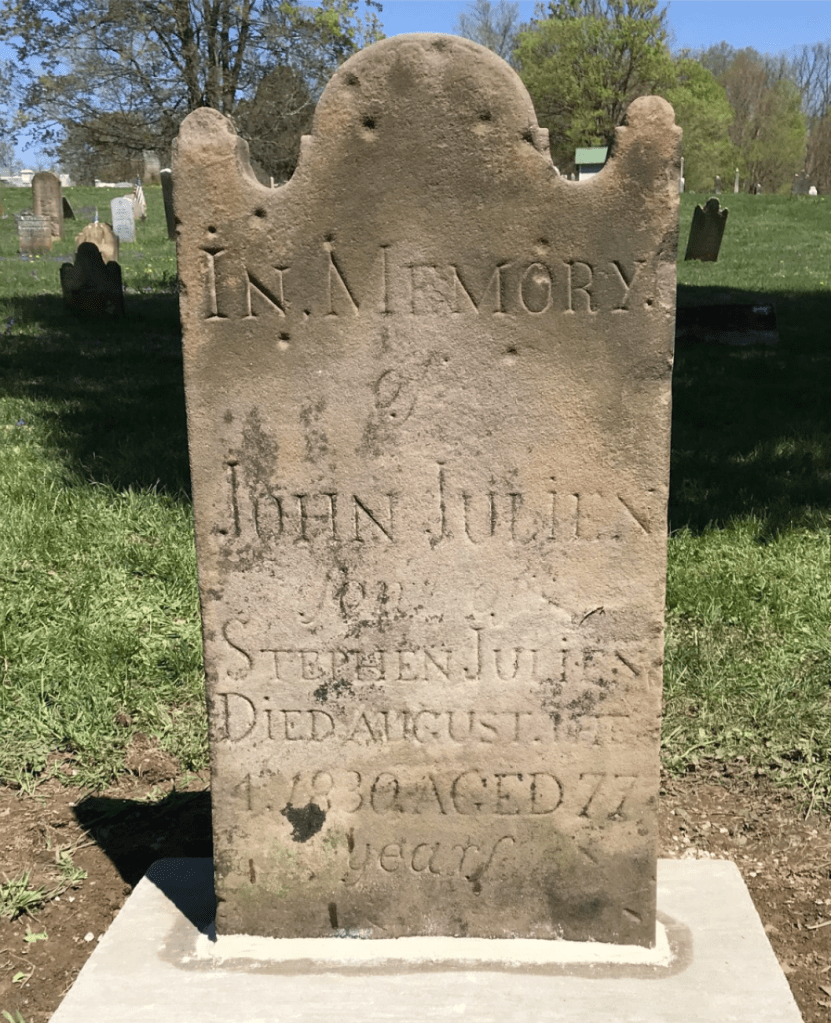
h/o Elizabeth Butler, married 14 Jun 1770, Frederick Co., MD. Marriage record lists his father as Stephen Julian.
Note: See Fairfield Trace, Fall 1990: John served as a private in the Rev. War at Basking Ridge, east NJ, March 1777, with the 33rd Battalion of the Maryland militia, under command of Charles BEATTY, and in the 4th Co. under Capt. Stulle.
By 1806 John was in Clearcreek Twp. John Julian purchased Congressional Lands on 15 Oct 1811, Range 20, Twp. 11, Sec. 2, the north half (320 acres) of Sec. 2, Saltcreek Twp. (borders Clearcreek Twp., Fairfield Co.) and is listed in the book, Entrymen East of Scioto River in Ohio River Survey of Congressional Lands. His son, Rene, had preceded him in 1801 with his young family. In 1817 sons, Stephen and William bought lots in the village of Tarlton.
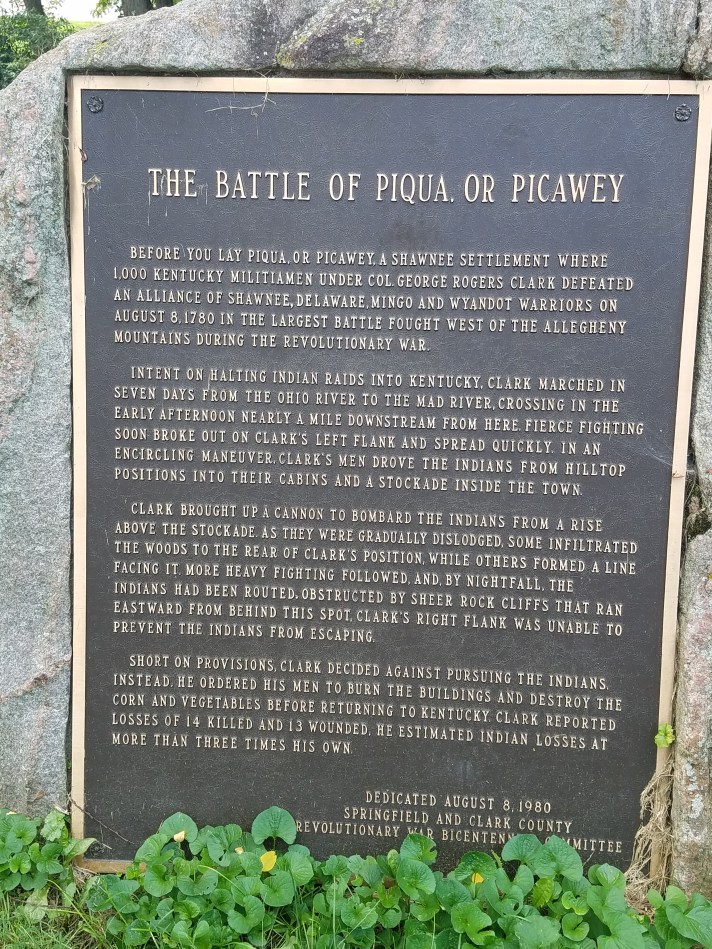
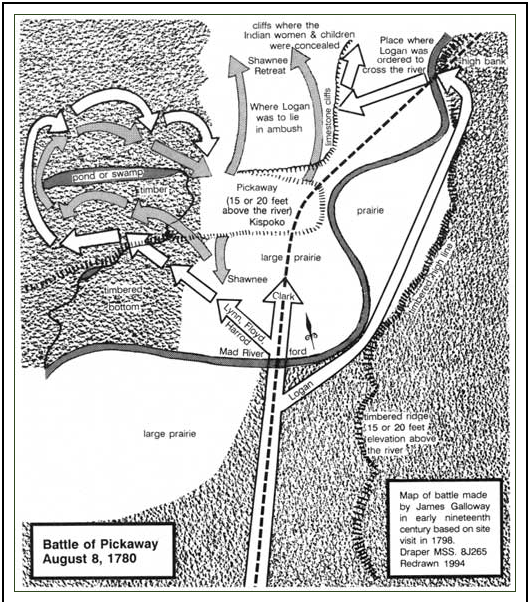
The Battle of Piqua, (aka Battle of Pekowee or Pekowi) was part of the Western Theater campaign during the Revolutionary War. Led by Brigadier General George Rogers Clark, over 1,000 soldiers (among them Daniel Boone and Simon Kenton) crossed the Ohio River near present-day Cincinnati and burned five Shawnee villages, including Old Chillicothe, along the Little Miami River. Peter Loramie’s Store, a British trading post-located in what was later Fort Loramie, Ohio in Shelby County, Ohio, was also burned by Clark’s men.
The Shawnee gradually withdrew during the first few days before finally engaging American forces 7 miles west of Springfield, Ohio on August 8. Joseph Rogers, a cousin of George Rogers Clark, had previously accompanied him to Kentucky and was later captured by the Shawnee near Maysville. Despite having been adopted by the tribe, he was killed during the battle while trying to join American forces.
After several hours of fighting, both sides suffered moderate casualties before scattering the small Shawnee rearguard. The campaign against the Shawnee in the Miami River Valley was intended to discourage further raids against Kentucky and other parts of the American frontier, and while no further raids were made by the Shawnee for the remainder of the American Revolutionary War, hostility greatly increased among the tribes living in the Ohio Country for years afterwards.
The battle was the only major engagement fought in Ohio during the Revolutionary War.



 Camp Charlotte Chapter #41-Sons of the American Revolution